At 31, Dalton’s cough was called post-viral.
It was stage 4 lung cancer.
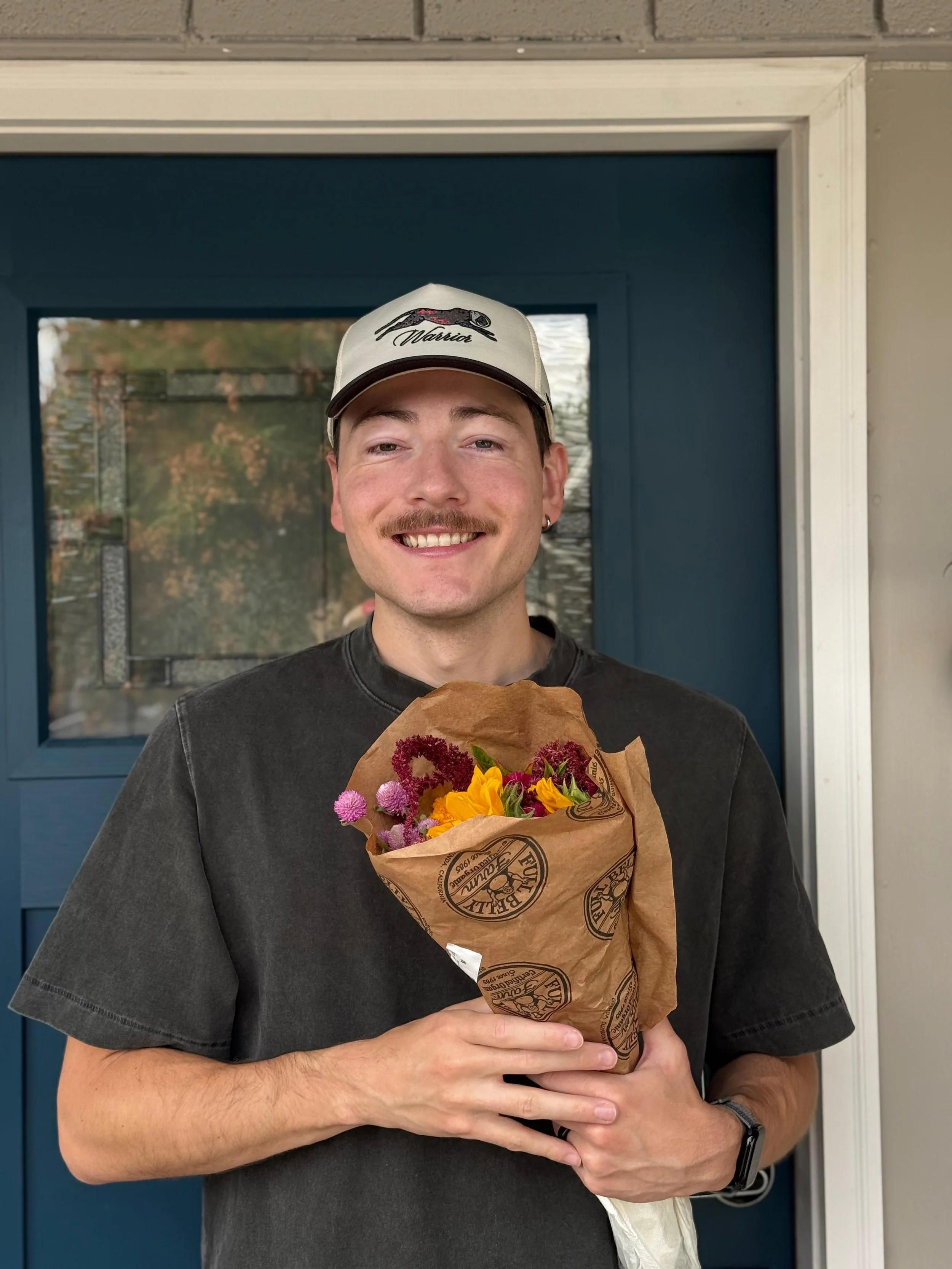
Dalton was 31 and training for a marathon when a lingering cough turned out to be stage 4 ALK-positive lung cancer. For weeks, speaking triggered such painful coughing that he communicated through an app. Then came a blood test result that opened up another treatment option—and a morning his husband Dustin will never forget.
Dalton was sure 2026 was going to be his year.
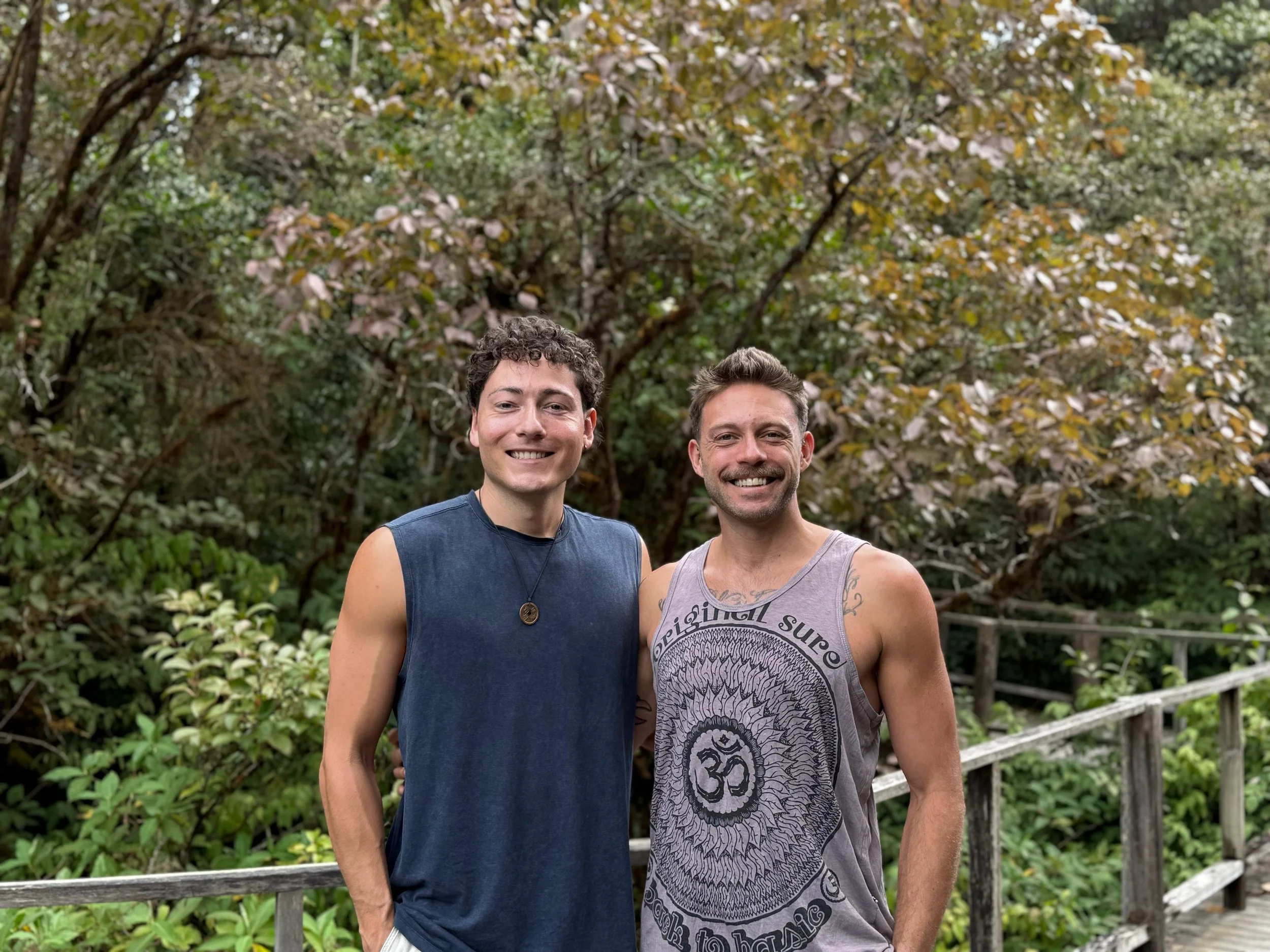
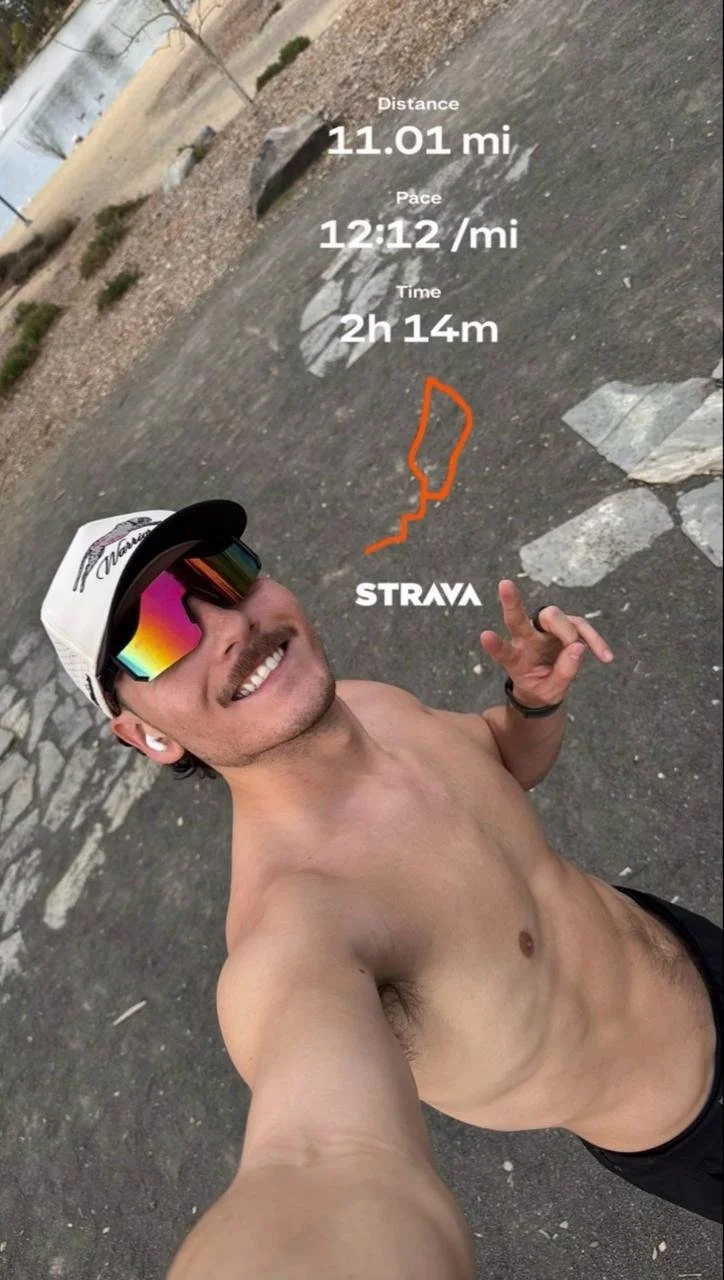
He was 31, living in Reno, Nevada, with his husband, Dustin, and training for the San Francisco Marathon. He was on track for a promotion at work. The couple were talking about buying a house and starting a second Airbnb. "I was probably the fittest I had been in my entire life," he says.
Not even New Year's Eve spent in bed could dent the plan. A winter virus had floored them both, and by 8pm Dalton was shivering with cold sweats, but they had just written down their goals for the year. "I told myself, 2026 is going to be my year."
The virus passed. A small, dry cough stayed behind. It came when he talked a lot, or after a meal, and he was sure it would clear on its own.
By July, the cough had a name: stage 4 lung cancer.
A cough that would not go away
In mid-February, six weeks after the cough began, Dalton saw his doctor. She said it was a post-viral cough, the kind that can linger after an infection, and suggested gargling salt water and taking antacids. Neither helped, but he still thought it would clear by itself. "Looking back, I should have pushed a little bit harder," he says.
In late May, on a work trip, he woke with pain in his neck and a lump about the size and firmness of the bone at his wrist. It was a swollen lymph node.
A chest X-ray came back clear. An ultrasound found more swollen nodes deeper in his neck. At night, his Oura ring, a sleep tracker, began flagging low-grade fevers. His resting heart rate, usually in the mid-50s, climbed until it would not drop below 70. Then came drenching night sweats that had him reaching for towels in the small hours.
In late June, a CT scan found a mass in his left lung roughly the size of a business card. Even then, no one used the words lung cancer. The doctors talked about lymphoma, a cancer of the lymph system which, they told him, is often very treatable.
An operation on the spot

Then things moved quickly. An oncology coordinator found him an appointment with a thoracic surgeon that same afternoon. The surgeon wanted to remove the two largest lymph nodes in his neck for a biopsy, so the tissue could be examined under a microscope. He wanted to do it there and then, at the bedside.
Dalton hesitated, but only for a moment.
"I just thought, if this is cancer, I'm going to have to make a lot of hard decisions that are probably going to be a lot harder than getting a lymph node out right now."
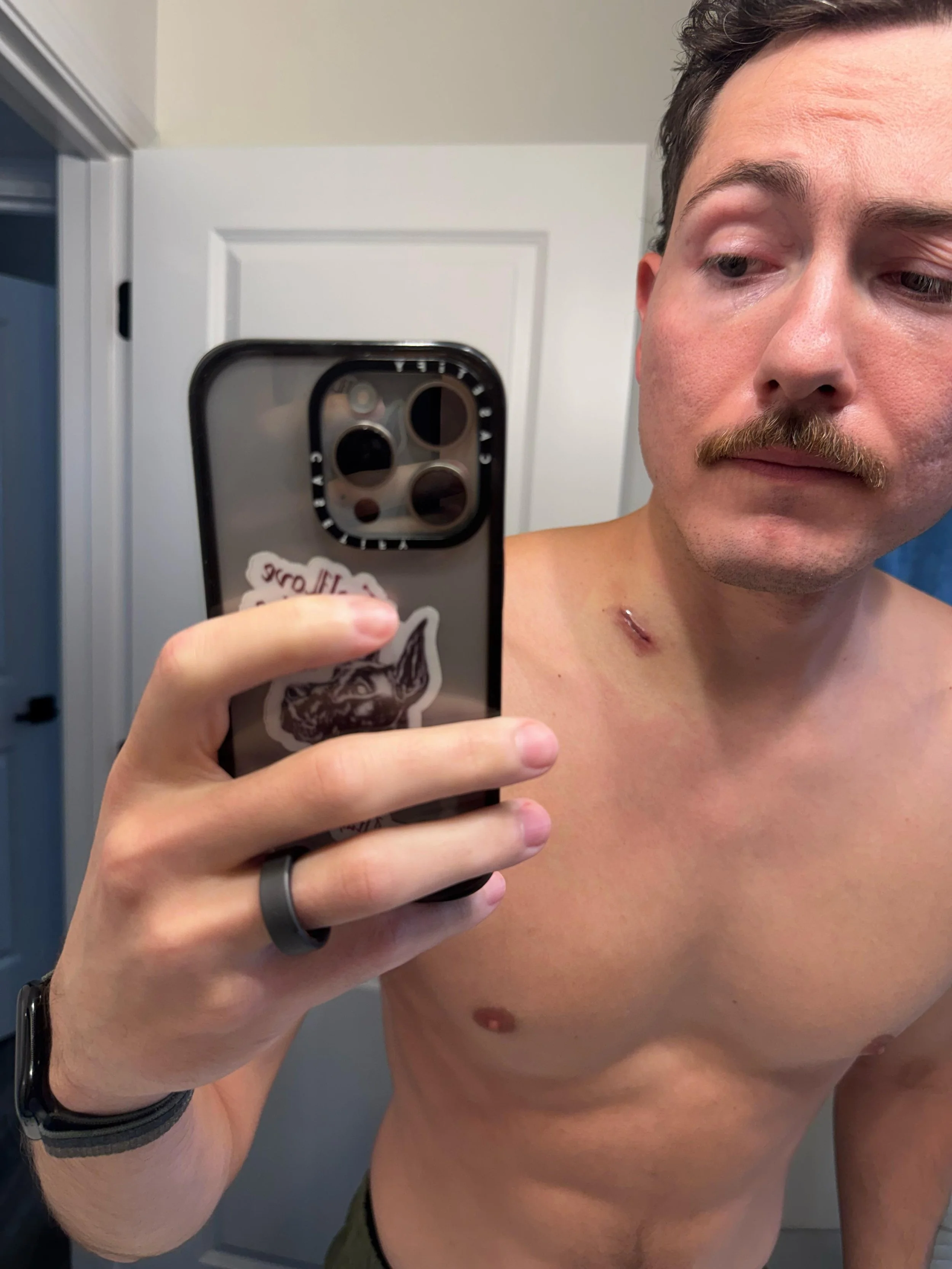
He stayed awake under local anaesthetic while the surgeon made an inch-long cut in his neck. Dustin watched and took photos. When the surgeon showed Dalton the lymph nodes, it became real. "They looked so grotesque and so wrong," he says.
On Friday 3 July, the surgeon rang. "I have some bad news, Dalton. It is lung cancer."
"Of all the cancers, lung cancer," Dalton says. "It just seemed like, no, that couldn't be me."
It was the start of the Fourth of July holiday weekend, and nothing could happen until Monday. He and Dustin searched online and found only frightening statistics. "Up until that point, I had no idea about genetic markers or genetic testing," he says.
Of all the cancers, lung cancer. It just seemed like, no, that couldn’t be me.Dalton
Three letters on a whiteboard
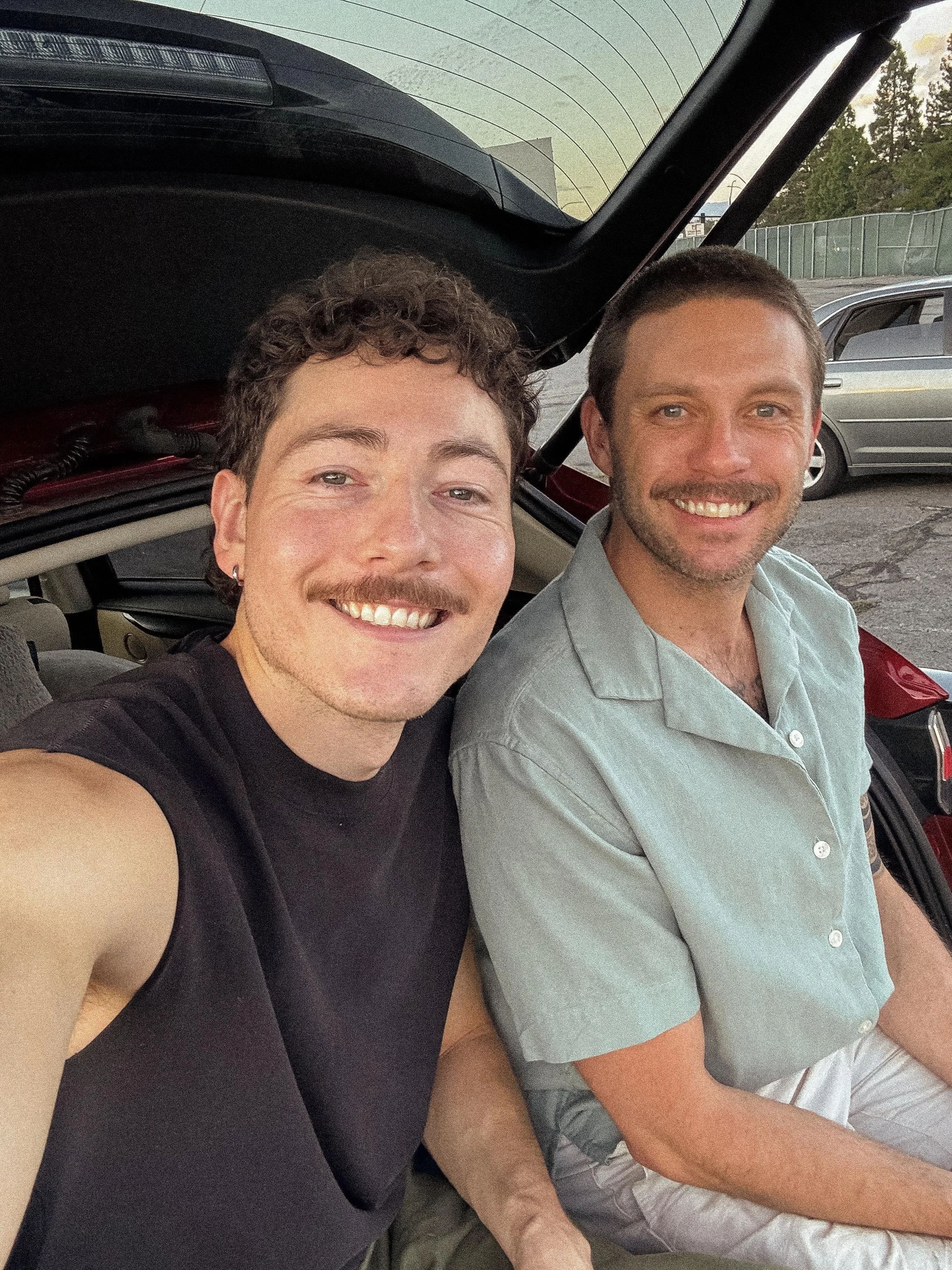
On the Monday, his oncologist ordered a PET scan, a brain MRI and a blood test known as a liquid biopsy, which looks for tiny fragments of tumour DNA in the blood. It is quicker than testing tissue, she explained, but it can miss things. Not willing to wait any longer, by Wednesday, Dalton and Dustin were sitting in her office.
She divided a whiteboard into three columns. In the first, she wrote his diagnosis: non-small cell lung cancer, most likely a type called adenocarcinoma, which starts in the cells lining the airways. In the second, she wrote a single number.
"She writes a four on the board," he says. "And I'm thinking, what?"
He had convinced himself the cancer had only reached his lymph nodes. "We've all heard it: stage four, you don't go any higher," he says. "And I think we all have that image in our mind of what a stage four cancer patient looks like."
Dustin held his hand as she went through the PET scan results. It showed cancer in lymph nodes in his neck and chest, in both lungs and in an adrenal gland, one of two small glands that sit on top of the kidneys. His brain was clear.
Then she moved to the third column: treatment. Chemotherapy might give him six to twelve months, she said. Chemotherapy with immunotherapy, which helps the immune system recognise cancer, perhaps twelve to eighteen. His genetic test results were not yet back.
Then she paused. Because he was young, fit and had no history of tobacco use, she was hopeful his cancer was being driven by a genetic change that could be treated with a targeted tablet. She wrote another option on the board, and of all the possible changes, she happened to write ALK. "Probably just because it's the shortest," Dalton says. "Three letters."
People with these changes, she told him, were living many years on targeted treatment. At 31, that was hard to hear too. "Seven years isn't a long time for me," he says.
Before they left, he asked her one question. "I have to call my mum. And I said, if you were my mum, what would you want me to tell you?" She had tears in her eyes. “Tell her we don't have all the information yet, and that we're hopeful for a genetic marker,” she said.
He rang his mother from the car. "She said, baby, I'm so sorry," he says. "I think that was the hardest part: seeing how it affected the people I love."
Losing his voice
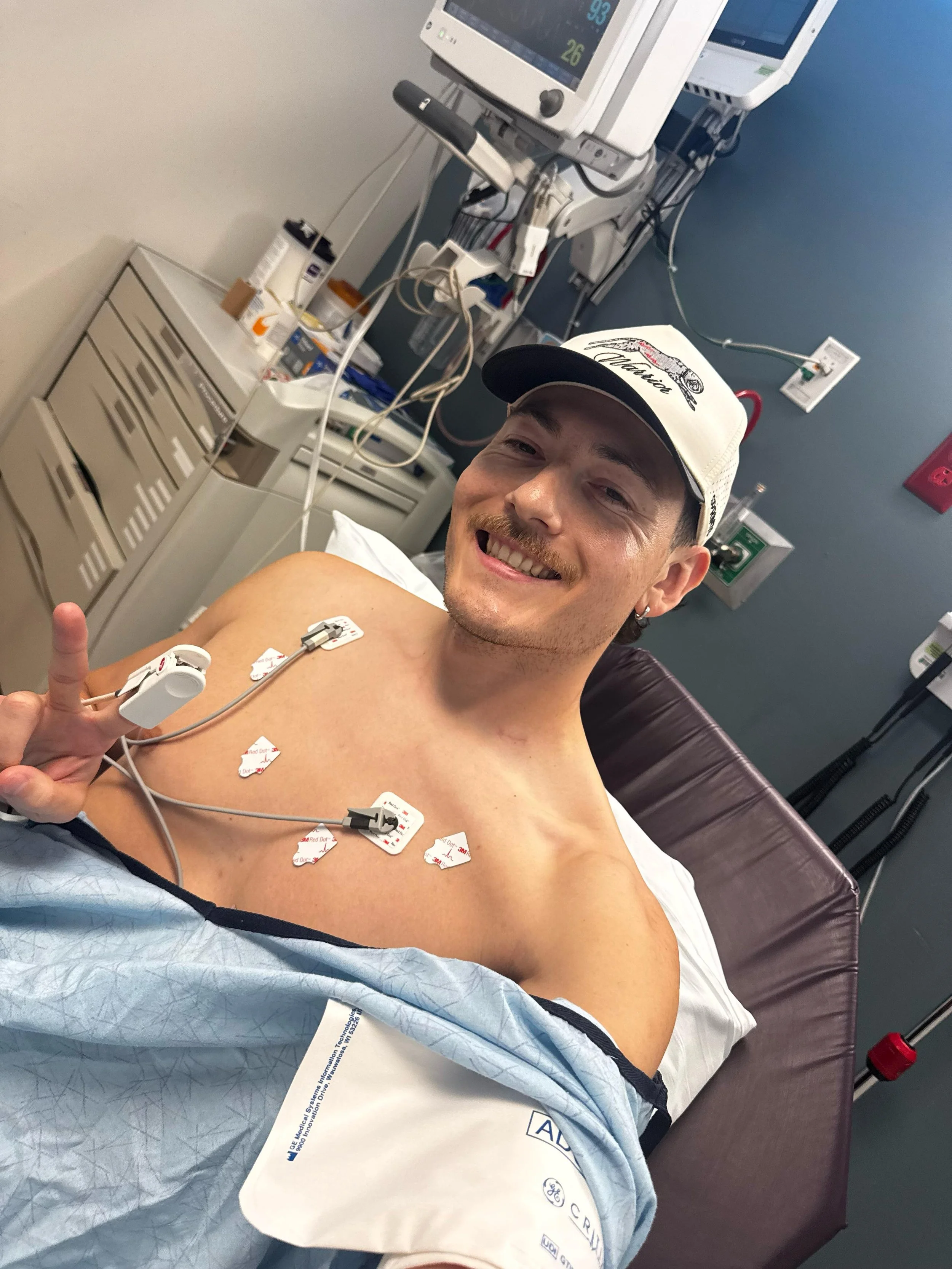
Over the following days, Dalton got rapidly worse. He coughed so hard he fractured a rib, and every cough felt like being stabbed between the ribs. The pain caused by speaking was unthinkable. So, he stopped talking. For more than two weeks he used a text-to-voice app on his phone, and slept sitting upright on a pregnancy pillow lent by a pregnant friend.
"I couldn't laugh," he says. "I couldn't cry anymore, because if I cried, I would cough."
When his parents and older brother came to see him, Dalton had written them letters, and Dustin read them aloud so the family would understand what was happening and what Dalton needed from them.
Positive for something
The following Monday, a notification appeared in his My Chart hospital app. In the US, results are often released straight to people's phones. The blood test was back. He was ALK-positive.
He and Dustin cried in bed. Dalton had stopped searching online, so he had no idea what ALK meant.
"I just thought, we're positive for something. So, let's celebrate."
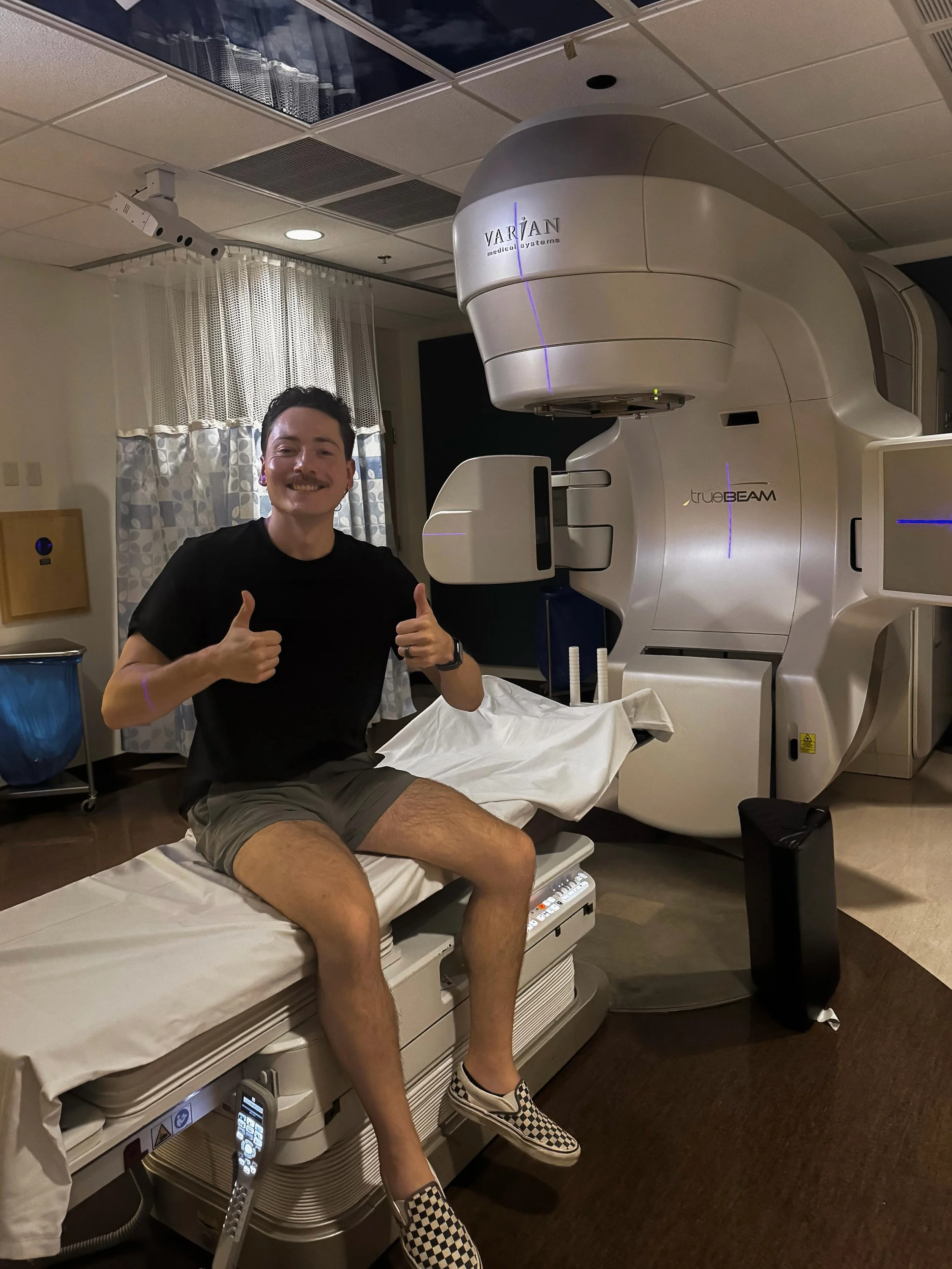
Within an hour, his oncologist was on a video call, ordering a TKI called lorlatinib. Worried by how fast he was declining, she also arranged 10 sessions of radiotherapy to his left lung. The tumour had wrapped around his oesophagus, and was blocking the airway into that lung.
The morning he could speak
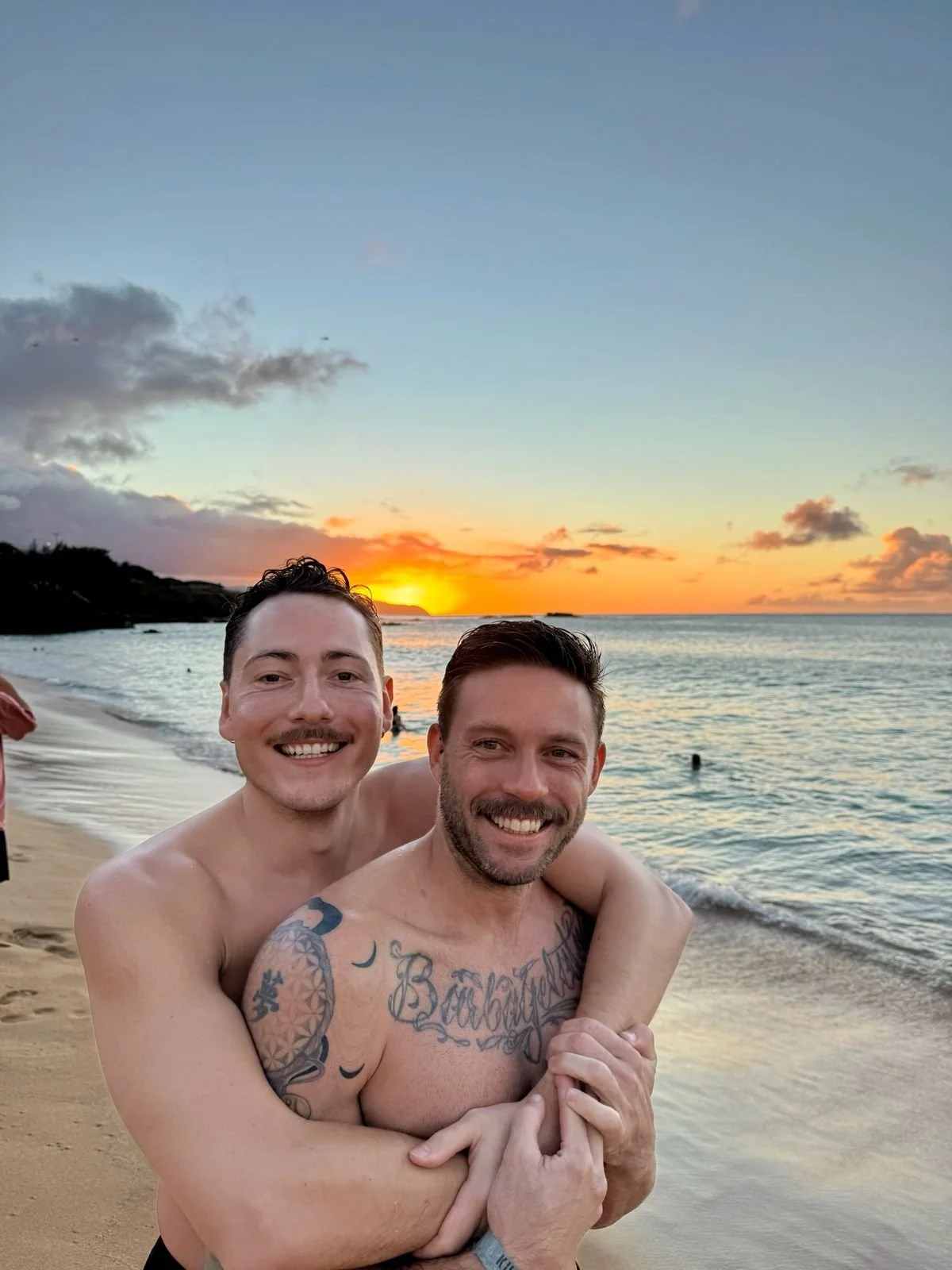
Dalton took his first lorlatinib tablet on the night of 20 July. The next morning, he woke up and could talk.
Dustin was already up. Dalton walked out and wished him good morning. "He cried when he heard my voice," Dalton says. Moving no longer set off the cough, so he put on Chris Stapleton's I Think I'm In Love With You, and the two of them danced.
The radiotherapy, which started prior to the TKI, was working too. Later scans showed the edges of the tumour breaking down and the airway into his left lung opening up again. The small things came back first: sitting in a chair without coughing, holding a conversation. "Appreciate the little things," he says.
He cried when he heard my voice.Dalton
Life on treatment
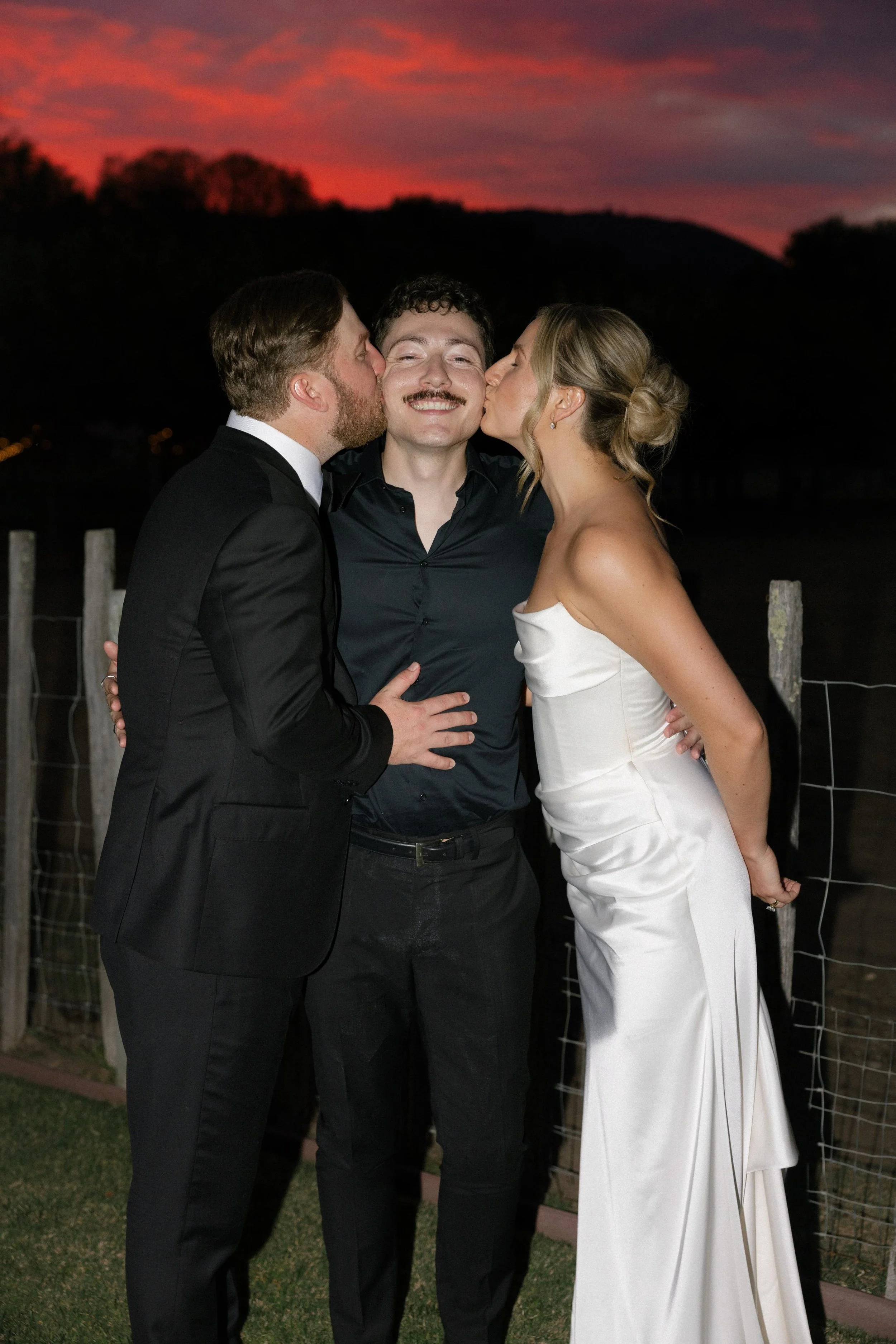
In October, three months after his first tablet, Dalton officiated his friends' wedding. When he was diagnosed in July, he had warned them he might not be well enough even to attend.
He is still healing, and his tumour is still shrinking. His care team gave him a leaflet setting out lorlatinib's possible side effects and when they usually appear, and he has had some: raised cholesterol, swollen ankles and, in the first weeks, a strange "high" about an hour after each dose that lasted around 45 minutes. Dustin thinks he has become a little more forgetful and a little more sensitive. He and his team are keeping a close eye on it all, and a lower dose is something they can discuss in future.
"Is it the medication or is it just cancer?" Dalton says. "I can't really tell yet."
Next year
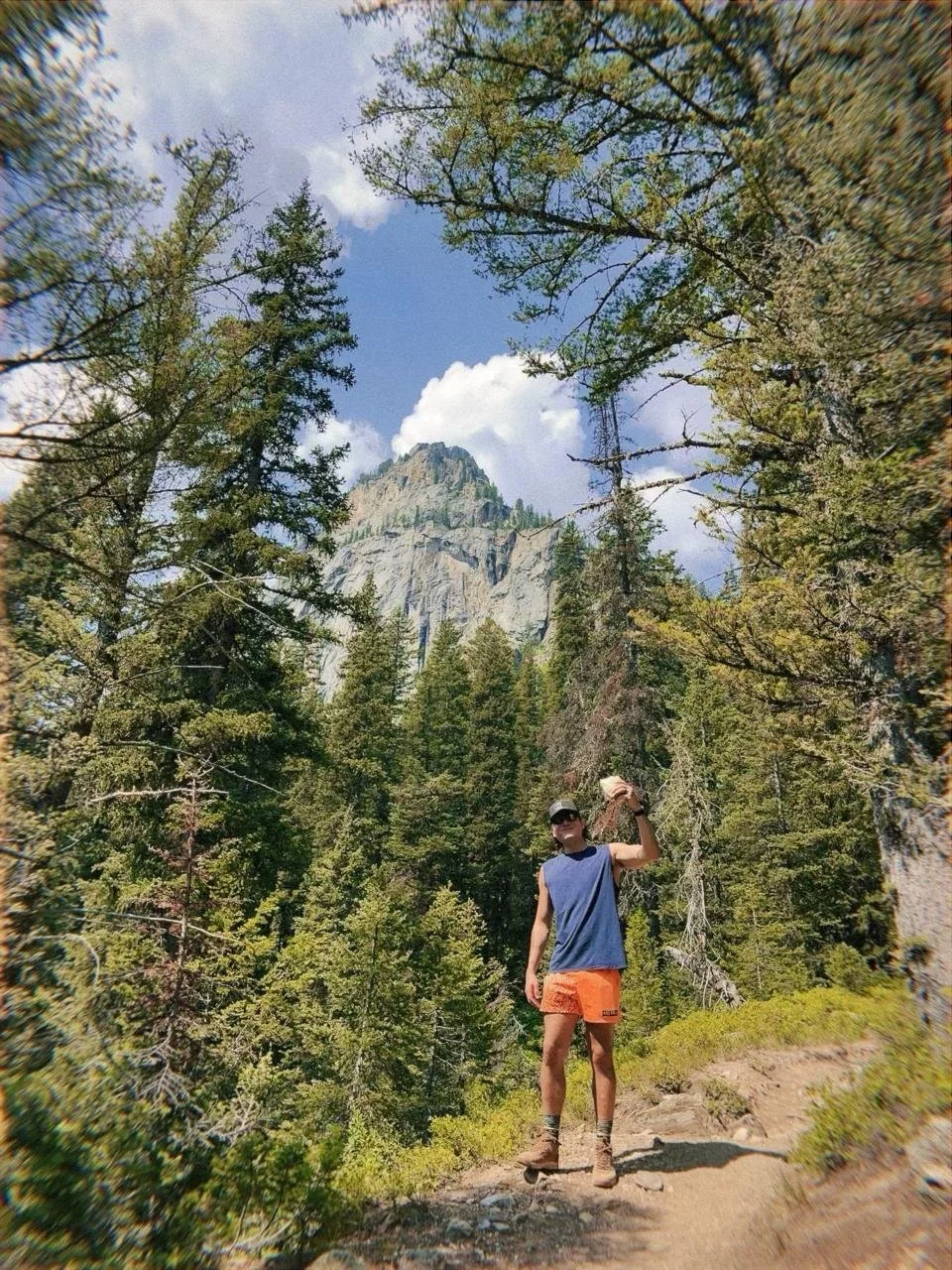
Three weeks after his diagnosis in July, Dustin came across ALK Positive and an online ALK community, and Dalton joined the 2026 ALK Positive Summit online. A session on the future of research changed how he saw what lay ahead. "To see that there are so many very intelligent, very caring and passionate people working on this was a huge source of hope," he says.
He does not pretend the diagnosis took nothing. At 31, it felt for a while as though every plan had gone. "I think it's important to feel those things, because it's a very real thing," he says. But the future he had imagined, he says, is reforming.
What helped most was finding people who had been diagnosed before him: someone his age, without children yet, living a full life with ALK-positive lung cancer. He now hopes to be that person for someone else.
On 9 November, he and Dustin celebrate their seventh anniversary. And the goals list has been rewritten. "I said 2026 was going to be my year. My timing was just off," he says. "2027 is going to be my year."
The San Francisco Marathon is still on it. "I can only imagine what running a marathon with lung cancer is going to be like," he says. "But I truly believe that I can still do it. My hopes and my dreams are just different now, but they're still possible."
My hopes and my dreams are just different now, but they’re still possible.Dalton