
Patient Voices Podcast
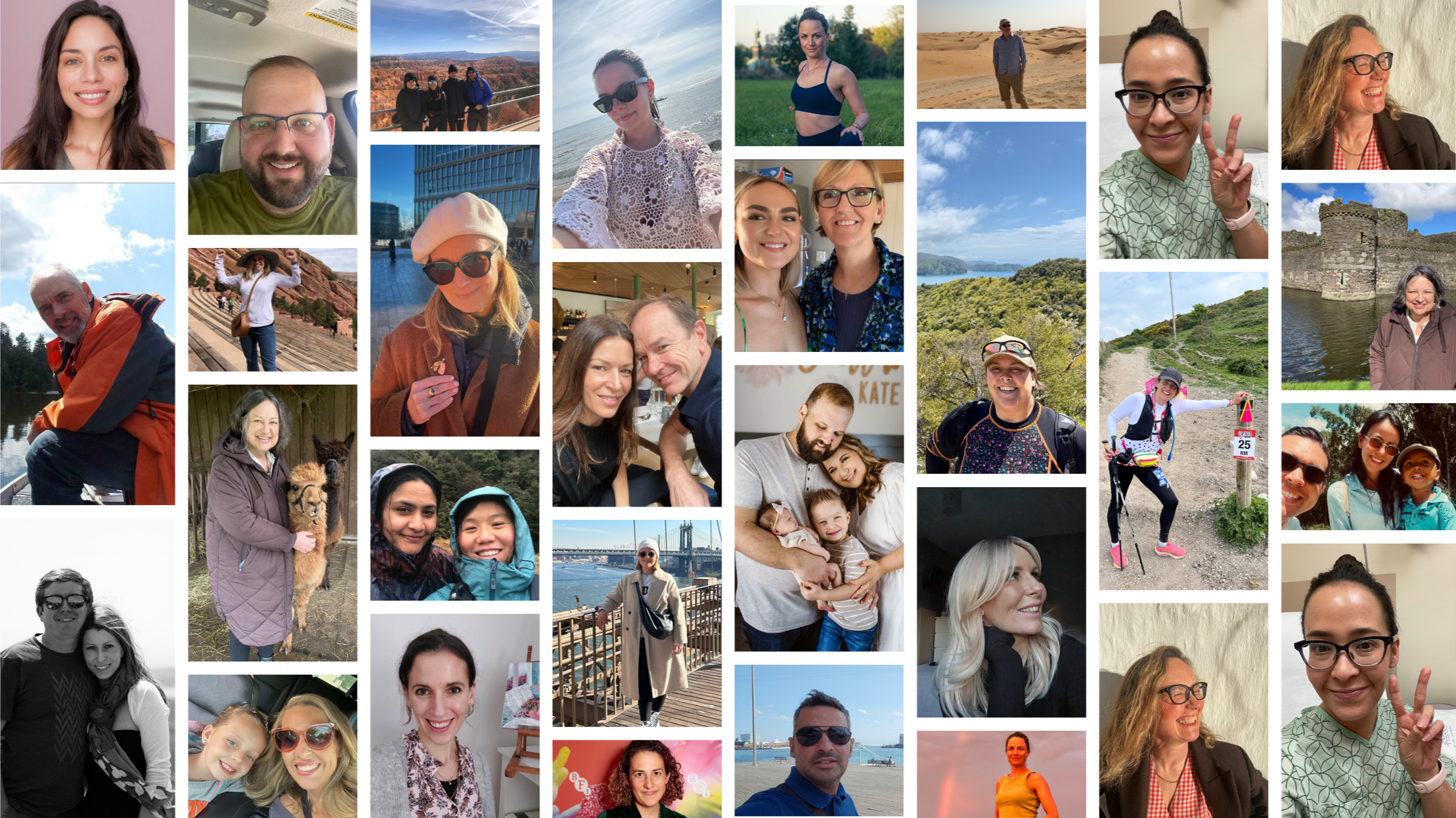
No one expects to hear the words “lung cancer” — especially not when you're young and have none of the typical risk factors. Yet when it happens, you're suddenly asked to make complex decisions at a time when you may feel vulnerable and ill-equipped.
That’s why we created The Empowerment Podcast — a series made specifically for people and loved ones navigating an oncogene-driven lung cancer diagnosis.
Whether you're trying to make sense of a new diagnosis, understand biomarker testing, be more confident in making decisions with your care team, or simply feel less alone, this series is for you. We share personal stories of resilience, clarity, and hope — and importantly help break down complicated topics and feelings, and highlight the latest research.
From navigating shared decision-making to hearing directly from those who’ve walked this path, our goal is simple: to help you feel informed, empowered, and inspired.
We may not be able to take away the diagnosis — but we can offer you something real to hold on to: knowledge, hope and the voices of a community that truly understands.
🎙 The Patient Voices Podcast.
Real stories, reliable information, and hope for those facing lung cancer.
Click on the tile below to watch the playlist or toggle to the individual episode via the drop down menu.
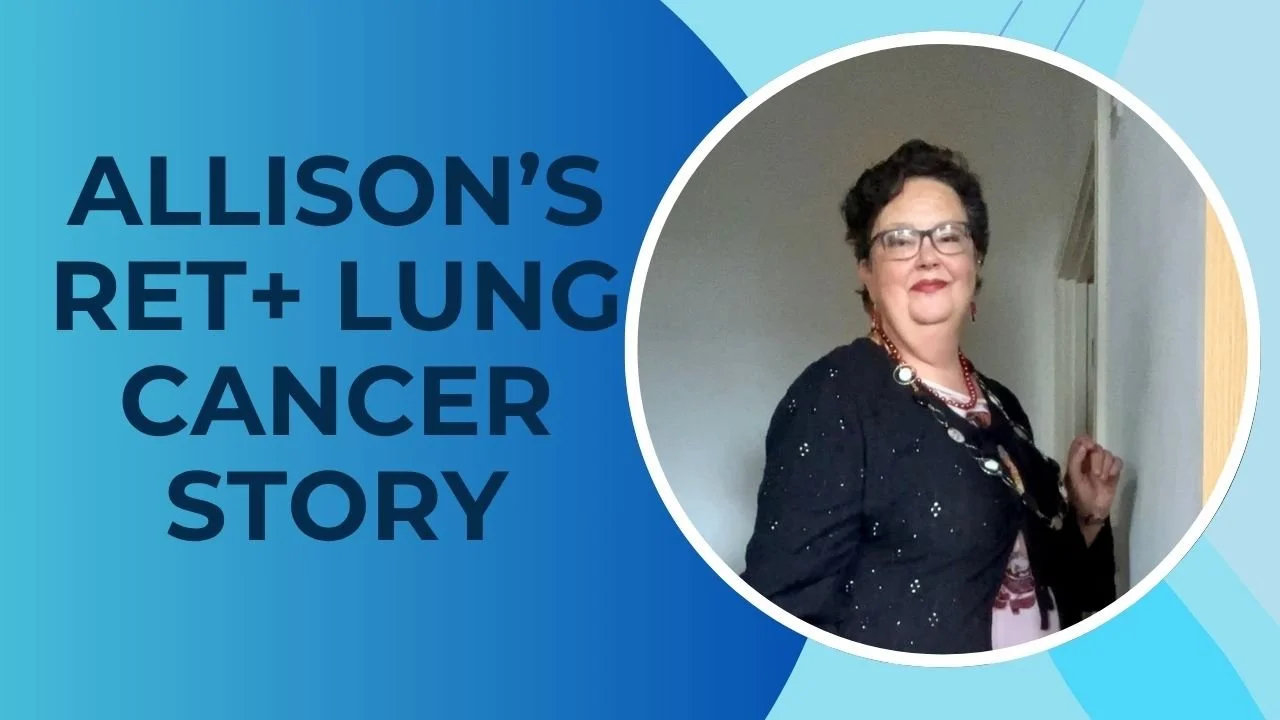
Allison, a single mum of two, was about to turn 50 when she found a lump in her breast. It was stage 2 HER2 & oestrogen receptor-positive breast cancer. But a scan revealed something else: a large shadow on her lung. Scans uncovered not one, but two additional primary cancers — bowel cancer and RET+ lung cancer.
-
Allison found a lump in her breast. Within months, she had been diagnosed with three separate cancers: breast cancer, bowel cancer and RET+ lung cancer.
She had no symptoms of lung cancer. After treatment for breast cancer, a radiotherapy planning scan unexpectedly revealed a shadow on her lung. Further investigations then uncovered bowel cancer — and eventually confirmed that the lung mass was a third, separate primary cancer.
Biomarker testing brought an important discovery: Allison’s lung cancer had a targetable RET alteration. She later started the RET-targeted therapy selpercatinib (Retevmo), which produced a dramatic response.
In this episode, Allison discusses:
• Being diagnosed with three separate primary cancers
• Breast cancer, bowel cancer and RET-positive lung cancer
• Having lung cancer with no symptoms
• How a radiotherapy planning scan uncovered her lung cancer
• Major bowel surgery and living with a permanent stoma
• RET-positive lung cancer and biomarker testing
• Selpercatinib (Retevmo) and targeted therapy
• Asking questions and advocating for yourself during cancer treatment -
Stay tuned.
-
Stay tuned for part 3
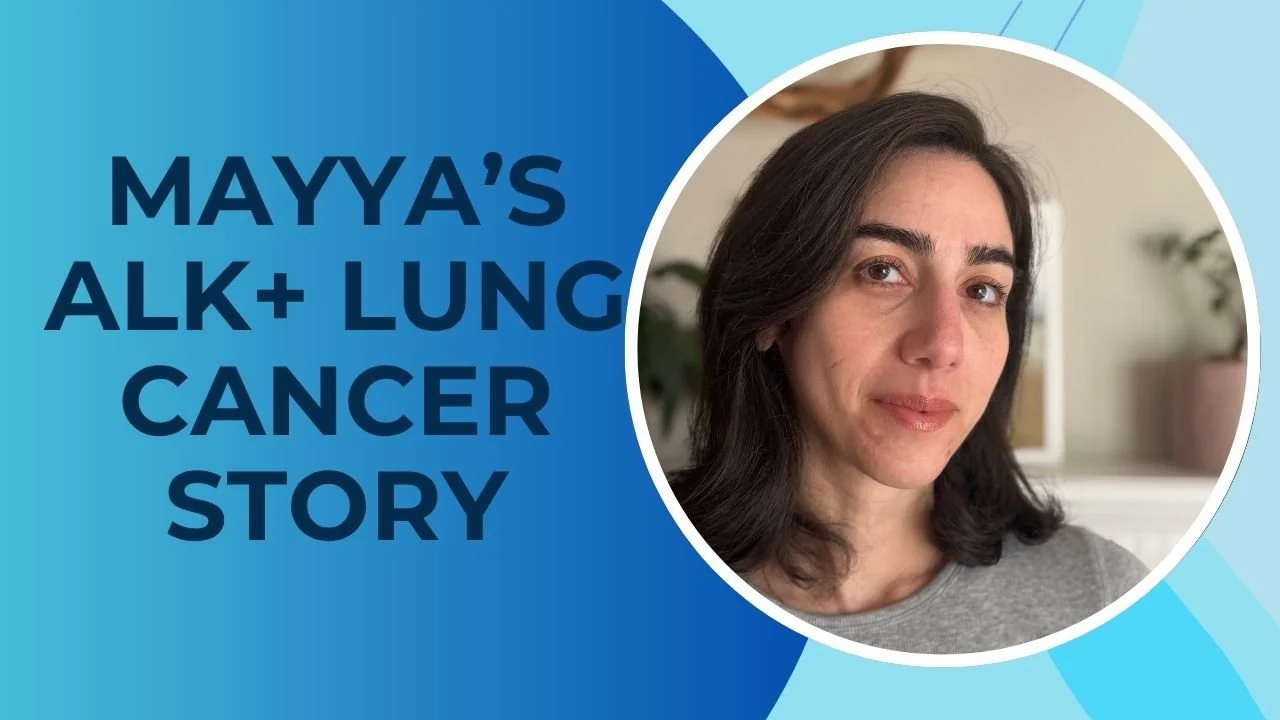
Mayya had the dream job, the dream family - everything was going to plan. Until a cough eight months after delivering her baby turned out to be stage 4 ALK+ lung cancer at 38. Mayya’s ALK lung cancer hasn’t followed the typical path. Learn how she’s been building her own path when science and medicine have no clear answers.
-
▶ Watch part 1 now
At 38 and pregnant with her second child, Mayya knew something wasn’t right. Months later, she was diagnosed with stage 4 ALK-positive lung cancer.
Her pregnancy felt different. She had no appetite, wasn’t gaining weight as expected and later developed a persistent cough. Despite being reassured that it was probably nothing, Mayya kept pushing for answers.
A CT scan eventually revealed a mass in her chest. Then, while checking MyChart, Mayya discovered the diagnosis she never expected: metastatic lung cancer. Biomarker testing would bring another life-changing result — her cancer was ALK-positive, opening the door to targeted therapy.
In this episode, Mayya discusses:
• Lung cancer during and after pregnancy
• Persistent cough and early lung cancer symptoms
• Being diagnosed with stage 4 lung cancer at 38
• Discovering her diagnosis through MyChart
• ALK-positive lung cancer
• Biomarker testing and targeted therapy
• Finding hope after a stage 4 diagnosis
• The ALK-positive patient community
-
Mayya’s response to targeted therapy for stage 4 ALK-positive lung cancer was remarkable. Her lymph nodes resolved, the cancer in her bones resolved and her oncologist told her it had “melted away.”
Then, just eight months after starting lorlatinib, everything changed.
Mayya developed unexpected systemic progression. A new biopsy and extensive biomarker testing followed as her doctors searched for an explanation — but no clear resistance mechanism was found.
In this episode, Mayya discusses:
• Starting lorlatinib for ALK-positive lung cancer
• Targeted therapy side effects and quality of life
• Near-complete response followed by early progression
• Repeat biopsy and biomarker testing after progression
• Searching for mechanisms of treatment resistance
• The importance of an ALK specialist and second opinion
• Moving from targeted therapy to chemotherapy
• Finding hope when the next step isn’t clear -
Stay tuned for part 3
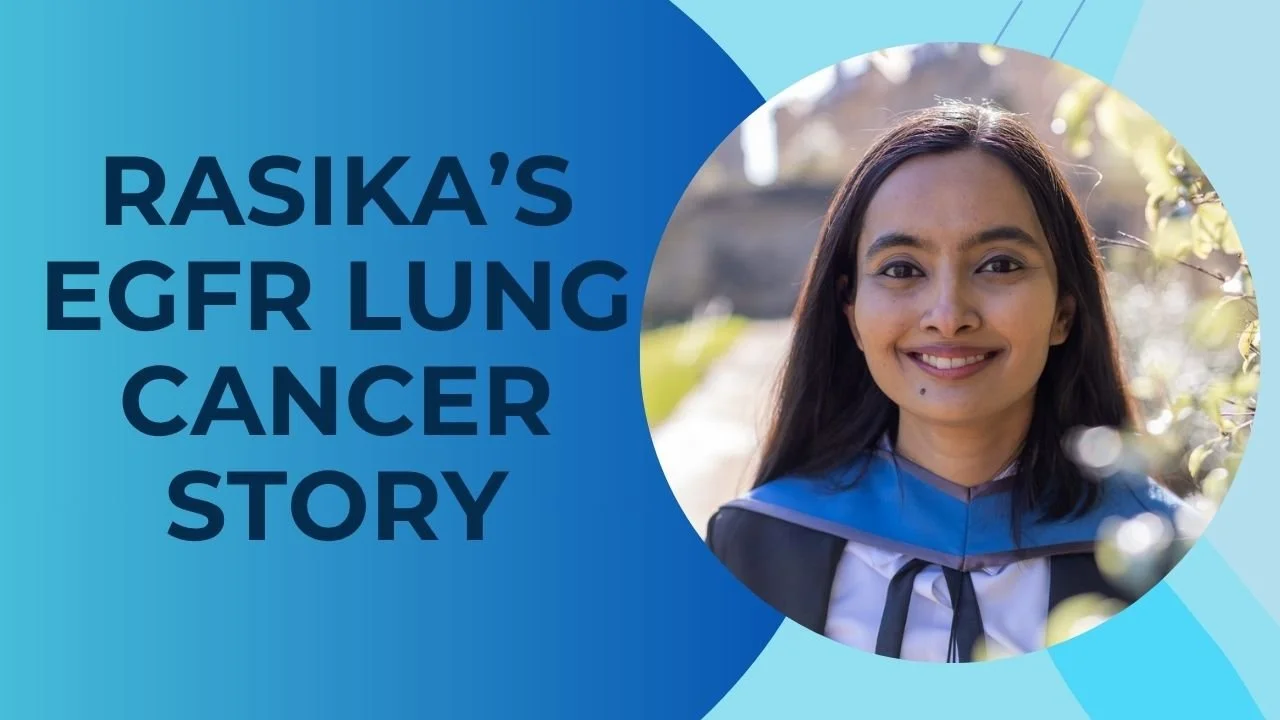
Rasika was a 26 and a physiotherapist in India when a cough turned out to be stage 3B EGFR exon 19 lung cancer. Told a targeted therapy existed for her cancer but unable to afford it, she faced impossible choices about treatment, access, and rebuilding her life.
-
At 26, Rasika was a fit, active physiotherapist working in a hospital in India when a cough that wouldn’t go away led to a diagnosis of stage 3B EGFR exon 19-positive lung cancer.
In this episode of The Patient Voices Podcast, Rasika shares the story of going from treating patients to becoming one herself — including the symptoms that were dismissed, receiving her diagnosis surrounded by colleagues, and starting treatment with little time to process what was happening.
She also talks about discovering through biomarker testing that her cancer had an EGFR mutation and learning that a targeted therapy existed — but was beyond what she could afford.
In this episode, Rasika discusses:
• Early symptoms and being diagnosed at 26
• The journey from cough to lung cancer diagnosis
• Receiving a diagnosis in the hospital where she worked
• Chemotherapy and the reality of starting treatment quickly
• EGFR exon 19 mutation and biomarker testing
• The challenge of accessing targeted therapy in India
-
At 26, Rasika was diagnosed with stage 3A EGFR-positive lung cancer. What followed was chemotherapy, lung surgery and targeted therapy — alongside treatment decisions heavily influenced by what she could afford.
Biomarker testing revealed an EGFR exon 19 deletion, but accessing targeted therapy in India came with significant financial barriers. Rasika later moved to Oxford, where she found herself navigating a very different healthcare system while continuing treatment.
In this episode, Rasika discusses:
• Chemotherapy and surgery for stage 3A lung cancer
• Discovering her EGFR exon 19 mutation
• Starting EGFR targeted therapy
• Severe treatment side effects and quality of life
• The financial barriers to cancer treatment in India
• When treatment decisions depend on what you can afford
• Moving to the UK and navigating the NHS
• Shared decision-making in cancer care
• Returning to life after cancer treatment
• The decision to stop targeted therapy after three years -
Stay tuned for part 3
It took Nichol five years to be diagnosed with stage 3B lung cancer. After surgery, chemotherapy and radiation, her cancer later returned as stage 4 following progression in the brain. She now shares her story to raise awareness for those with no biomarker.
-
After years of being told her persistent cough was “nothing serious”, Nichol was finally diagnosed with stage 3B lung cancer - with no biomarker.
Nichol was healthy, active and living a busy life when a persistent cough slowly began taking over everything. Over five years, she was repeatedly told it was bronchitis, allergies, asthma or nothing to worry about — despite worsening symptoms and repeated medical appointments.
By 2018, the coughing had become relentless, affecting her work, sleep, social life and mental wellbeing. Another scan finally revealed the truth: stage 3B lung cancer.
Within days, Nichol went from believing she had bronchitis to preparing for major lung surgery followed by chemotherapy and radiotherapy with curative intent.
In this episode, Nichol discusses:
• Persistent cough and lung cancer symptoms
• Delayed lung cancer diagnosis
• Being repeatedly dismissed by doctors
• Stage 3B lung cancer
• Lung surgery, chemotherapy and radiotherapy
• PTSD after cancer treatment
• Scan anxiety and fear of recurrence
• The importance of biomarker testing
-
▶ Watch part 2 now
Six years after treatment for stage 3B lung cancer, Nichol believed she was cancer-free — until headaches revealed the cancer had spread to her brain.After completing lung surgery, chemotherapy and radiotherapy with curative intent, Nichol spent years rebuilding her life. Her scans were clear, she had returned to work and the gym, and she believed the worst was behind her.
But after developing persistent headaches, further tests revealed devastating news: her lung cancer had returned and spread to her brain.
In Part 2 of this Patient Voices Podcast interview, Nichol shares the emotional impact of recurrence, the shock of learning she now had stage 4 lung cancer, and the treatment decisions that followed.
She discusses brain metastases, Gamma Knife treatment, biopsy decisions, ongoing chemotherapy and what it means to live with advanced lung cancer without an actionable biomarker. Nichol also speaks openly about isolation, advocacy, finding support through community and refusing to let cancer define her identity.
In this episode, Nichol discusses:
• Brain metastases and stage 4 lung cancer
• Symptoms that led to recurrence diagnosis
• Gamma Knife treatment and chemotherapy
• Living with metastatic lung cancer
• Biomarker testing and treatment options
• Emotional impact of recurrence
• Isolation and younger women with lung cancer
• Advocacy, community and hope after diagnosis
-
Chemotherapy is one of the most common cancer treatments, but the reality of treatment can be very different from what people expect.
In Part 3 of this Patient Voices Podcast interview, Nichol shares her honest experience of chemotherapy for lung cancer, from managing nausea and fatigue to dealing with longer-term side effects including tinnitus and neuropathy.
She discusses cisplatin and carboplatin, ports versus IVs, hair and skin changes, working during treatment, and the practical strategies that helped her cope with chemotherapy day to day.
In this episode, Nichol discusses:
• What chemotherapy really feels like
• Cisplatin, carboplatin and treatment side effects
• Managing nausea, fatigue and other side effects
• Long-term effects including tinnitus and neuropathy
• Ports versus IV access
• Working and managing daily life during chemotherapy
• Hydration, nutrition and preparing for treatment days
• The importance of reporting side effects early
• What she would tell someone starting chemotherapy
• Whether the body ever fully recovers after treatment
Julia was a working mum of 3 when breathlessness on hills and a persistent cough led to a diagnosis of stage 4 ROS1+ lung cancer. Diagnosed in 2015, she’s been through a clinical trial, chemotherapy, targeted therapies, and even leptomeningeal disease.
-
Julia was 45, a busy working mum of three, walking up a steep hill every day to get her children to school. When she began feeling increasingly breathless, she assumed it was because she had stopped attending her Zumba class.
It turned out to be stage 4 lung cancer.
In this episode of the Patient Voices Podcast, Julia shares her diagnosis of stage 4 ROS1-positive lung cancer — from the first symptoms through to diagnosis, treatment decisions and living with ongoing uncertainty.
She speaks openly about biomarker testing, clinical trials, and the role targeted therapies have played in her care, as well as the challenges of treatment side effects and maintaining quality of life.
Julia also reflects on disease progression, including the development of leptomeningeal disease affecting the brain, and what it means to keep going through each stage of lung cancer.
In this episode, Julia discusses:
• Early symptom of breathlessness and diagnosis
• Stage 4 ROS1-positive lung cancer
• Biomarker testing and targeted therapy
• Transition from chemotherapy to targeted treatment
• Clinical trials and treatment decision-making
• Managing side effects and quality of life
• Disease progression and leptomeningeal disease
-
Julia was already living with stage 4 ROS1-positive lung cancer when new neurological symptoms suddenly appeared — dizziness, double vision and problems with balance. Within days, her condition changed significantly.
At first, scans did not provide clear answers. But as symptoms progressed rapidly, Julia was diagnosed with leptomeningeal disease (LMD), a serious complication where cancer spreads to the membranes surrounding the brain and spinal cord.
In this episode of the Patient Voices Podcast, she shares the frightening speed at which LMD can develop, the challenges of diagnosis, and how a change in targeted therapy helped stabilise her condition.
She also reflects on recovery, resilience, and adapting to lasting changes, as well as learning how to move forward after one of the most difficult periods of her cancer journey.
In this episode, Julia discusses:
• Early neurological symptoms including dizziness and vision changes
• Leptomeningeal disease (LMD) in lung cancer
• Diagnostic challenges and unclear scan results
• Rapid symptom progression
• Starting lorlatinib targeted therapy
• Recovery and adapting to lasting changes
• Living with uncertainty after progression
-
When Julia was diagnosed with stage 4 ROS1-positive lung cancer in 2015, she feared her life was slipping away. More than 10 years later, her story offers a powerful perspective on hope, advocacy and living beyond a stage 4 diagnosis.
In Part 3 of this Patient Voices Podcast interview, Julia reflects on supporting her children through cancer, finding connection through rare lung cancer communities and becoming an advocate for others.
She shares how humour, friendship and open conversations helped her cope with uncertainty, progression and some of the hardest moments of her cancer experience.
In this episode, Julia discusses:
• Living with stage 4 ROS1-positive lung cancer
• Supporting children through cancer and uncertainty
• Finding community through rare cancer support groups
• Becoming involved in patient advocacy
• The importance of connection and humour
• Finding hope and a sense of normality after diagnosis
• Why no one should have to face rare lung cancer alone
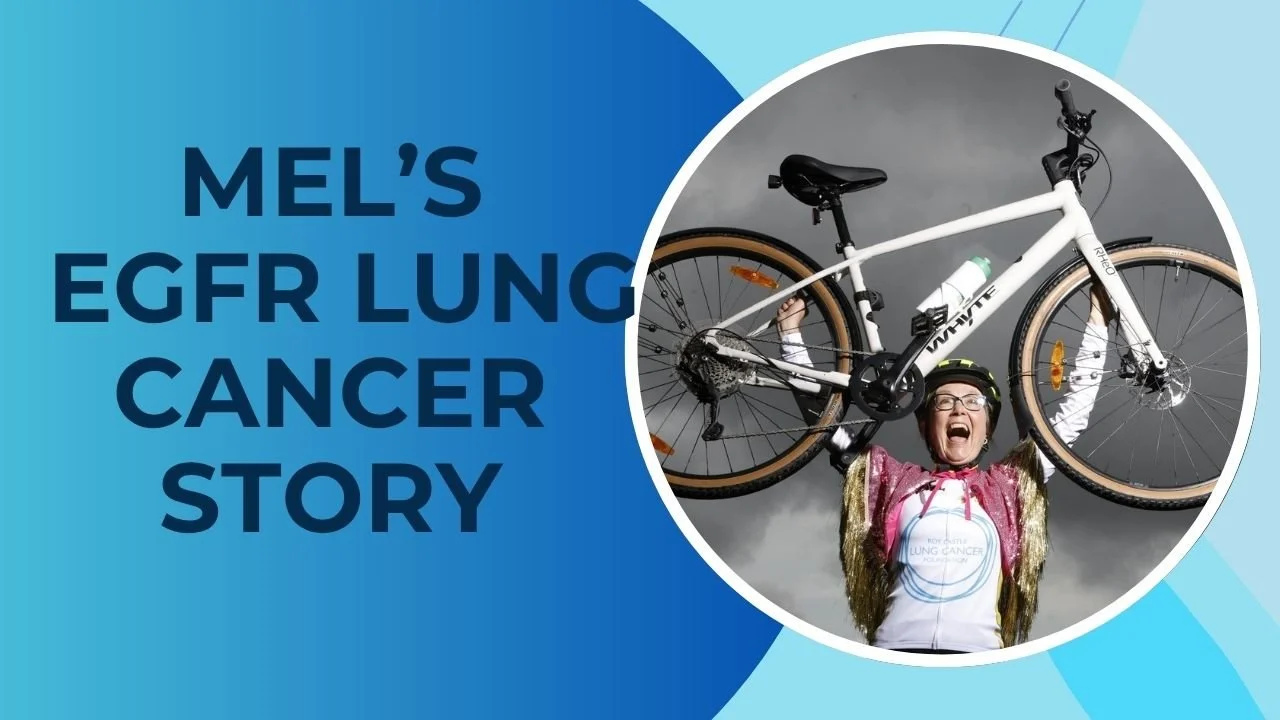
Mel went from stage 2 to stage 4 EGFR lung cancer in the space of 18 months but she’s living life with what she calls va-va-voom.
-
Mel went to hospital during the height of the pandemic expecting answers about long-COVID — and left with a lung cancer diagnosis.
Mel’s story begins in March 2020, when COVID-related investigations led to the unexpected discovery of early-stage lung cancer. What followed was chemotherapy, major surgery, and a long recovery that reshaped her life.
Years later, Mel faced a stage 4 recurrence driven by an EGFR mutation, changing everything again and bringing new treatment decisions and realities.
In this episode of the Patient Voices Podcast, Mel shares the emotional impact of diagnosis and recurrence, the role of biomarker testing, and what it means to live with mutation-driven lung cancer over time.
She discusses surgery, chemotherapy, recovery, recurrence, and how EGFR-targeted understanding has shaped her treatment path. Mel also speaks about finding strength through advocacy, community and sharing her experience.
In this episode, Mel discusses:
• Initial diagnosis discovered during COVID investigations
• Early-stage lung cancer, surgery and chemotherapy
• Long recovery and life after treatment
• Stage 4 recurrence driven by an EGFR mutation
• Biomarker testing and targeted treatment
• Emotional impact of recurrence
• Advocacy, community and lived experience of lung cancer
-
▶ Watch part 2 now
Mel’s lung cancer returned less than two years after curative treatment for stage 2 disease — this time as stage 4 lung cancer with multiple small tumours.After initially undergoing gruelling treatment with curative intent, Mel was faced with the shock of recurrence. What she describes as “tiny twinkling tumours” marked a sudden shift into life with advanced lung cancer.
In response, Mel made a conscious decision to reframe her reality. Rather than seeing herself as “terminal,” she focuses on living with what she calls “not yet curable” cancer — choosing purpose, perspective and her “va-va-voom” energy in the face of uncertainty.
In this episode of Patient Voices, she shares how she navigates treatment decisions, mental health and the emotional weight of recurrence, while also stepping into advocacy.
Today, Mel uses her experience to speak openly about the need for better second-line treatment options, improved access pathways in the UK, and stronger support for people living with advanced lung cancer.
In this episode, Mel discusses:
• Stage 2 lung cancer and curative treatment
• Lung cancer recurrence as stage 4 disease
• Decision-making and treatment choice
• Living with uncertainty and mental health impact
• Reframing “terminal” to “not yet curable”
• Advocacy for better treatment options
• Access and policy challenges in the UK
• Finding identity, purpose and “va-va-voom” energy
-
Hope can feel complicated when you are living with lung cancer, but for Mel Erwin, it has become something she actively builds — day by day.In this episode of Patient Voices, Mel reflects on what hope really means when you are living with uncertainty. From early-stage diagnosis to stage 4 lung cancer, she shares how her understanding of life, treatment and identity has shifted over time.
Rather than focusing on optimism alone, Mel speaks about grounded hope — shaped by community, lived experience and the everyday reality of cancer.
She explores how it feels to live with ongoing treatment decisions, how stigma continues to shape lung cancer conversations, and why being part of a shared community can make a difficult experience feel less isolating.
In this episode, Mel discusses:
• What hope looks like when cancer is not curable
• Living with stage 4 lung cancer over time
• The role of community and peer support
• Stigma in lung cancer and how it affects patients
• Life during and after treatment
• Conversations that help — and those that don’t
• Why research and better treatments still matter
It took Loryn three ER visits and six months to get finally diagnosed with stage 4 HER+ lung cancer, age 34. Initially dismayed by a rare biomarker, she’s now full of hope.
-
Loryn’s diagnosis came only after three emergency room visits, repeated misdiagnoses and being dismissed within the medical system. What began as unexplained symptoms was repeatedly attributed to exhaustion and life as a new mother.
After delays in reaching a clear diagnosis, Loryn was eventually told she had metastatic lung cancer. The emotional impact was immediate and complex — shock, grief and fear, alongside an unexpected sense of relief at finally having answers.
A transfer to a specialist hospital marked a turning point. Comprehensive biomarker testing revealed HER2-positive lung cancer, opening the door to targeted treatment options and a more personalised approach to care.
In this episode of Patient Voices, Loryn shares her experience of diagnostic delay, the importance of being heard, and how biomarker-driven care can fundamentally change treatment pathways.
In this episode, Loryn discusses:
• Repeated misdiagnosis and delayed diagnosis
• Symptoms dismissed as exhaustion and new motherhood
• Emergency room visits leading to eventual diagnosis
• Stage 4 metastatic lung cancer diagnosis
• HER2 biomarker testing and targeted treatment options
• Importance of specialist care pathways
• Emotional impact of diagnosis and relief at answers
• Advocacy for earlier, comprehensive testing
-
▶ Watch part 2 now
Fears over a rare HER2 lung cancer diagnosis came after a six-month delay and three emergency room visits, when Loryn was finally told she had stage 4 HER2-positive lung cancer.Hearing the word “rare” was deeply unsettling. With limited information available and few patient stories to relate to, HER2-positive lung cancer initially felt isolating and overwhelming. The uncertainty added to the emotional weight of a late stage 4 diagnosis.
Everything began to shift after comprehensive biomarker testing and transfer to a specialist centre. For the first time, Loryn understood her cancer at a molecular level and discovered there were targeted treatment options available, including Enhertu (trastuzumab deruxtecan).
In this episode of Patient Voices, she shares how moving to a specialist hospital changed her care, how HER2 drives tumour growth, and how precision medicine opened a new path forward.
In this episode, Loryn discusses:
• What HER2-positive lung cancer means
• The emotional impact of a rare stage 4 diagnosis
• Six-month diagnostic delay and emergency presentations
• Transfer to a specialist hospital and change in care
• Starting chemotherapy, radiation and targeted therapy
• Enhertu (trastuzumab deruxtecan) and treatment response
• Managing side effects and treatment cycles
• The importance of biomarker testing and clinical trials
-
Lung cancer at 34 changed everything for Loryn — not only her treatment path, but her identity, career, mental health and daily life.
In this final part of her three-part conversation, Loryn reflects on what it means to rebuild life after a stage 4 HER2-positive lung cancer diagnosis. She shares the emotional reality of stepping away from work, navigating disability, and facing depression while adjusting to a new sense of self.
Alongside targeted therapy, she highlights how community support, family, friends and holistic cancer care became essential parts of her wellbeing and coping.
This episode of Patient Voices explores the often unseen reality of life after diagnosis — where treatment is only one part of a much bigger picture that includes identity, mental health and support systems.
In this episode, Loryn discusses:
• Leaving work and identity change after diagnosis
• Living with stage 4 lung cancer at a young age
• Mental health impact, depression and adjustment
• Family, friends and community support
• Holistic cancer care and emotional wellbeing
• Navigating disability and daily life changes
• Advice for newly diagnosed lung cancer patients
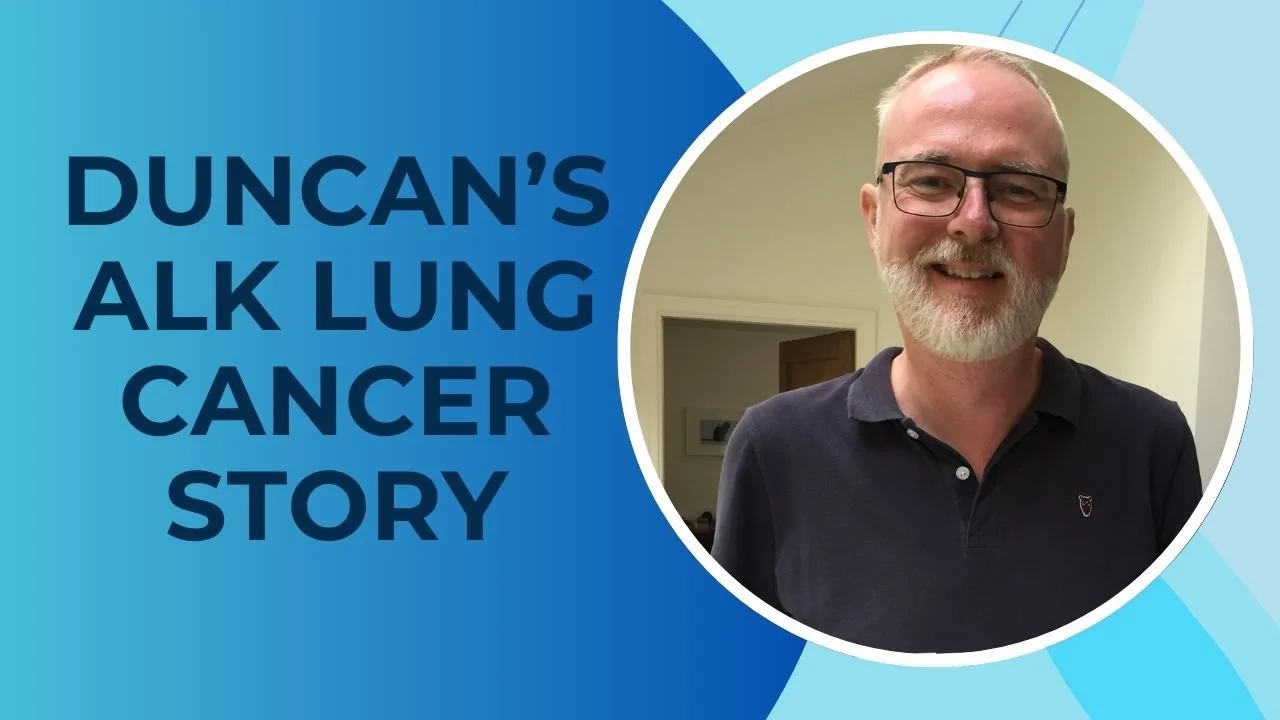
Duncan had just driven home after a day’s work when he had a seizure at home - leading to his stage 4 ALK+ lung cancer diagnosis at age 49.
-
“I was perfectly healthy — 49 years old — and then I had a seizure.”
Duncan’s story begins suddenly, without warning. A seizure after work led to a series of urgent scans that revealed brain lesions and, ultimately, a diagnosis of stage 4 ALK-positive lung cancer.
What followed was a life-changing whirlwind of tests, hospital visits and difficult conversations as Duncan and his wife tried to process an incurable diagnosis delivered in an instant.
In this episode of Patient Voices, Duncan Edmonstone from Manchester shares the shock of diagnosis, the uncertainty of the early days, and how biomarker testing revealed his ALK-positive status — opening the door to a more targeted understanding of his disease.
He also reflects on the emotional impact of anticipatory grief, and how community, information and purpose began to reshape his outlook.
In this episode, Duncan discusses:
• Seizure leading to lung cancer diagnosis
• Discovery of brain lesions and stage 4 disease
• Navigating multiple hospitals and urgent testing
• ALK-positive biomarker and molecular testing
• Emotional impact on him and his wife
• Anticipatory grief and uncertainty
• Finding community, hope and purpose
-
▶ Watch part 2 now
After being diagnosed with stage 4 ALK-positive lung cancer at 49, Duncan’s life changed overnight — but so did his purpose.In this episode of Patient Voices, Duncan reflects on how he has moved from diagnosis into advocacy, using his experience to push for earlier detection, better access to biomarker testing and stronger patient support systems.
He also speaks openly about lung cancer stigma, particularly the misconception that it is only a disease affecting people who smoke, and why changing this narrative is essential for earlier diagnosis and better outcomes.
Alongside advocacy, Duncan shares how he has navigated the mental health impact of cancer, learning to focus on what he can control and finding strength in community and connection.
In this episode, Duncan discusses:
• Living with stage 4 ALK-positive lung cancer
• Transition from patient to advocate
• Early diagnosis and self-referral chest X-ray programmes
• Access to biomarker testing
• Lung cancer stigma and public perception
• Mental health and coping strategies
• Community support and empowerment
• Why lung cancer is not only a “smoker’s disease”
-
In this episode, Duncan Edmonstone, who is living with stage four ALK-positive lung cancer in the UK, reflects on the emotional and practical realities that follow a life-changing diagnosis.
Duncan shares the fear and uncertainty surrounding brain surgery, the impact of losing his driving licence, and how cancer reshaped his relationship with work, independence and identity. He explains why returning to work mattered to him, and how a phased return helped restore structure, purpose and a sense of normality.
The conversation also explores the wider ripple effects of cancer — including mental health, financial planning and retirement considerations — and how priorities shift when life feels uncertain.
Duncan speaks candidly about learning to live in the present, redefining wealth and wellbeing, and finding meaning through patient advocacy, including supporting others navigating medical and driving regulations in the UK.
In this episode, Duncan discusses:
• Fear and reality of brain surgery
• Losing driving licence and independence
• Returning to work after diagnosis
• Phased return and workplace support
• Mental health and emotional adjustment
• Financial planning and future uncertainty
• Redefining priorities, wealth and wellbeing
• Advocacy and supporting others in similar situations
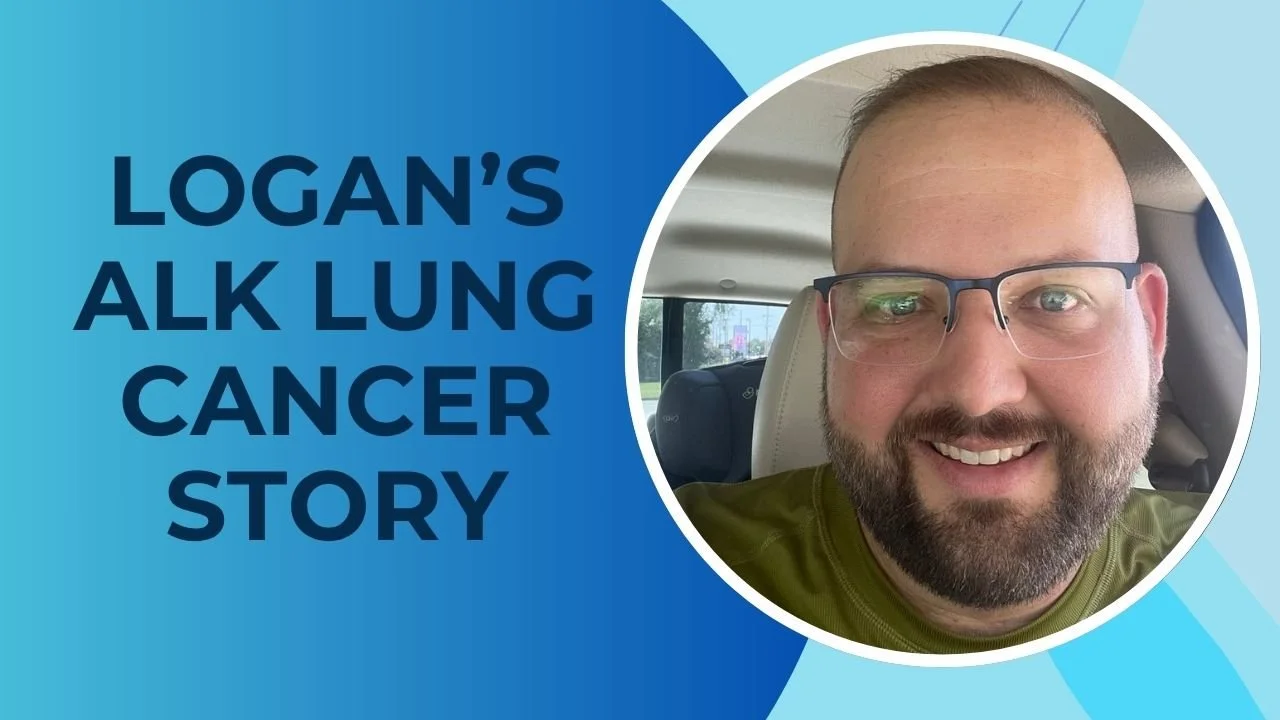
Logan was just 32 & expecting baby number two . He experienced many misdiagnoses until blood clots in his legs led to a stage 4 ALK+ lung cancer diagnosis.
-
For Logan, the earliest warning sign was not a cough — it was unexplained blood clots.
At 32, he was in the middle of building a career, raising a young family and preparing for the arrival of his second child when fatigue, leg pain and recurrent blood clots began a months-long medical journey that no one could initially connect.
What followed was a prolonged period of hospital admissions, antifungal treatments, blood thinners and inconclusive tests, with repeated reassurance that cancer was highly unlikely at his age. Meanwhile, his symptoms worsened, his lungs filled with clots and fluid, and his condition became increasingly serious.
It was only after transfer to a specialist hospital and a final biopsy — performed while Logan was under anaesthesia — that the diagnosis was finally confirmed: stage 4 ALK-positive lung cancer.
In this episode of Patient Voices, Logan shares how his diagnosis was nearly missed, the emotional impact on his family, and how the experience reshaped his outlook on life, fatherhood and gratitude.
In this episode, Logan discusses:
• Blood clots as the first presenting symptom
• Months of misdiagnosis and inconclusive testing
• Hospital admissions and escalating symptoms
• Transfer to specialist care and final biopsy diagnosis
• Stage 4 ALK-positive lung cancer
• Emotional impact on family, including his wife receiving news alone
• Reframing life, fatherhood and gratitude after diagnosis
-
At 32, Logan Terry was diagnosed with stage 4 ALK-positive lung cancer — a life-changing moment that forced him to rethink everything: fatherhood, purpose and what it means to keep going when life feels impossible.
In this episode of Patient Voices, Logan reflects on how adversity has reshaped him and why community has become central to how he lives with cancer today. He shares how supporting other men living with lung cancer has become one of the most meaningful parts of his life.
Logan speaks honestly about hope, fear and faith, and the unexpected strength that comes from sharing his story. He explores the power of connection, the role of advocacy and why public speaking helps him reach people who may feel isolated or overwhelmed by a new diagnosis.
Above all, Logan shares a message of reassurance: that no one has to face lung cancer alone, and that peace, joy and purpose are still possible, even in the hardest moments.
In this episode, Logan discusses:
• Life-changing diagnosis at 32
• Living with stage 4 ALK-positive lung cancer
• Fatherhood, identity and purpose
• Community support and connection
• Hope, fear and faith in daily life
• Advocacy and supporting others with lung cancer
• Public speaking and sharing lived experience
• Finding meaning and resilience after diagnosis
-
At just 32, Logan was running a business, raising two young children and expecting another baby when symptoms began a months-long journey of repeated misdiagnoses — including treatment for blood clots — before he was finally diagnosed with stage 4 ALK-positive lung cancer.
What followed was escalating fear and uncertainty, culminating in a moment Logan describes as breaking him: telling his 3½-year-old son that he had cancer.
In this episode of Patient Voices, Logan shares the shock of diagnosis, the emotional weight of telling his family, and how targeted therapy opened a new path of hope and stability.
He also reflects on how faith has helped him stay grounded, and how fatherhood has become a central source of strength and purpose as he navigates life with ALK-positive lung cancer.
In this episode, Logan discusses:
• Months of repeated misdiagnosis and delayed diagnosis
• Blood clots and escalating symptoms
• ALK-positive lung cancer and targeted therapy
• The emotional impact of telling his children
• Living with cancer as a young father
• Faith, coping and resilience
• Finding hope through treatment advances
• Strength through fatherhood and family
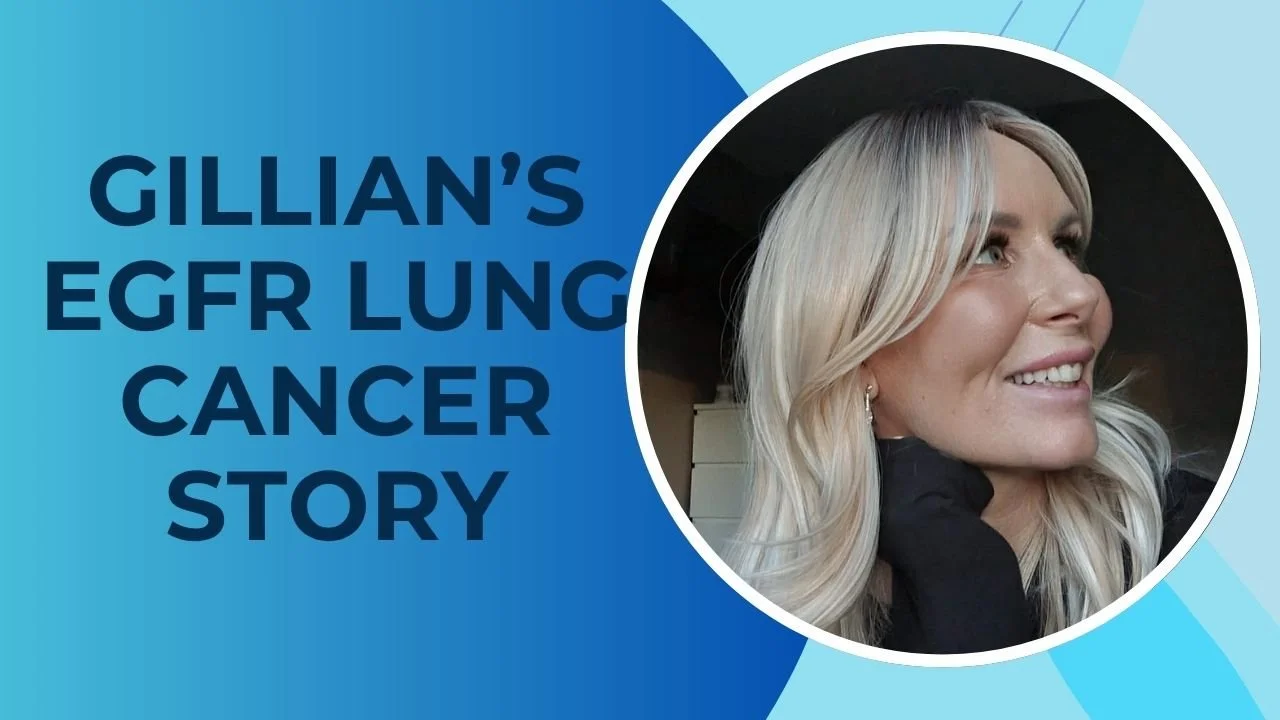
Dizzy spells at work led to Gillian’s diagnosis with stage 1A EGFR lung cancer age 40.
-
Just days after her 40th birthday, Gillian Ryan’s life changed forever. What began as dizzy spells at work led to an emergency hospital visit and, eventually, the words she never expected to hear: she had lung cancer.
At first, Gillian was told it might be anxiety. A persistent nurse pushed for further testing, which revealed a nodule on her lung — initially thought to be a harmless scar. She was also told she did not fit the typical lung cancer profile. Despite this reassurance, further investigation confirmed a life-changing diagnosis shortly after her milestone birthday.
Due to COVID restrictions, Gillian faced the diagnosis alone, without her family by her side. What followed was surgery, recovery, and the complex emotional reality of survivorship — including regular scans, scanxiety and the ongoing uncertainty that comes with being told she was “cured,” while still living with the impact of cancer.
In this episode of Patient Voices, Gillian shares the shock of diagnosis, the experience of isolation, and how she began to find her voice as a patient advocate.
In this episode, Gillian discusses:
• Early symptoms including dizzy spells at work
• Initial reassurance and delayed diagnosis
• Lung nodule discovery and further testing
• Diagnosis shortly after her 40th birthday
• Receiving news alone during COVID restrictions
• Surgery and recovery
• Scanxiety and survivorship
• Finding purpose through advocacy
-
After surgery for lung cancer following her diagnosis at 40, Gillian initially believed she had been “cured.” But as she shares in this episode, the reality that followed was far more complex.
In this second part of her story, Gillian opens up about life after treatment — including the emotional toll of ongoing uncertainty, and the difficult adjustment to survivorship that is often not spoken about.
She shares how living with a monitored lung nodule for over a year has created constant anxiety, and how the fear of recurrence can feel just as overwhelming as the initial diagnosis. Gillian also speaks honestly about the emotional contradictions of survivorship — including guilt, jealousy, and gratitude existing side by side.
In this episode of Patient Voices, she reflects on why she has been unable to return to work or many of the activities she once loved, and how she is slowly finding grounding through journaling, nature and staying present.
In this episode, Gillian discusses:
• Life after lung cancer surgery and survivorship
• Ongoing monitoring of a lung nodule
• Anxiety and fear of recurrence
• Emotional impact of “cancer guilt” and jealousy
• Difficulty returning to work and exercise
• Isolation after treatment ends
• Coping through journaling, nature and presence
-
Telling your children you have cancer is every parent’s nightmare — but for Gillian, it became the beginning of a much bigger mission.
In this final part of her story, Gillian reflects on how she navigated those conversations at home, the emotional impact on her family, and what it means to parent while living with uncertainty after a lung cancer diagnosis.
She also shares how she has learned to hold both fear and gratitude at the same time — finding ways to celebrate life while continuing to live with the realities of ongoing monitoring and survivorship.
Over time, Gillian has channelled her experience into advocacy, turning personal pain into purpose.
In this episode of Patient Voices, she discusses her work campaigning for change in Ireland, including efforts to establish the country’s first lung cancer screening unit, introduce the white ribbon initiative to raise awareness, and improve research, funding and support for patients.
In this episode, Gillian discusses:
• Telling children about a lung cancer diagnosis
• Emotional impact on family life
• Parenting while living with uncertainty
• Finding meaning and purpose through advocacy
• Campaigning for lung cancer screening in Ireland
• Raising national awareness through the white ribbon initiative
• Improving research, funding and patient support
• Living with hope, fear and resilience
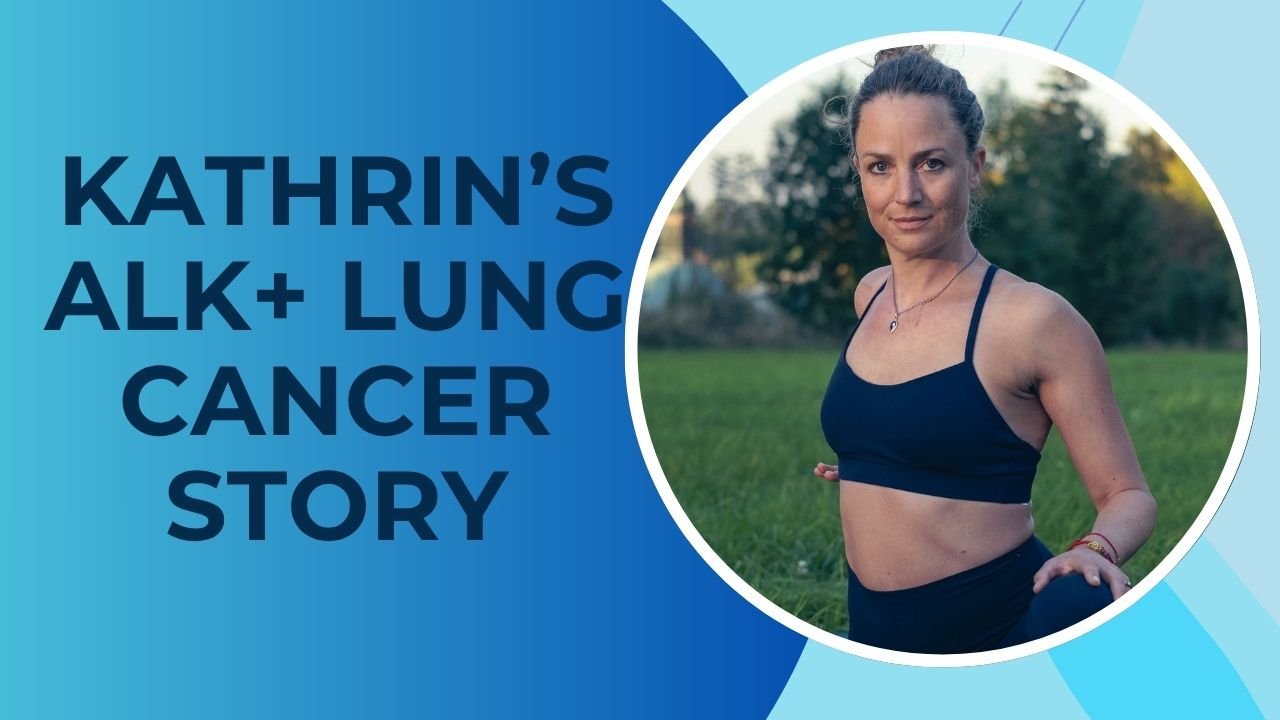
Crippling foot pain led to mother & fitness professional Kathrin’s diagnosis with stage 4 ALK+ lung cancer age 44.
-
Kathrin, a fitness professional from Germany, was living an active life when unexplained foot pain became the first sign of something far more serious — ultimately leading to a diagnosis of stage 4 ALK-positive lung cancer.
In this inaugural episode of the Patient Voices Podcast: Stories & Hope in Lung Cancer, co-founder Yvonne Diaz speaks with Kathrin about her diagnosis journey, the shock of learning she had lung cancer, and how she has navigated treatment decisions since.
Kathrin also reflects on the emotional impact of living with lung cancer, including scan anxiety, mental health challenges, and the importance of community support in helping her cope and move forward.
In this episode of Patient Voices, Kathrin discusses:
• Early symptom of foot pain leading to diagnosis
• Stage 4 ALK-positive lung cancer
• Diagnosis and treatment decisions
• Scan anxiety and emotional impact
• Mental health and coping strategies
• Importance of community and support
• Living actively while on treatment
-
▶ Watch part 2 now
Kathrin opens up about the hardest conversations that come with a lung cancer diagnosis — especially at home with her family.She shares what it was like telling her 5-year-old son about her stage 4 ALK-positive lung cancer, and how she and her husband navigated the emotional weight of that moment together. Kathrin also reflects on her parents’ fears, the reactions of friends, and the complex ways families adapt when cancer becomes part of everyday life.
In this episode of the Patient Voices Podcast, she offers an honest look at how relationships are reshaped by diagnosis, and how support systems become essential for coping and resilience.
In this episode, Kathrin discusses:
• Telling her young son about her diagnosis
• Family communication after a cancer diagnosis
• Emotional impact on her husband and parents
• Friends’ reactions and social support
• Impact of cancer on relationships
• Finding support and maintaining positivity
• Navigating life as a family living with cancer
-
After her stage 4 ALK-positive lung cancer diagnosis, Kathrin faced something she never expected — side effects that shook her confidence and left her afraid of dose reductions.
In this episode of the Patient Voices Podcast, Kathrin opens up about the fear, frustration and uncertainty that can come with ongoing treatment, and how side effects can impact both physical and emotional wellbeing.
She reflects on the turning point that helped her regain confidence, inspired by her psycho-oncologist, and how she began to find her voice as a patient advocate. Over time, Kathrin transformed a difficult part of her treatment experience into a sense of purpose — using her experience to support others going through similar challenges.
In this episode, Kathrin discusses:
• Side effects after ALK-positive lung cancer treatment
• Fear of dose reductions and treatment changes
• Emotional and psychological impact of ongoing therapy
• Support from psycho-oncology and care teams
• Finding confidence after diagnosis
• Becoming a patient advocate
• Turning lived experience into support for others
We are grateful to our sponsors for their support of Oncogene Cancer Research’s patient empowerment programmes, helping make much of this work possible.
Oncogene Cancer Research retains full editorial control over all content. We also do not endorse specific treatments nor provide medical advice. Questions and concerns should be raised with individual care teams.