
Meet Tristan

The diagnosis didn't sink
in immediately, because I
needed to do something
about it.
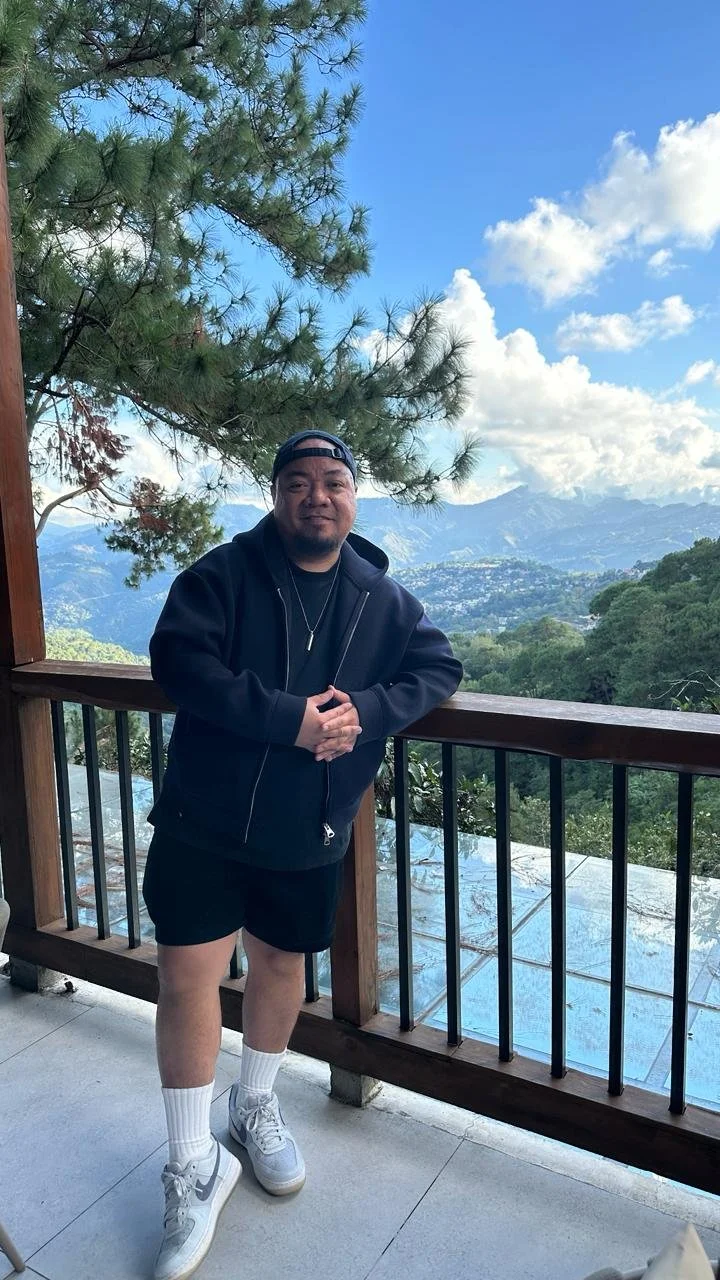
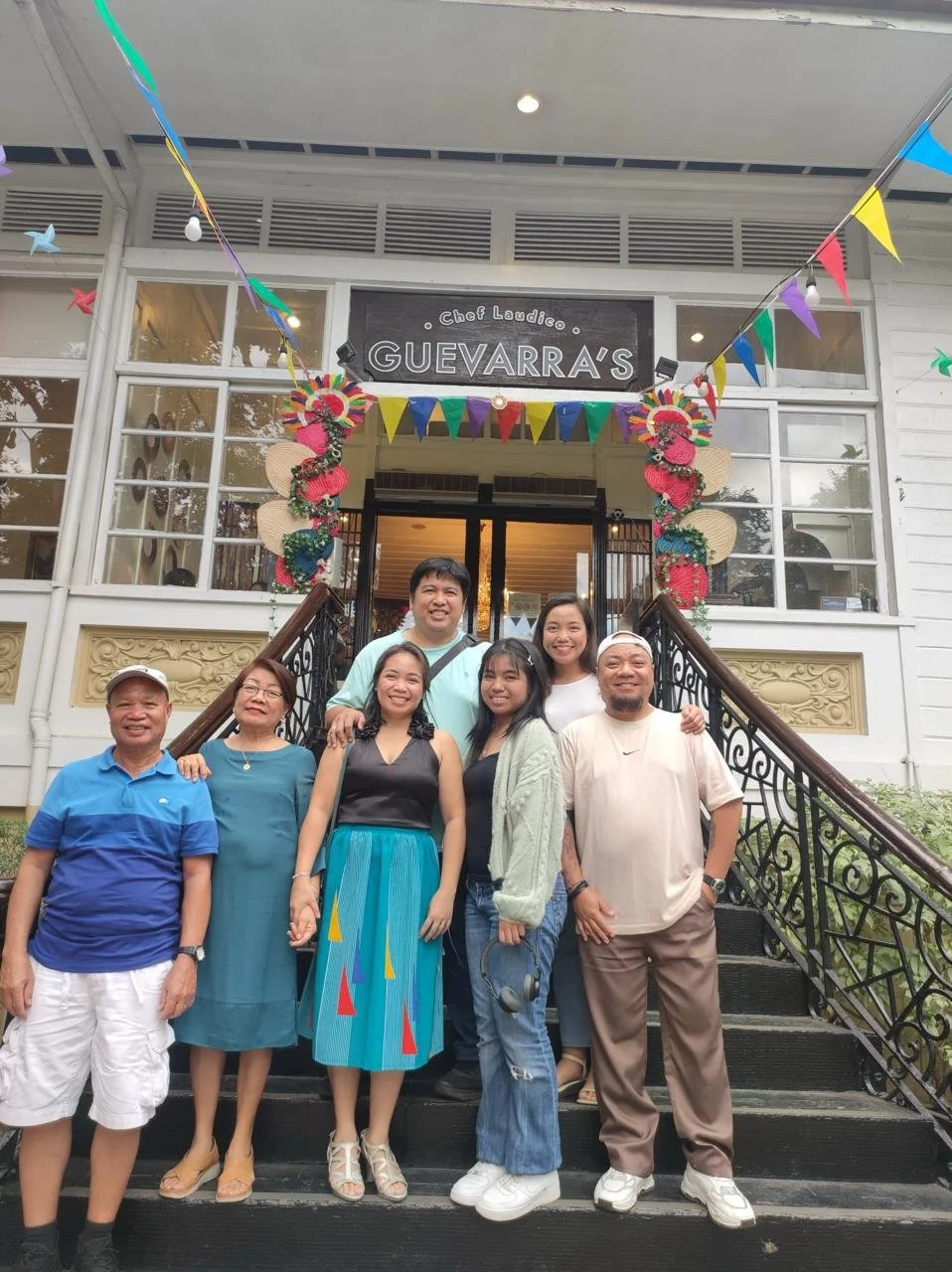
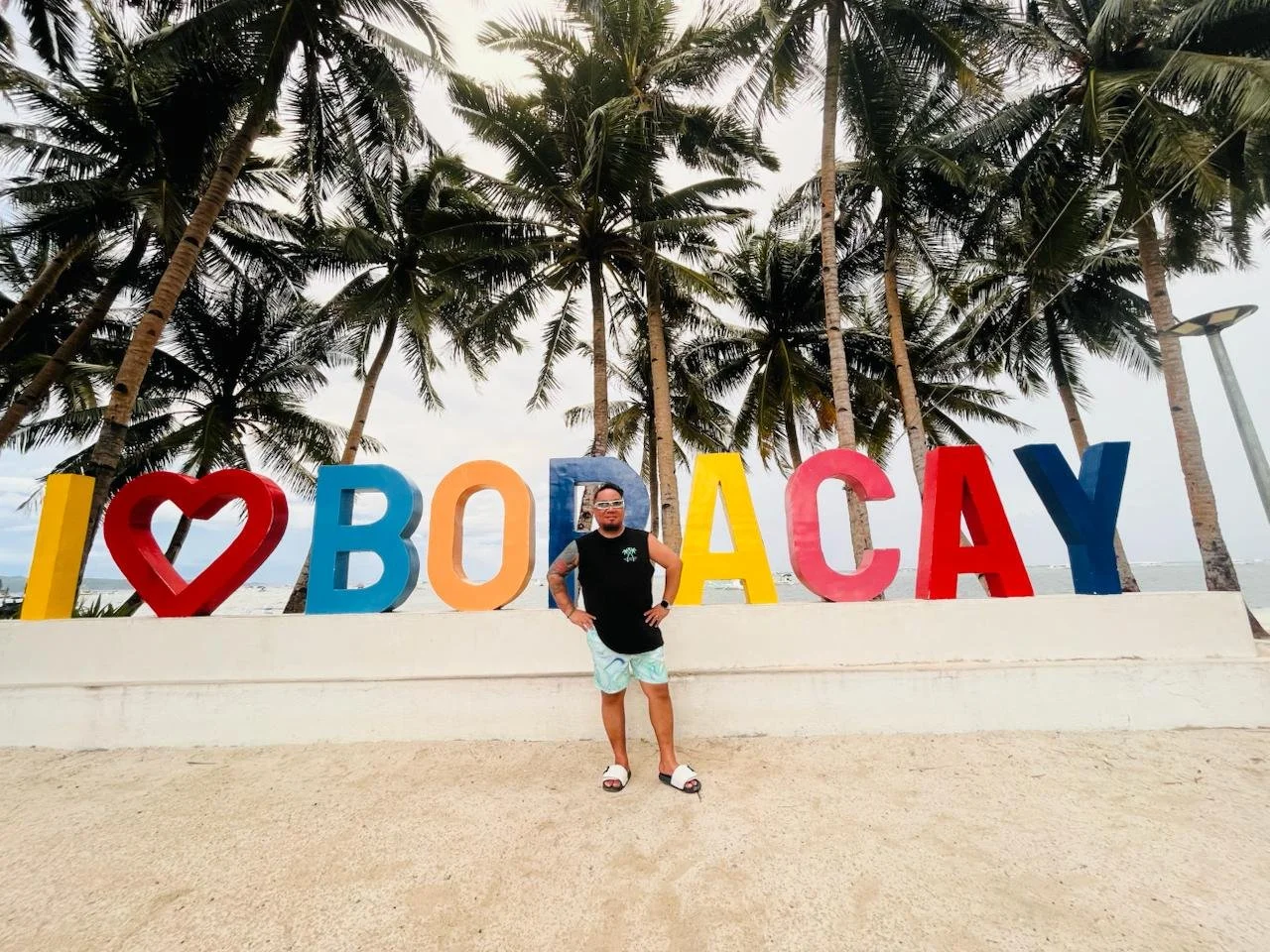
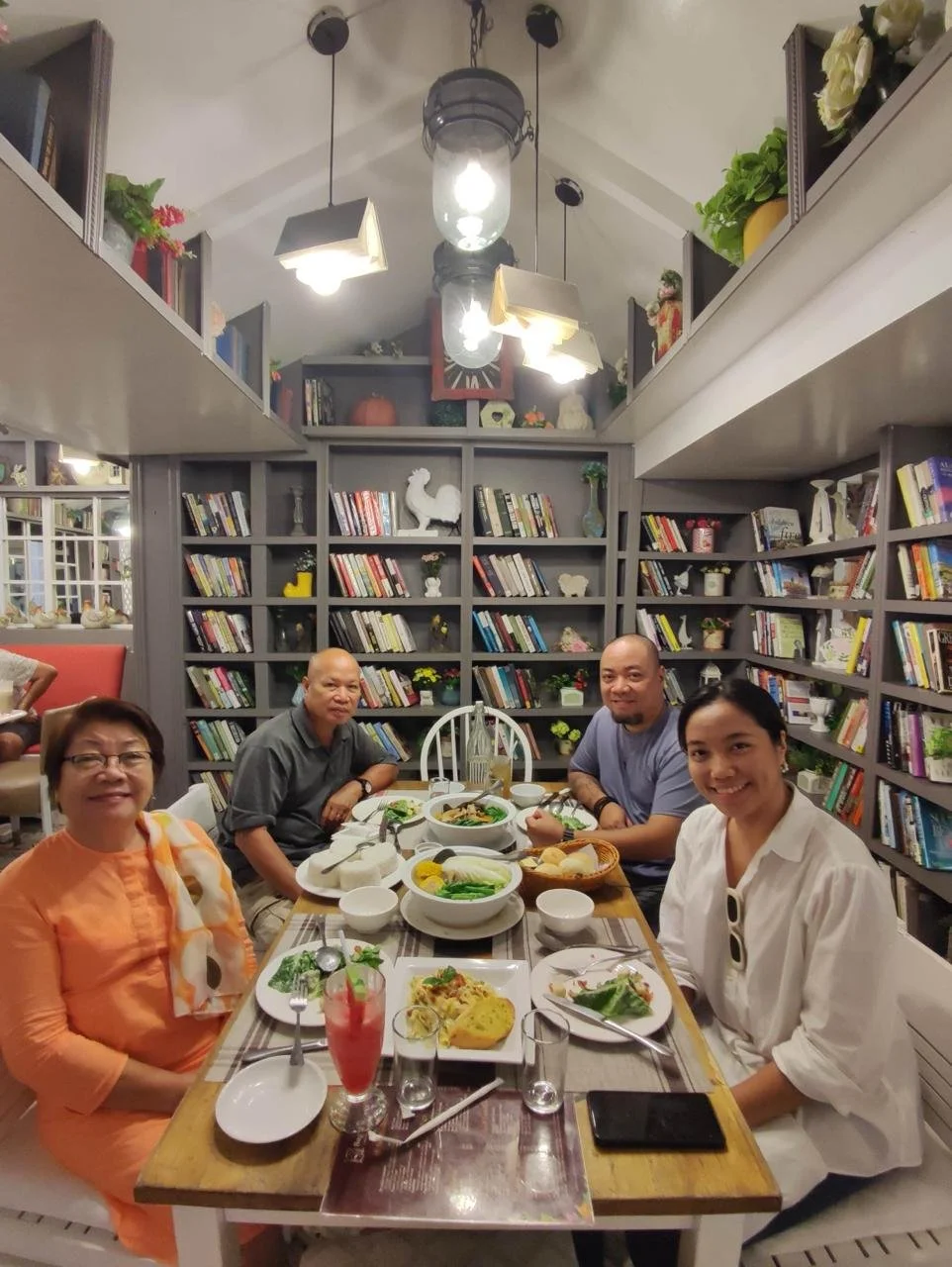
Tristan, from Manila, the Philippines, built his life around small, familiar pleasures: family dinners and trips, afternoons at the mall or over coffee with friends, weekends at the beach, playing badminton, or going to the gym.
For the better part of a year, everyone had an explanation for Tristan's cough. Every one of them was wrong.
It started, unremarkably, in late 2022. Tristan, then 41 and working as a supervisor for a shared services company in Manila, went to a pulmonologist. He was told his cough was viral. He was given antibiotics, felt better for two weeks, and then didn't. The cycle repeated, month after month, each round of medicine buying him a brief window before the cough returned exactly as before.
By early 2023, Tristan was coughing through the night, unable to sleep more than a few hours at a stretch. By April, even drinking water triggered it. He went back to hospital, and this time doctors found his lungs full of fluid. They drained it, assuming it was ordinary, and left a catheter in for two weeks to be sure. Nobody suspected cancer. The fluid returned anyway.
Finally in June 2023, at the Lung Center of the Philippines, one of the country's leading respiratory hospitals, a scan found a mass in his left lung. A biopsy confirmed cancer that had already reached his vertebrae. Tristan was 41 years old and had been quietly, wrongly reassured for the better part of a year.
"I was quite shocked," he says. "But the diagnosis didn't sink in immediately, because I needed to do something about it."
Too employed to qualify for financial assistance, too sick to work without help
In the Philippines, government support for cancer treatment is means-tested, and it is aimed squarely at the very poorest. Tristan applied, gathering the paperwork and certificates. He was turned down. He had a job. That made him, in the government's own classification, "B class," comfortable enough to be ineligible for help, nowhere near comfortable enough to pay for stage 4 lung cancer treatment out of his own pocket.
For months he had scans and a diagnosis, but no treatment. Then, in November 2023, pneumonia put him in hospital needing oxygen just to breathe, and his oncologist told him plainly that waiting was no longer an option.
A mutation nobody had tested for until it mattered
Biomarker testing found an ALK gene fusion driving Tristan's lung cancer, and his oncologist recommended a targeted therapy called alectinib.
The medication was priced far beyond what Tristan could manage alone, even at the discounted rate his doctor arranged. His employer's insurance covered three days in hospital a year and nothing towards medication. So, Tristan and his sister did the only thing left available to them: they opened a fundraising page and sold T-shirts and mugs, just to cover the cost of a single week's supply.
Within seven days, the cough that had defined the previous year stopped completely. His appetite returned.
"I just needed to try the treatment. So, I gathered a few funds, and I purchased a one week's supply."
KNOW YOUR BIOMARKERS
ALK

I just needed to try
the treatment.
So, I gathered a
few funds, and
purchased a one
week's supply.
ALK (anaplastic lymphoma kinase) is a gene that is highly active during embryonic development, providing the blueprint for a protein that helps grow nervous system and brain cells. In adulthood, the ALK gene largely becomes inactive.
When the ALK gene accidentally switches back on, it can fuse with another gene and send a faulty signal that tells cells to grow uncontrollably. This causes ALK-positive lung cancer, which accounts for roughly 3 to 5 percent of non-small cell lung cancer cases. This subtype typically affects younger people with little to no smoking history. Unlike chemotherapy, which attacks all fast-growing cells, ALK targeted therapies are designed to switch off that specific faulty signal, which is why they can bring dramatic improvement within weeks rather than months. Biomarker testing is essential for anyone diagnosed with lung adenocarcinoma, regardless of age or smoking history.
Getting dressed for work while his lungs were failing
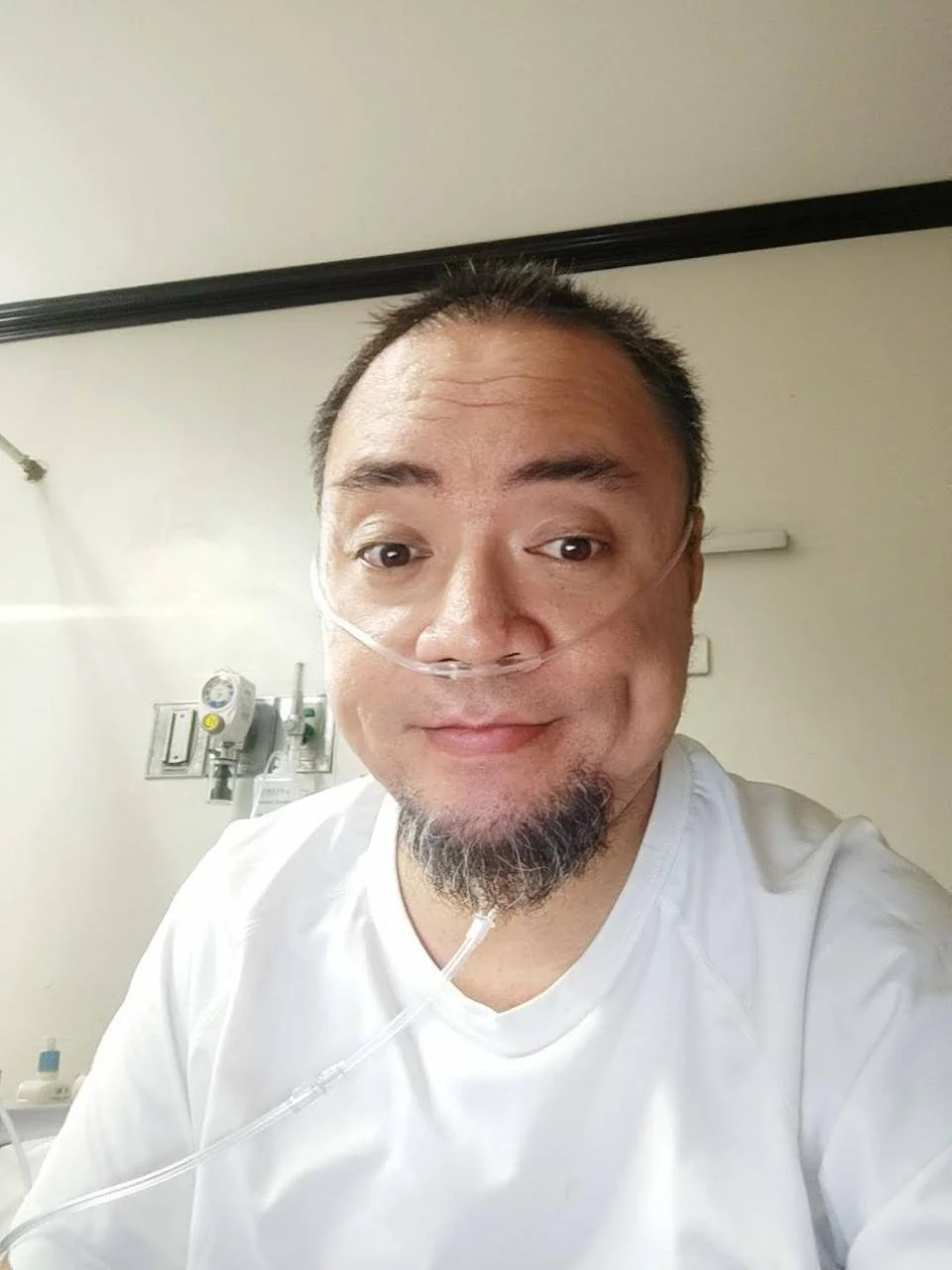
Through the hospitalisations and the early uncertain months on alectinib, Tristan kept working. Not because it was easy, but because stopping felt like a burden he refused to place on his family.
"I didn't and still don't want to bother any relatives or my sisters or my parents," he says. "I just want to make sure I can continue to live and provide as I've always done."
His parents are both retired now. His sisters had already stretched themselves thin. So even as the medication drained nearly everything he earned, Tristan found a second job with a single purpose: paying for his own treatment, nothing else. This meant the fundraising could stop and the household could try to return to some sort of normalcy.
The scan that changed the sentence
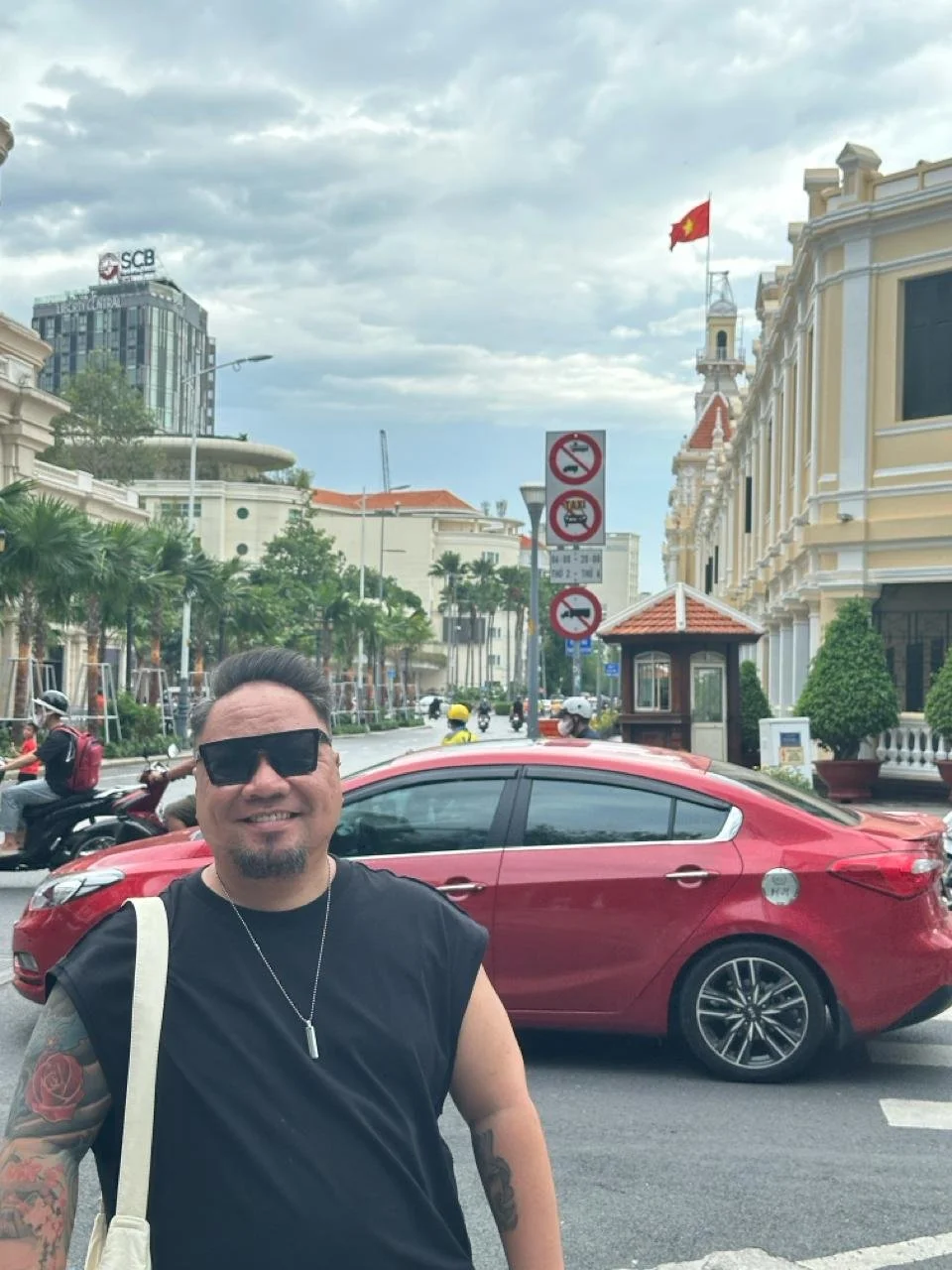
By February 2024, a PET scan showed real progress, with lesions that had spread to his intestine gone entirely. The metastasis in his spine remained, treated with painful but brief bone infusions every three weeks. Two years and several scans later, his oncologist delivered the words Tristan had been quietly hoping for since the day he finally was diagnosed: no evidence of disease. The tumour in his lung and the damage in his spine had become nothing more than scar tissue. He will need to stay on treatment for life, but for now, the cancer that once left him fighting for breath is under control.
Tristan is on a reduced dose now, after his oncologist recommended it to help protect his liver from the medication's long-term effects, still working, still the person his family leans on.
Not long after his oncologist gave him that news, the second job, the one that existed for a single purpose, disappeared. A company reorganisation cut Tristan's entire offshore team. His first job, the one that covers everything else, was untouched. But the income dedicated purely to keeping him supplied with alectinib was gone.
By his own count, he has around two months of medication left. A recent redundancy has sent him job hunting again, this time with a stockpile of medicine and a confidence he didn't have three years ago, looking for something in customer service or as a virtual assistant, anything that will let him keep affording a drug he cannot afford to stop taking.
What he wants people to know

Tristan's advice to anyone newly diagnosed comes from hard experience.
"In the Philippines, when people hear of a cancer diagnosis, you can be offered lots of alternatives – often well intentioned – from faith healers to unproven remedies, or even suggestions that maybe it isn't really cancer at all."
Some of the online groups he initially joined even solicited money from sick and frightened members, and he removed himself. Tristan's advice is to get informed: know exactly which agencies, laboratories and doctors can actually help you, and be selective about whose voice you let in, because not everyone offering help has your interests at heart. Join reputable support groups.
Tristan also adds other valuable advice: "Remember to be gentle to yourself along the way, so you don't have to carry every burden at once. It's completely okay to rest when the day feels heavy. You're not alone in this journey. Take it one day, one step, one victory at a time, because your resilience is a powerful thing."
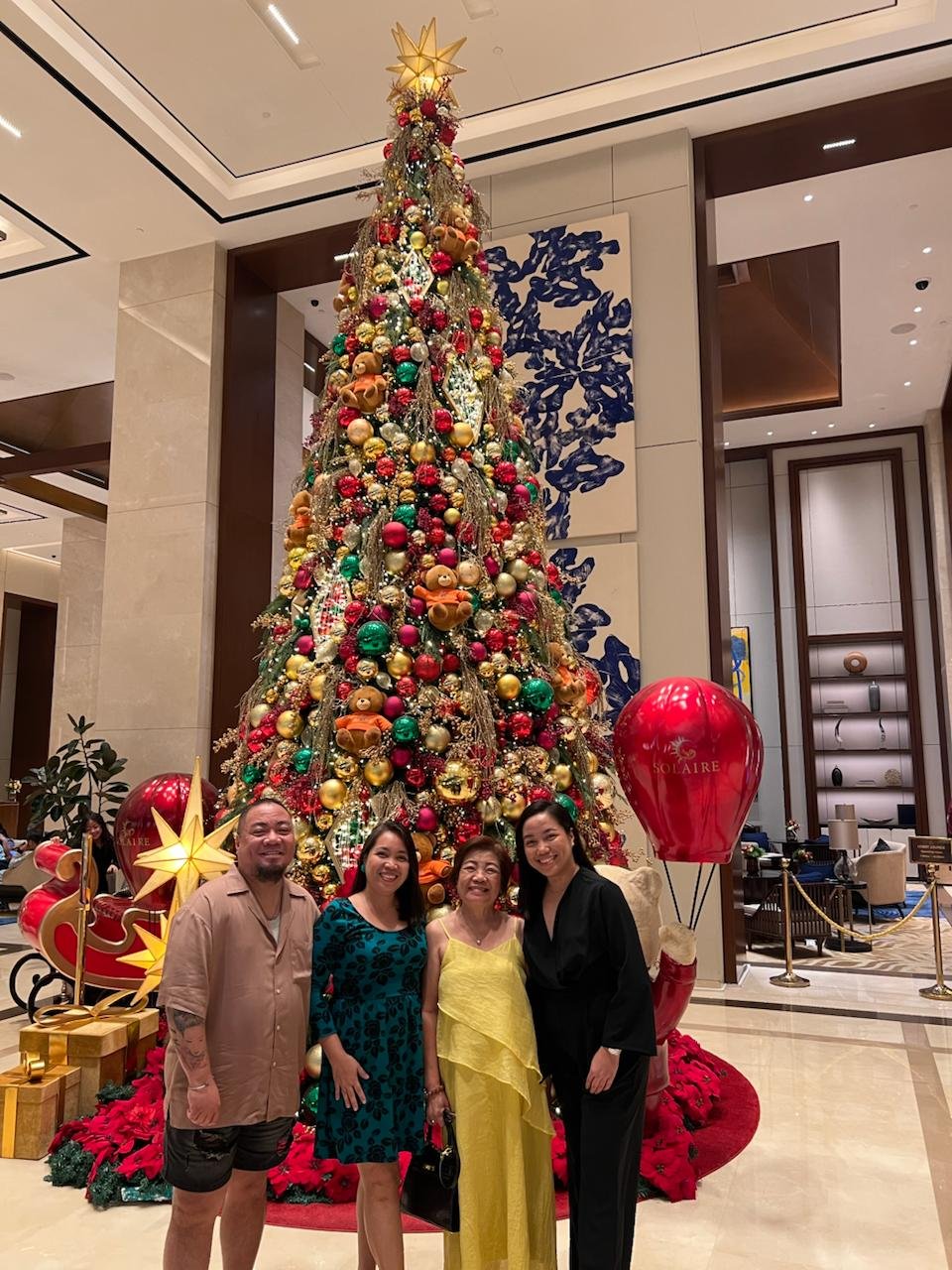
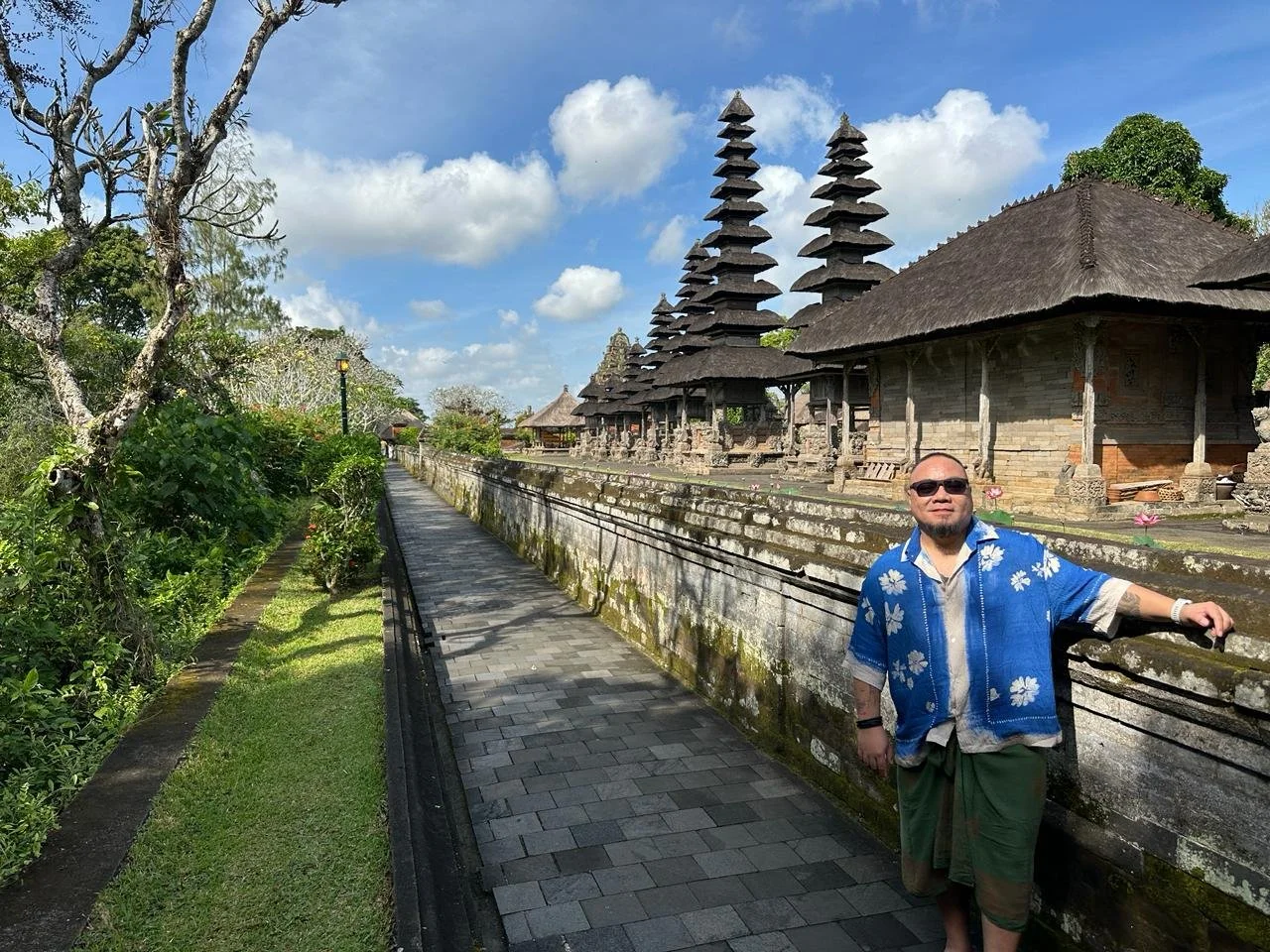
What Tristan is fighting to hold onto is not complicated. It is the same life he had before any of this started: family dinners, coffee with friends, weekends at the beach, a return to badminton and the gym. None of that is secured by a good scan. It depends on whether he can keep finding the money for the medicine that makes it possible.

Oct 2026