
Patient stories.
Get real stories of people living with lung cancer.
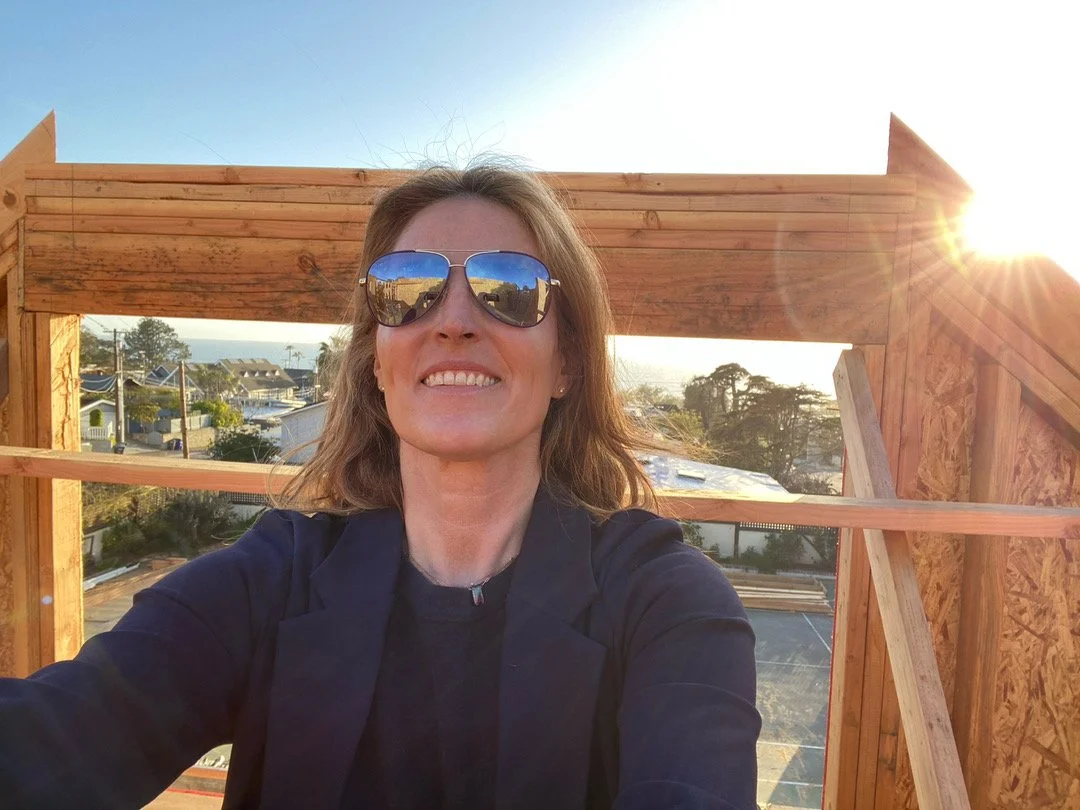

It was stage 4 lung cancer all along, hidden behind vertigo and migraines no one could explain.
— Rosee, diagnosed with stage 4 EGFR+ lung cancer age 53
Meet Rosee.
How a computer scientist's two-year search for answers led to a diagnosis no one saw coming – and a determination that has saved her life.
After two years of misdiagnoses and suffering, a second opinion finally saved my life.

At 3 AM on a September morning in 2022, Rosee - 51 at the time - woke to violent vomiting and vertigo so severe she couldn’t stand. What she didn’t know was that this moment – the moment everything tilted – would be the beginning of a two-year search for an answer that no one thought to look for.
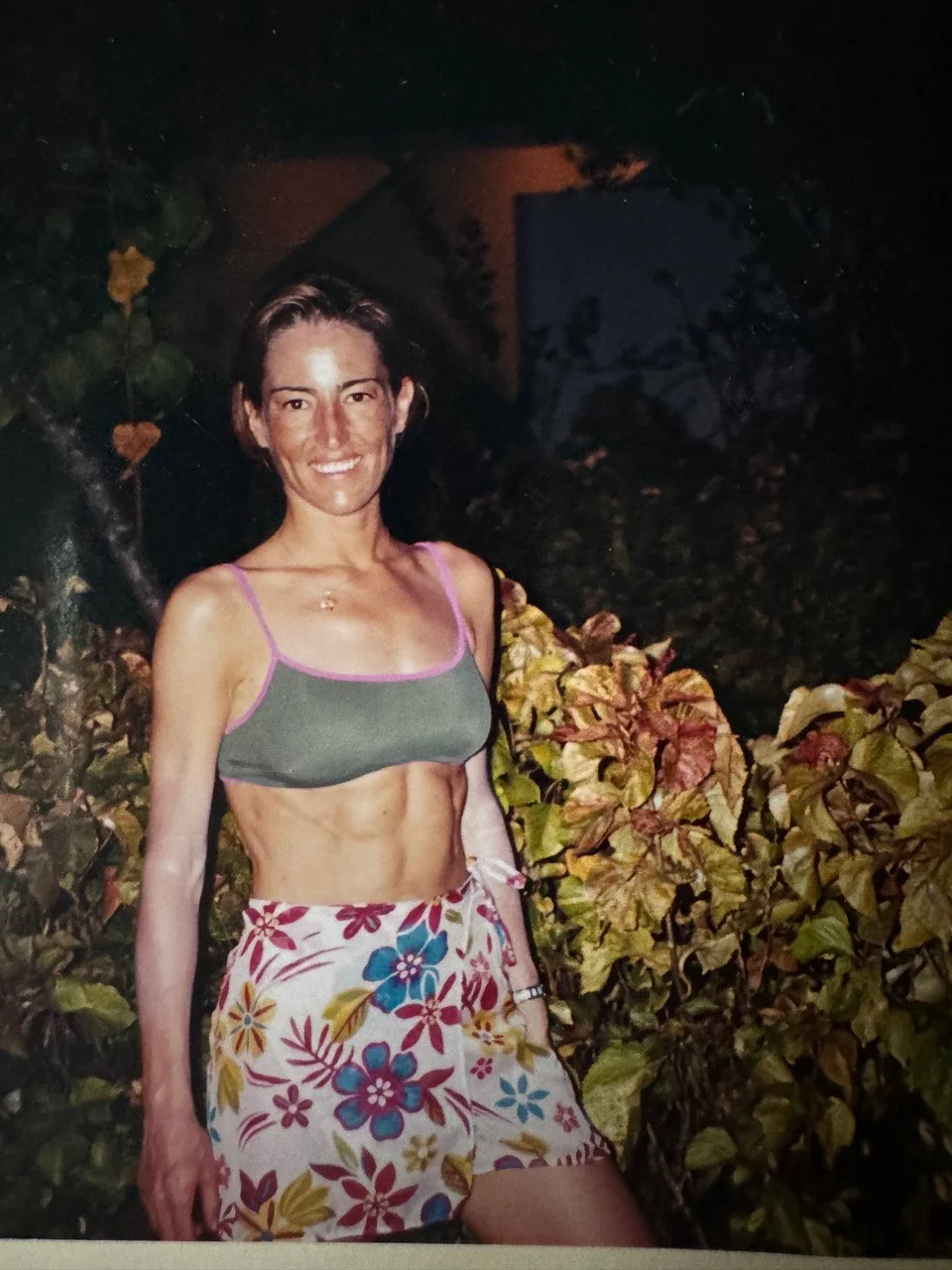
A computer scientist, swimmer and diver from Barcelona living in the US who had never touched a cigarette or ate fast food. Rosee shares, "If you are born in Barcelona, you do not eat junk food, that is a big no-no." She had always taken meticulous care of her health. The Mediterranean diet wasn't a trend for Rosee; it was simply how she ate since childhood.
But something inside her had gone terribly wrong.
What followed was a two-year fight through emergency rooms, urgent care clinics, vertigo specialists and neurologists. The migraines came in relentless waves. The vertigo made the world spin. Doctors prescribed a low-sodium, anti-inflammatory diet and told her to avoid caffeine. Eventually, they settled on a diagnosis: Ménière's disease, an untreatable inner-ear condition she would simply have to live with.
"Learn to adapt," they told her.
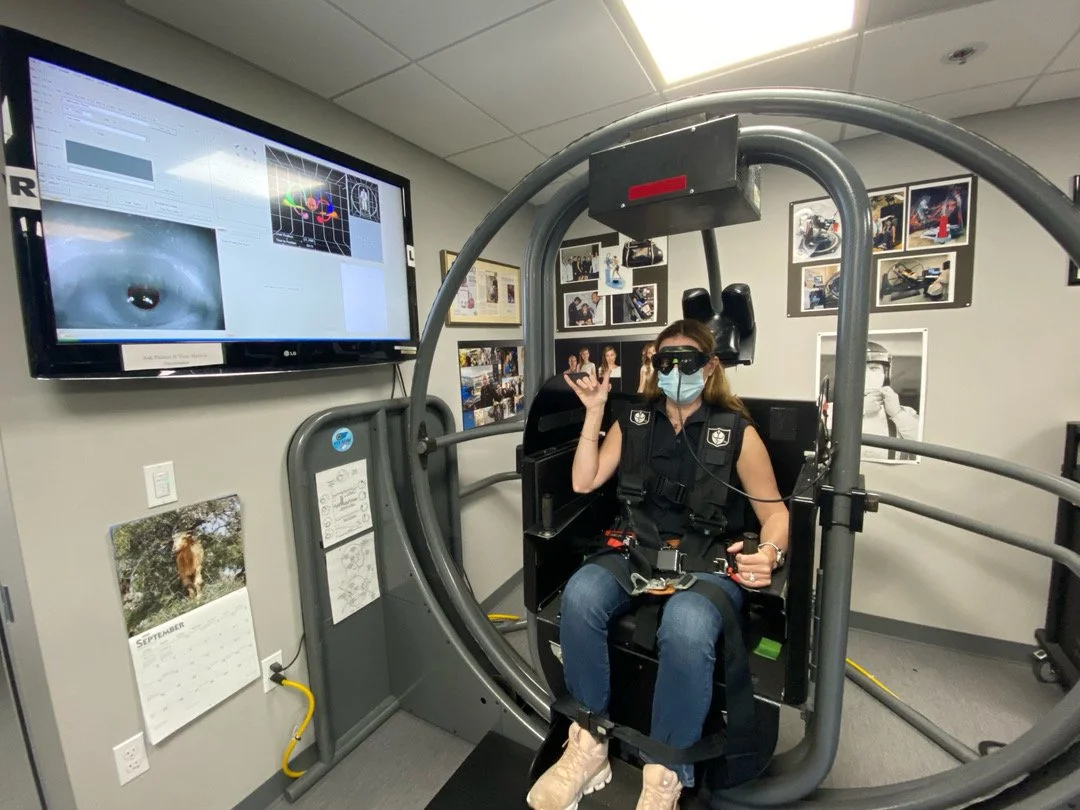
So, she tried. Between appointments, she continued designing homes and running her small jewellery business, squeezing joy from the spaces between pain. But instead of adapting, she deteriorated.
One day in May 2024, Rosee fell down the stairs, dizzy and disoriented. Then came the moment she could no longer ignore. After standing up from her office chair, she couldn’t feel her index or thumb fingers in her right hand. She also felt what she describes as tremendous pressure inside her head — a sensation so alarming she went straight back to the ER.
The MRI revealed 18 tumours in her brain.
The message no one should read alone
The discovery came not from a doctor's compassionate bedside discussion, but through a patient portal message while she sat in the ER. "Suspected malignant metastasis," it read – the devastating news nobody wants to read alone on a screen. A CT scan followed, revealing a 25-millimeter mass in her left lung.
Stage 4 lung cancer with 18 metastases in her brain.
"The words kept echoing, like a horror movie that I wanted to get out of," Rosee recalls. "I had no idea I could get lung cancer. I always did all the yearly checkups. I had no idea that I could even be at risk for lung cancer."
For someone who had always been active and healthy, the diagnosis felt like a huge mistake. But suddenly, the previous two years made horrible sense. The migraines, the vertigo, the progressive decline – it wasn't anxiety or Ménière's disease. It was cancer masquerading as something else, hiding in plain sight while doctors looked everywhere but the lungs.
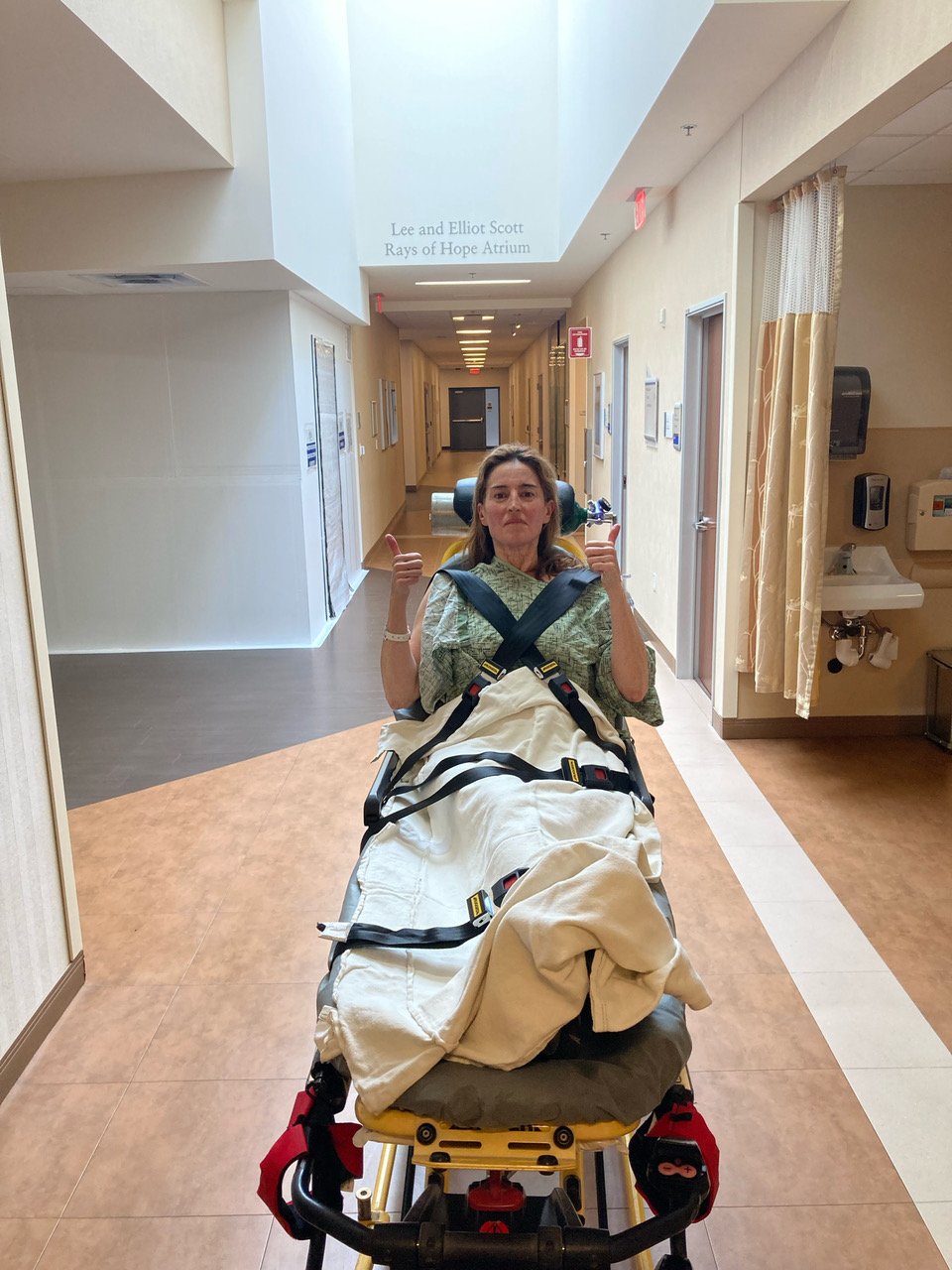
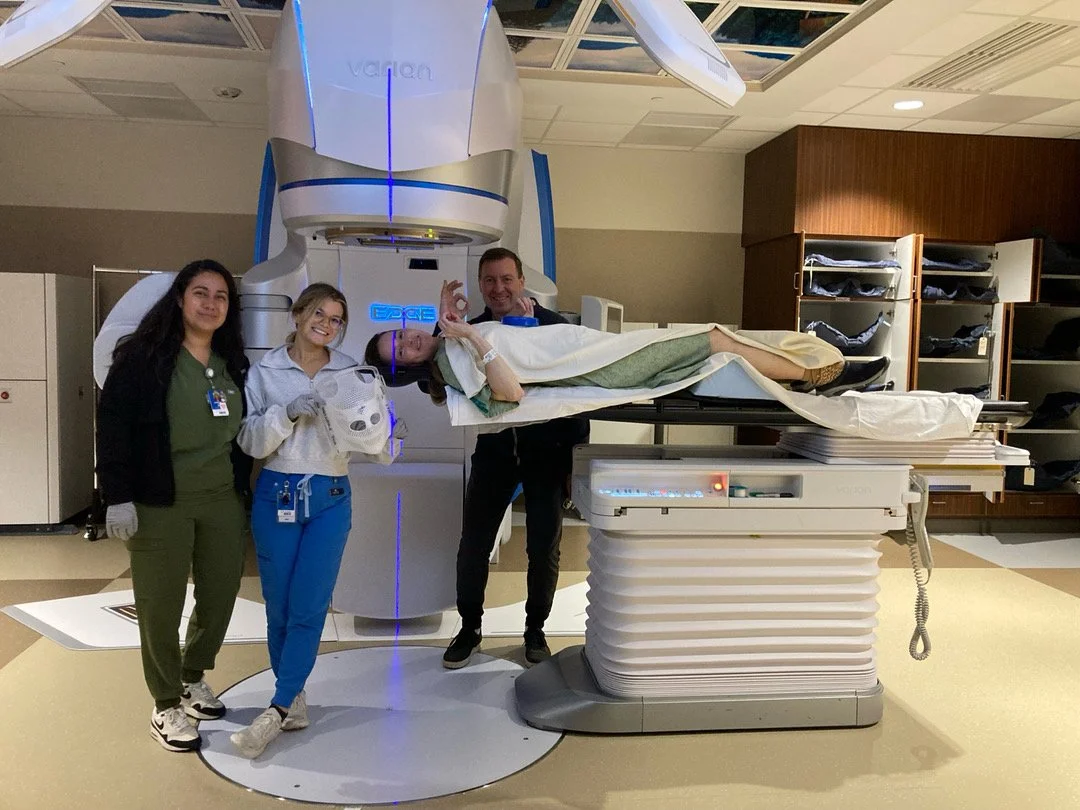
Rosee spent 18 days in hospital receiving emergency brain radiation. Some tumours pressed dangerously close to critical areas. There was no time to wait for biomarker testing. During those days, heavily sedated and fighting through severe hallucinations, she clung to one thought: her children – a 15-year-old daughter navigating the most crucial years of adolescence and a son in college. "I couldn't leave a 15-year-old without a mother," she says. "I had to fight for her. These were the times when she needed me the most."
A game-changing second opinion
Then came another blow: initial testing showed no biomarker mutations. For most lung cancer patients, identifying a mutation means access to targeted therapies that can dramatically improve outcomes. Without one, options narrow considerably.
But Rosee had spent the hospital days researching. She was convinced – with the intuition of someone trained to solve complex problems – that there had to be a mutation. She decided to take matters into her own hands – she asked to be discharged and sought a second opinion.
Thanks to Dr Alessandra Franco her — beloved Italian neighbour, researcher at UCSD, and adored friend. “She told me that I had to get a second opinion. I got an appointment with Dr Sandip Patel ASAP. I am still here thanks to Dr Franco and Dr Patel,” she says.
Dr Patel, a lung cancer specialist at UC San Diego, immediately questioned the initial no mutation result. He was right. The second round of biomarker testing came back with an EGFR mutation – a targetable genetic alteration that could be treated with precision medication.
"Those additional two weeks were worth the wait," Rosee explains. That decision – to trust herself, to push back, to wait – likely saved her life.
Learning to live in eight-week intervals
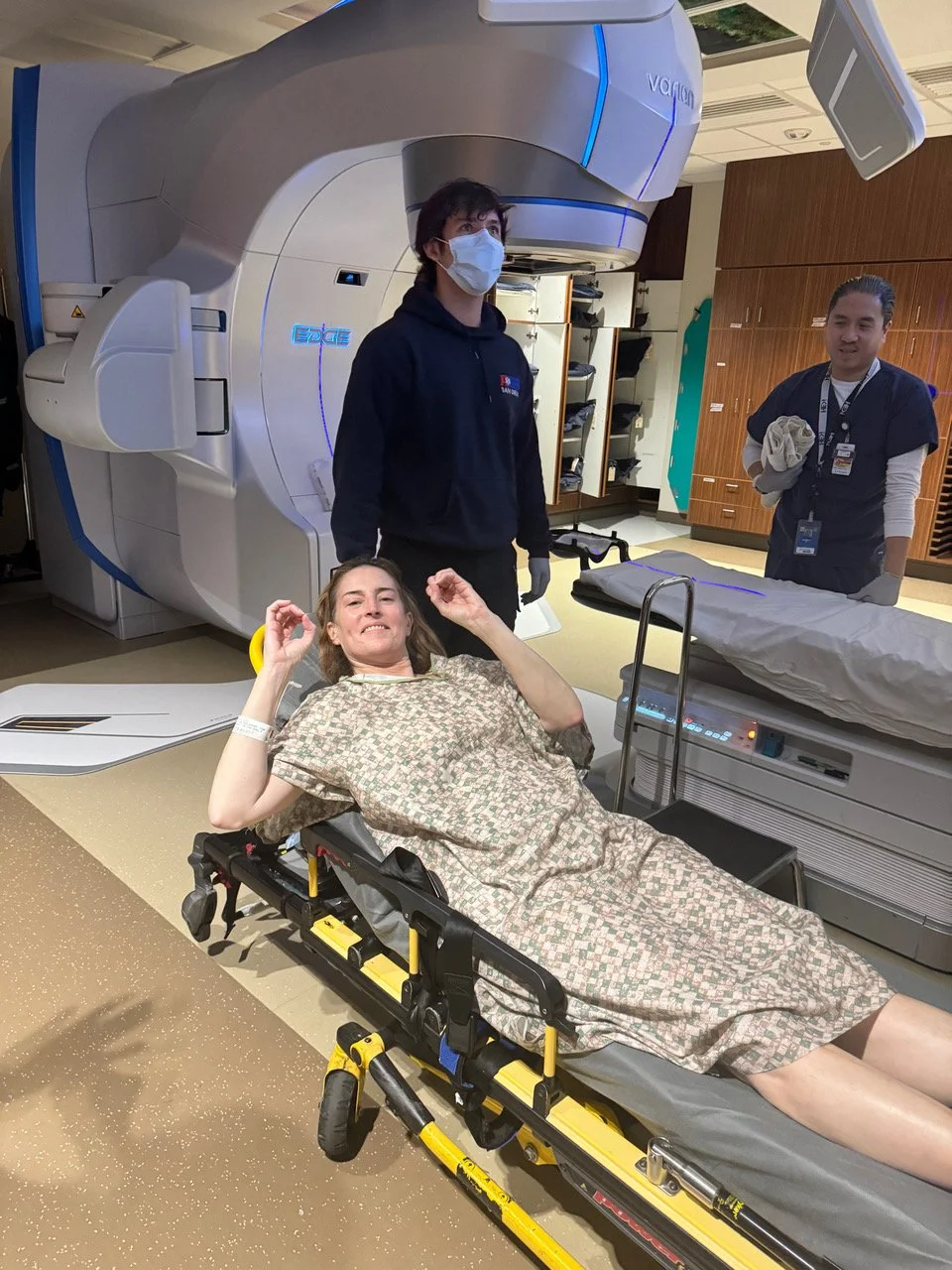
In July 2024, Rosee started Osimertinib (Tagrisso), a targeted therapy designed for EGFR-mutated lung cancer. By August, scans showed a remarkable 90% reduction in all tumours. The vertigo that had plagued her for two years vanished. The migraines became scarce. Her neurosurgeon later told her that cancer often masks itself as Ménière's disease. It was cancer all along.
But cancer, Rosee has learned, is never a straight line. In October 2024 and again in October 2025, she needed additional radiation for areas in her brain that weren't initially treated. She increased her osimertinib dose from one to two pills daily for better penetration into the central nervous system. Now, she's NED – no evidence of disease – in her body and stable in her brain, though the weeks following radiation remain brutal: four to five weeks of extreme migraines and crushing fatigue.
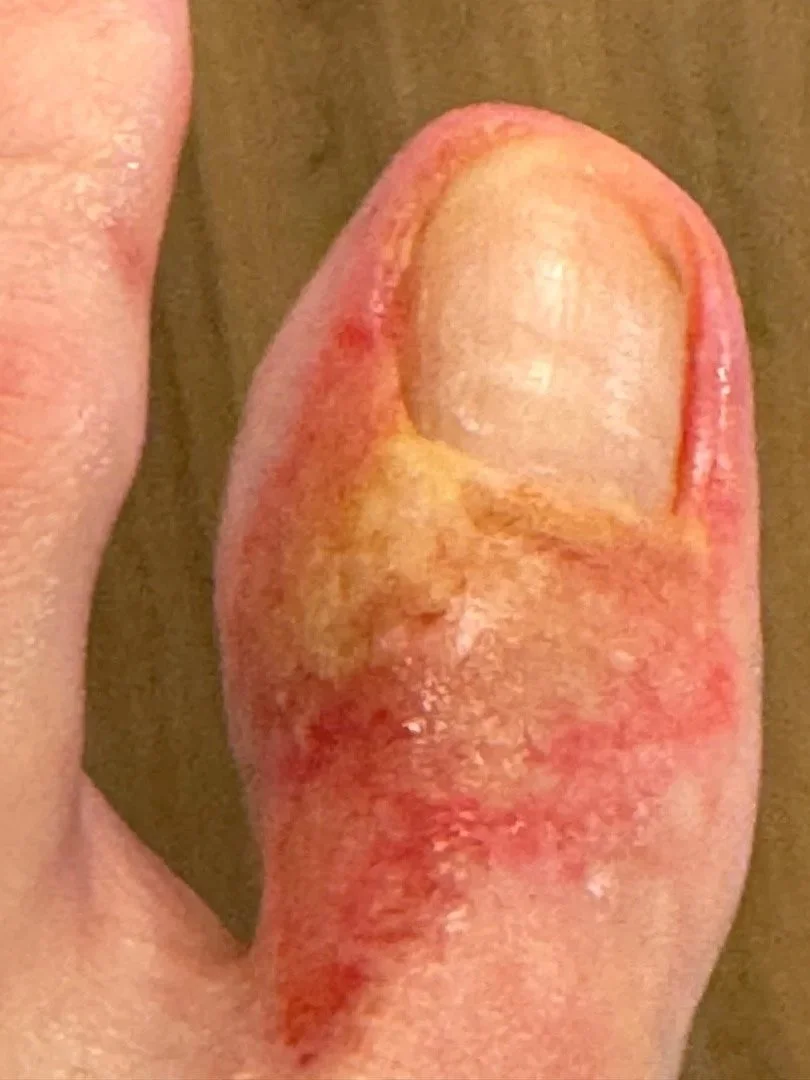
But treatment comes with its own cost. Osimertinib keeps her alive, but it also brings debilitating fatigue and painful paronychia — inflamed, swollen skin around her nails that makes even small tasks feel sharp and punishing. “It’s a constant reminder that nothing about this is easy,” she says. “But I’m still grateful for Tagrisso. I’m here because of it.”
In the quiet spaces between scans – scheduled every eight weeks, which means she can only plan life in two-month increments – she makes jewellery. Every piece she creates, she donates the proceeds to her oncologist's research team at UC San Diego. It's her way of fighting back, of transforming suffering into something that might help others.
The friends who stayed, and the ones who didn't
The social landscape of her life has shifted too. Some friends she expected to call never did. The ghosting, she says, was "very painful." But others emerged as true allies. And social media – something she had deliberately avoided to model healthy behaviour for her children – became an unexpected lifeline. She’s met some unexpected and incredible confidants in the strange country of cancer survivorship.
"You realise what is important and what is not," she reflects. "You learn to appreciate the friends who remain through thick and thin."
She also learned to confront something deeper: childhood trauma and emotional needs she had long buried beneath the demands of caring for everyone else. "It takes being in the hospital gasping for air literally to realise I was ignoring my emotional needs," she says. "Being emotionally healthy is just as important as working out and eating good nutritious food."
What always compounded things was the assumption that she somehow caused this. A young male nurse once asked her in the ER: "Are you still smoking?" The question felt like an accusation.
Waiting those two weeks for the biomarker tests was hard. But worth it.
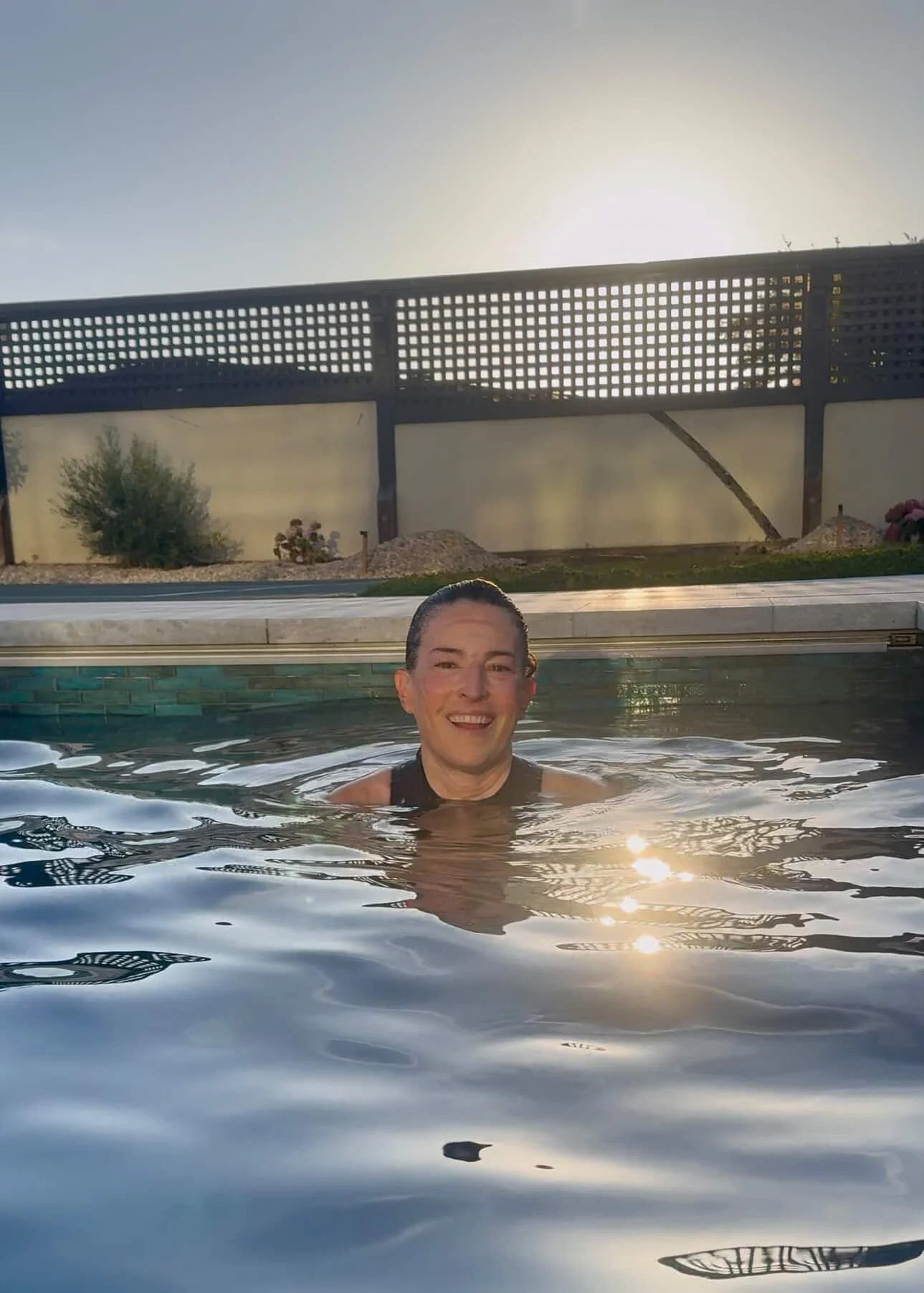
Swimming towards tomorrow
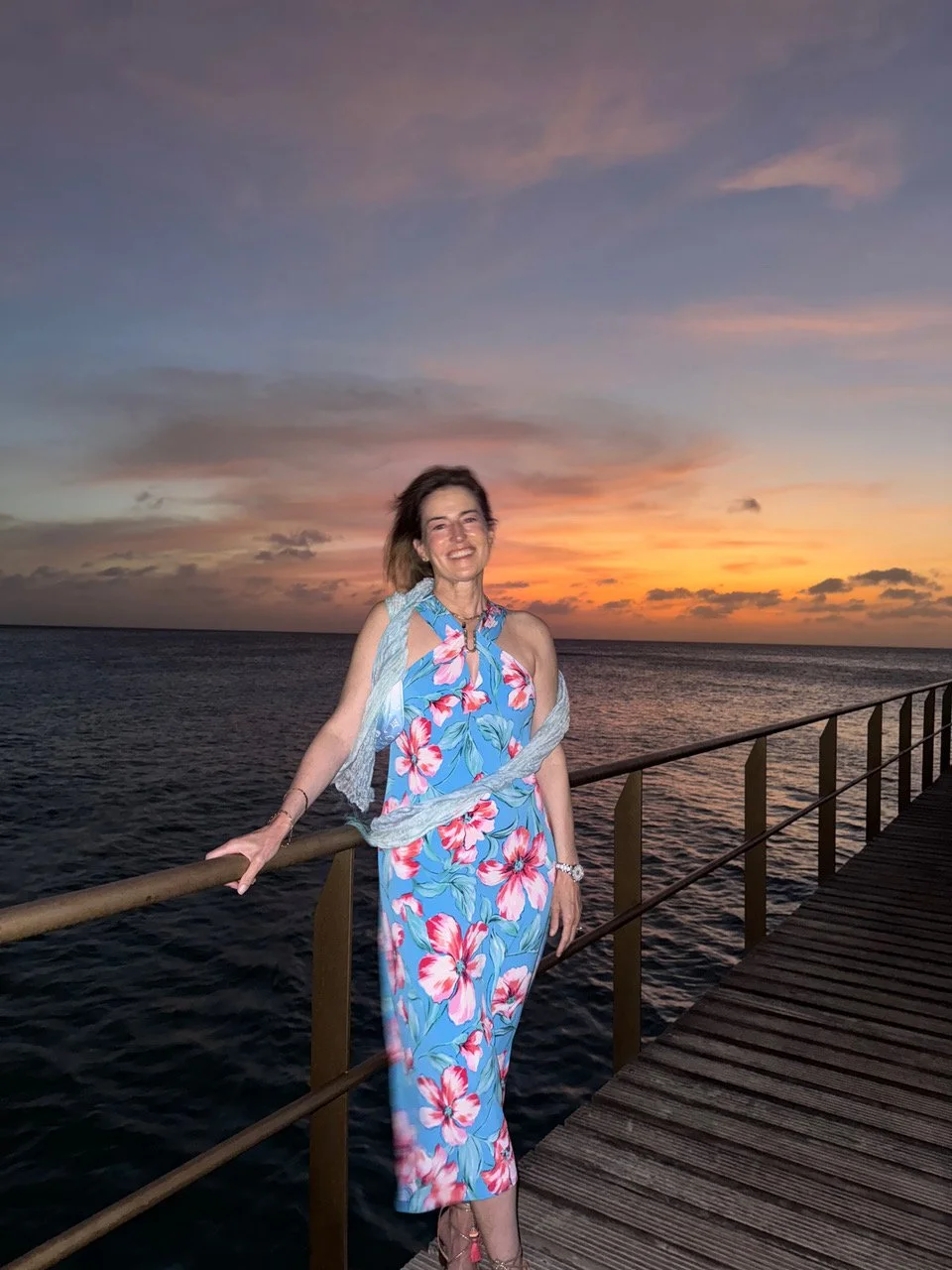
Today, Rosee swims in the ocean whenever she can, finding freedom in the water that she can't always find on land. She plans vacations in those eight-week intervals and cherishes moments when her son visits from college and they're together as a family. She dreams, patiently, of holding a grandchild someday, maybe a decade away or more.
Her advice to others facing similar journeys is simple but hard-won: Don't rush. “Waiting those additional two weeks was hard, but it was the best decision,” she said. “If I had not asked for the second opinion, I probably wouldn’t be here today. The sooner you connect with other lung cancer patients, the better. They have been through it all, and they help you feel a bit more human.”
Two years of vertigo, migraines, misdiagnosis, and uncertainty brought her to the truth she finally has now — a diagnosis, a treatment plan, and a future she is determined to stay for.
December 2025
