
Patient stories.
Get real stories of people living with lung cancer.
Meet Rasika.
At 26, Rasika was treating patients. Then she became one.
I had a clear instinct that this wasn’t an ordinary cough.

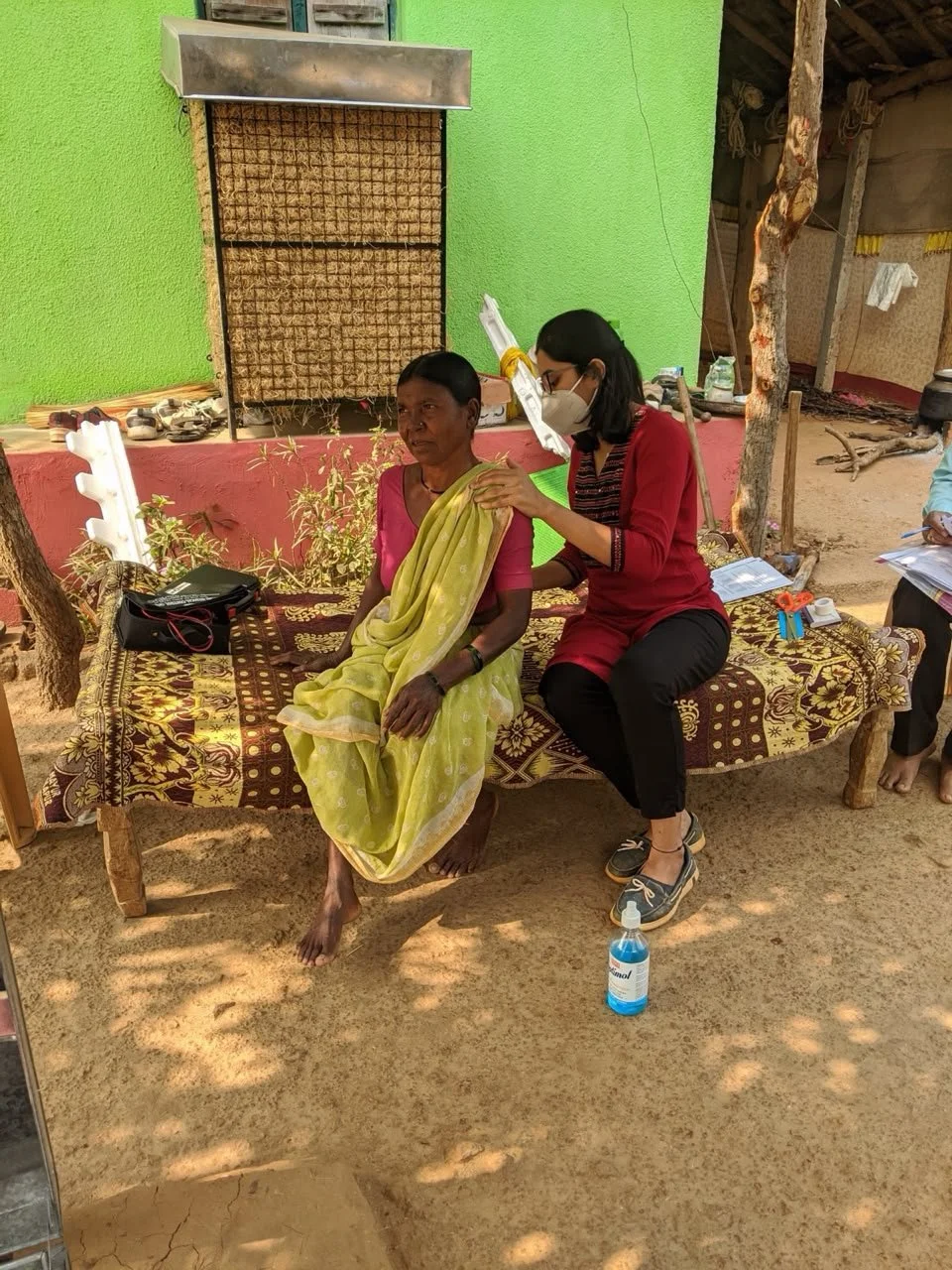
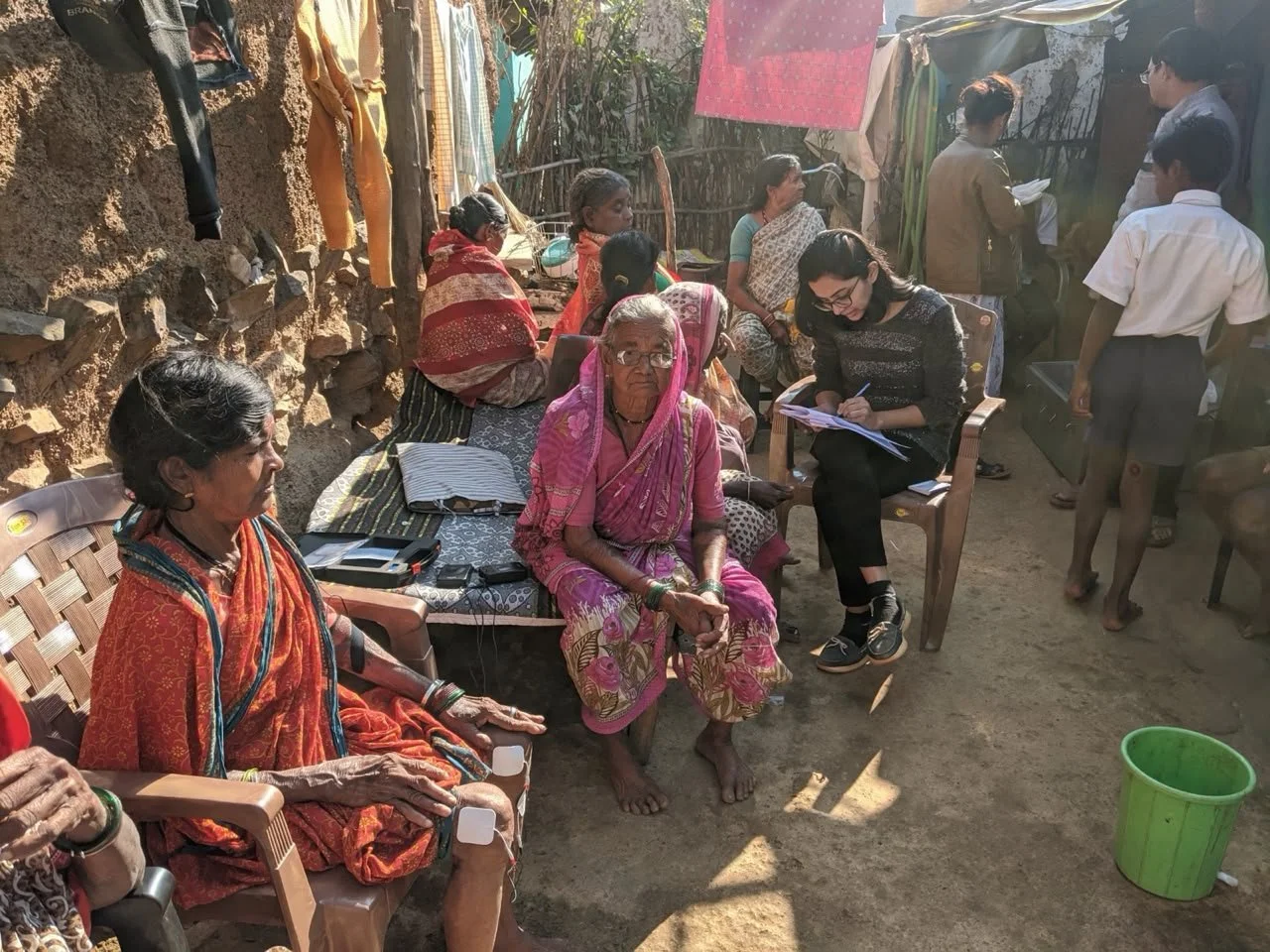
The cough started the way it often can: small, annoying, easy to ignore. Rasika was 26, working as a physiotherapist in a hospital in India — the kind of fit, sporty twenty-something who didn’t get sick. So, when the cough refused to clear after a week, she treated herself. Cough syrup. Rest. The things you do when you assume your body is simply being slow to bounce back.
It wasn’t slow. It was four weeks of the same cough. The doctor she saw met her with a familiar kind of dismissal: she was 26. She left with slightly stronger cough syrup and the same symptoms.
“I had a clear instinct that this didn’t seem to like an ordinary cough,” she says now. So she pushed for an X-ray, until someone finally agreed. The image came back unambiguous: a clear patch on her left lung.
What followed was a monthlong scramble through possibility after possibility. First told it could be residue from COVID, then investigated as tuberculosis, a far more common diagnosis in India than lung cancer in a 26-year-old who has never smoked. She was tested repeatedly for TB, but her cough had turned dry; there was no sputum to test. Weeks went by in this loop — tests that explained nothing, a medical team unwilling or unable to escalate — until Rasika finally convinced them to order a CT scan. This showed the disease had reached her lymph nodes. A biopsy confirmed it. After a month of back-and-forth, in August 2022, Rasika had a diagnosis. She had lung cancer.
Diagnosed by the people she worked with, not for
While working for a hospital has its advantages — she knew people, she could ask directly for tests. It cost her something else.
“Nobody was treating me as a patient anymore,” she says. Her diagnosis was delivered by a general physician, in a room full of colleagues — the very people she worked alongside. While her overwhelming instinct was to cry, she didn’t let herself. “I wasn’t comfortable in that room at all,” she says. “I was holding that back because here I was surrounded by all my colleagues.”
Rasika says she was treated like a professional who knows things — not like someone living through the worst moment of her life. “I don’t think anybody is prepared for a diagnosis like cancer, no matter even if you’re a medical professional,” she says.
The doctor laughed and said you should be worried about more important things than your hair.
Am I going to lose my hair?
Finally, things started moving fast. Too fast. And with no clear treatment plan. There was no complete staging, no biomarker results. Everything was being decided as an as-you-go process.
Rasika was referred to an oncologist and seen within days. Her doctors didn’t wait for biomarker results before booking her first round of chemotherapy. “I got the diagnosis and next week I started chemotherapy,” she says, “and I didn’t even know what that meant.”
Even worse was how she was treated when she asked the doctor if she would lose her hair.
“The doctor literally just laughed and said you should be worried about more important things than your hair.”
Slowly her diagnosis was coming into focus. First, she was told she had stage 3B, non-small cell lung cancer. Between her second and third chemotherapy cycles, the biomarker results confirmed an EGFR exon 19 deletion — a mutation with a targeted drug built specifically for it. For a moment, it sounded like good news.
KNOW YOUR BIOMARKER
EGFR Exon 19 Deletion
EGFR (Epidermal Growth Factor Receptor) is a gene that helps control cell growth. When activated, it triggers signalling pathways inside the cell that regulate growth, repair, and survival. In cancer, this signalling can become overactive, leading to uncontrolled cell growth.In non-small-cell lung cancer, certain activating mutations in EGFR can drive tumour growth. The most common include exon 19 deletions and exon 21 (L858R) mutations, particularly in people who have never smoked and in younger patients.
I couldn’t afford the licensed drug and was advised to take a more affordable locally manufactured version.
A drug that worked, proven by how much it hurt
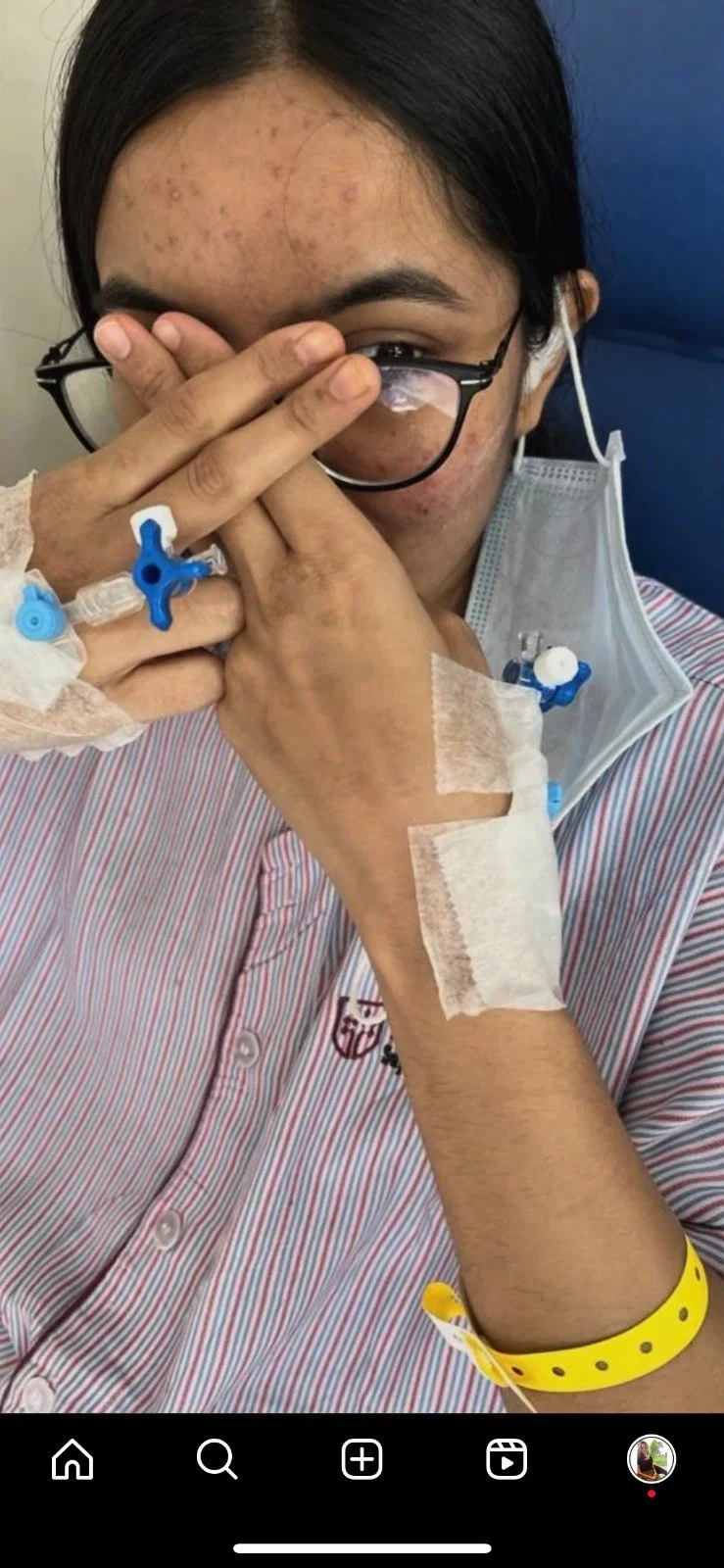
India has no national health system to absorb the cost of a targeted cancer drug. Rasika was 26, technically covered by an employer health plan, but nowhere near enough to cover a treatment that can run to a lifetime of expense. The standard targeted therapy for EGFR exon 19, Osimertinib, was out of reach. So, she and her doctors did what many patients in India do when the original is unaffordable: they turned to a locally available manufactured version of the drug instead.
She was told there was no scan, no blood test, no clean clinical marker to confirm whether this locally manufactured drug copy would work.
“I was told I would know it’s working if I experience the brutal side effects. All I could think of was: is this what science has brought us to, in 2022?”
It worked. After her second chemotherapy cycle, she started the drug — and the side effects were brutal and immediate. A skin rash spread across her face and body, burning and itching at once.
The mirrors, covered for three months
For three months, she covered every mirror in her house.
She stopped speaking to friends. She moved back in with her parents. Some days, she needed help getting to the bathroom.
“That was the lowest point,” she says. “Ever in my life.”
She and her doctors paused the locally manufactured alternative and continued the course of chemotherapy— it had already done what it needed to do. Continuing through chemotherapy was too aggressive for her body to bear. But the damage to her sense of herself took longer to undo.
“My parents were there to help me — bring food to my bed, take me to the bathroom, everything,” she says. “It was the lowest point of my life.” Her friends, mostly fellow physiotherapists, came every day, coaxing her through breathing exercises and small movements. “It was really good to be around those who kept pushing me to not give up.”
My only role in shared decision-making was what I could afford.
The insurance stopped although the cancer had not
When chemotherapy ended, scans brought good news: the cancer beyond her lung had retreated, contained now to one lobe — small enough for surgery. Surgery had never been discussed as part of a plan, because there had never really been a plan.
As soon as her insurer realised her cancer would require long-term care, Rasika says, the company began looking for a way to drop her. It succeeded. Her chemotherapy had been covered. The surgery was not. Neither was the drug she still needed to stay on afterward.
Again, her family paid out of pocket.
“Most of the decisions depend on financial capacity,” she says. “If you have the money, you do this. If you don’t have the money, we’ll have to talk.”
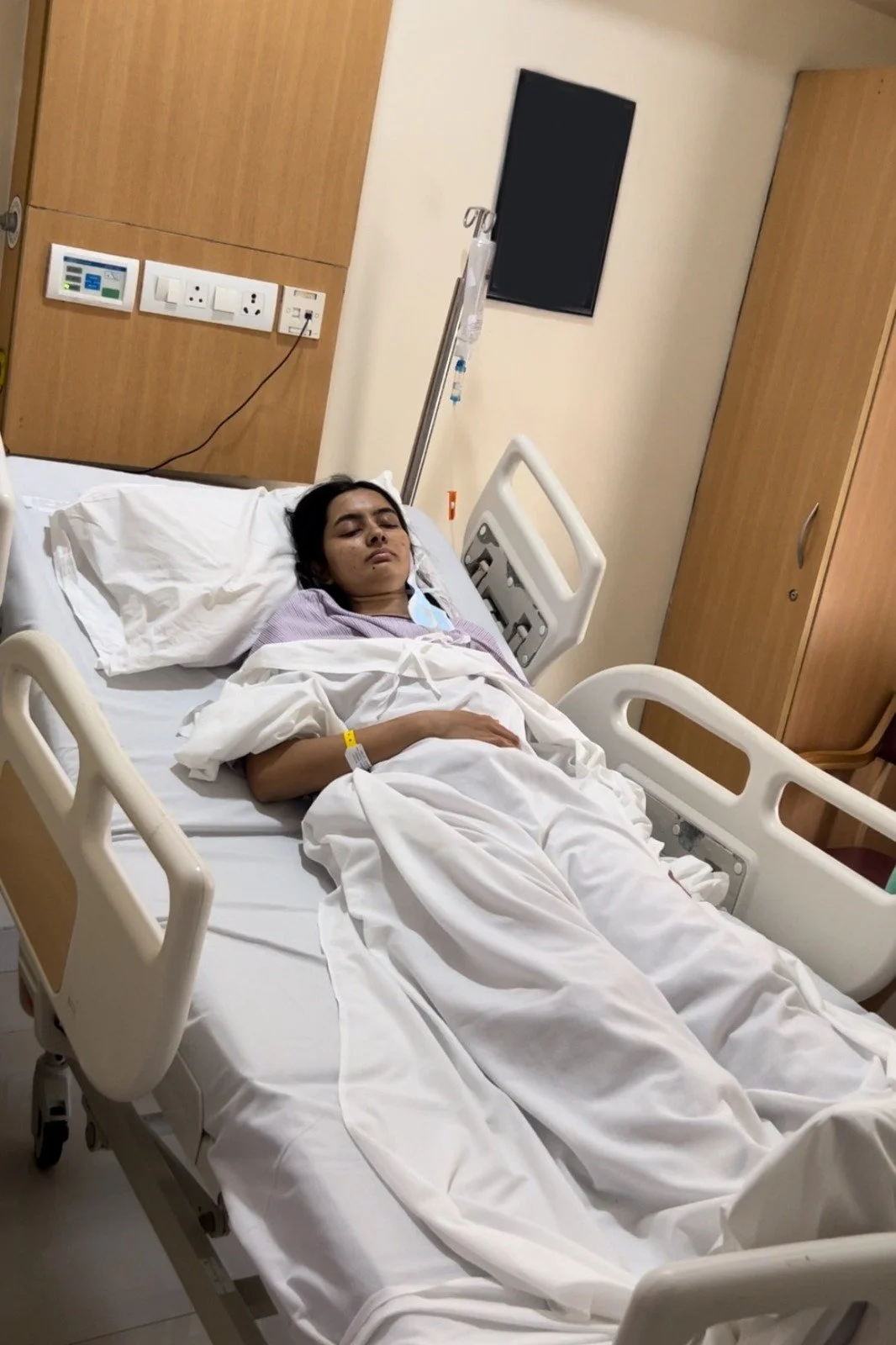
“Shared decision-making was just non-existent,” Rasika says. “Every aspect of treatment was one surprise after another.” Decisions, when they came, were less collaborative conversations than financial verdicts.
“Ultimately, my only role in shared decision-making was what I could afford.”
In December 2022, fifteen days before her 27th birthday, Rasika had surgery to remove the cancerous tissue from her lung. It went well. Once recovered, she restarted the same generic drug — the same rash, a risk she chose to take on anyway.
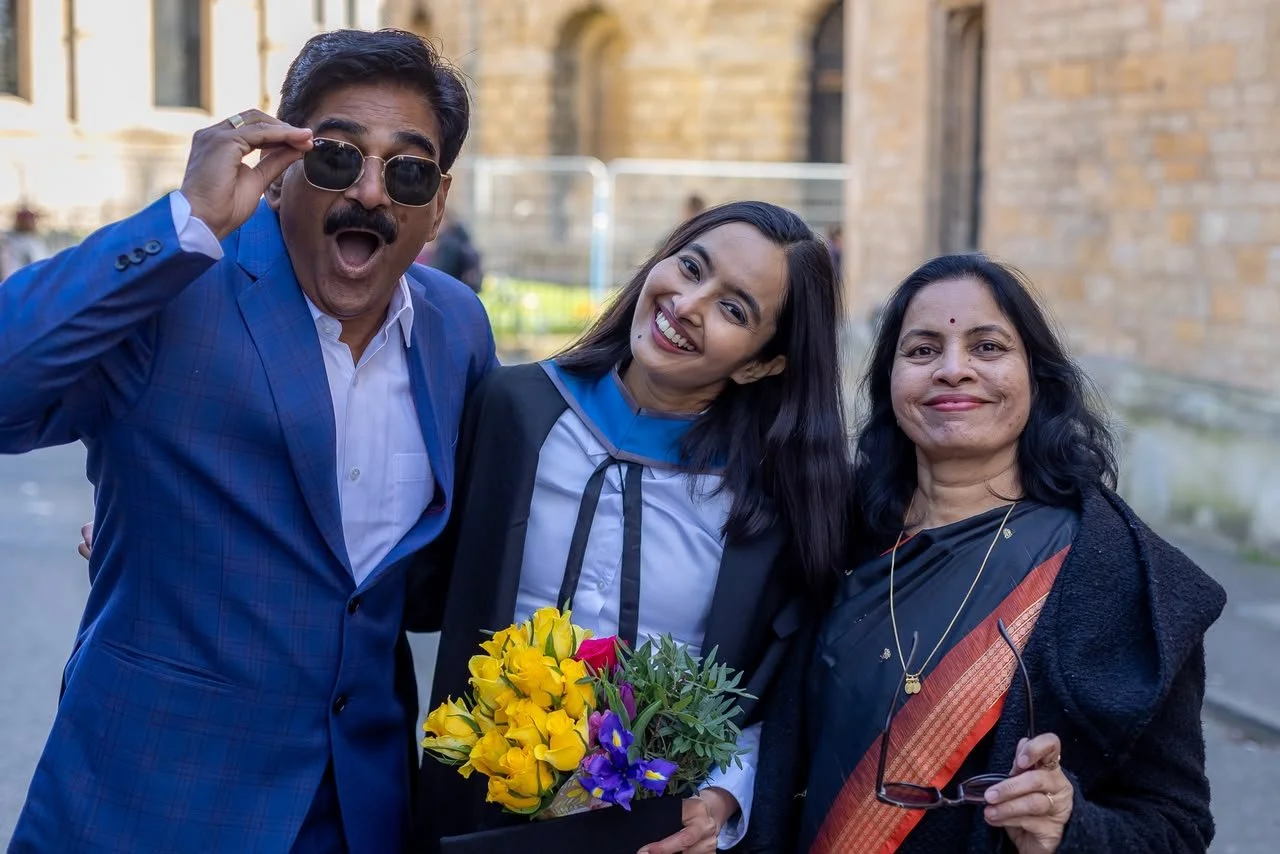
Two countries. One drug.
The copycat drug brought other smaller indignities, too. Severe ingrown toenails, a known side effect, became so painful she couldn’t walk. Her college arranged a transport grant so she could still get to where she needed to go.
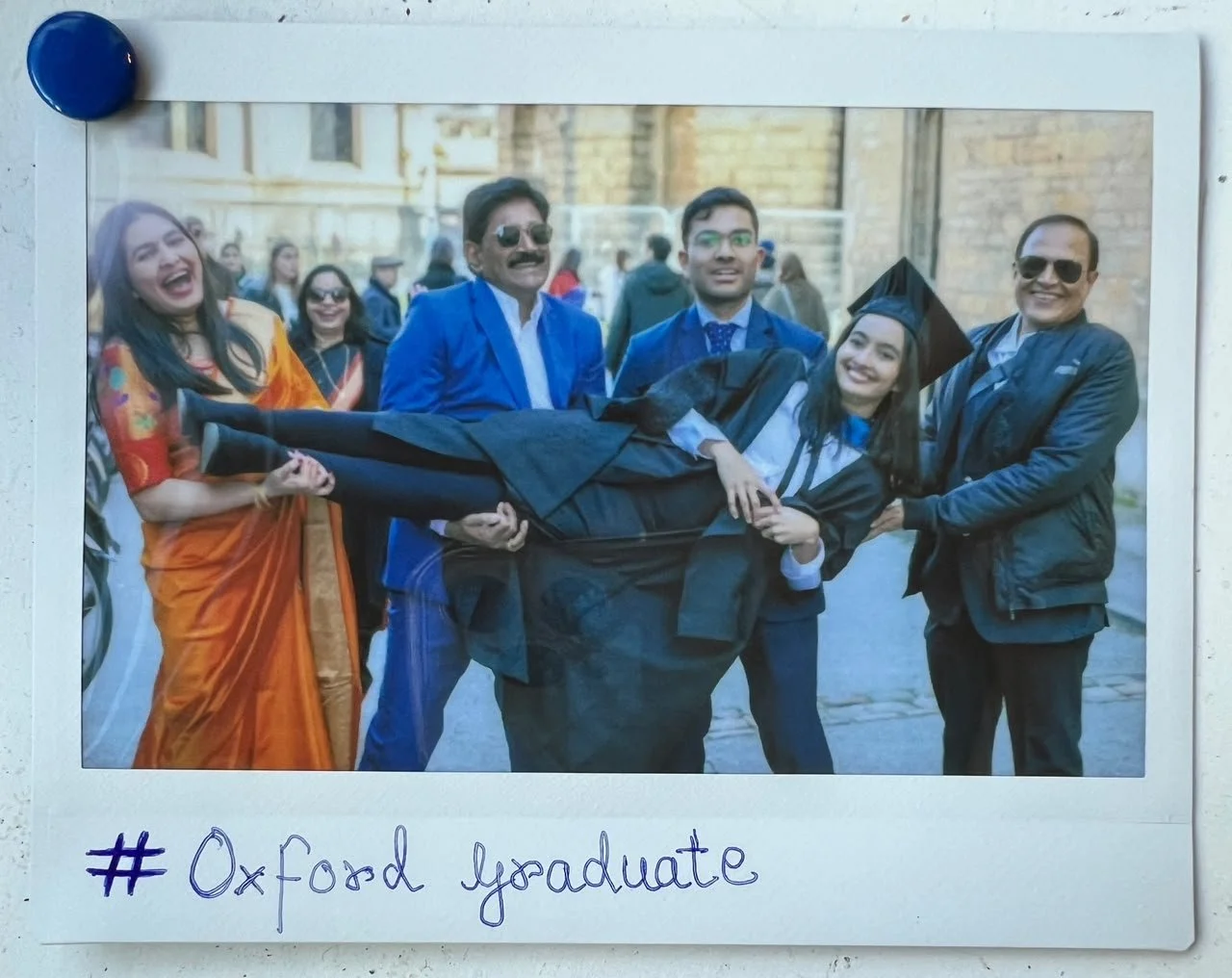
Her parents financed the drug throughout – three years of it – and every six months, Rasika flew back to India to collect it in person, because UK import rules meant it couldn’t simply be shipped. Each trip home came with its own cost: she fell sick within the first week, almost every time, from the pollution and water she’d once been used to.
In January 2026, after three years on the drug, with scans clean and stable, Rasika and her UK oncology discussed what came next. “The doctors here presented two sides to me. They also shared their advice. Together, we decided to stop,” Rasika says.
It took roughly three months for its effects to fully wane, and others —like tinnitus, lingering toenail issues — may never fully go.
“I just want to be able to live without this whole hospital-setting burden.”
Rasika right now is not interested in mapping out what comes next if the cancer returns. Her doctors offered a sketch if it does – restarting the same drug remains an option, since it never stopped working.
Patients are more than emotional and decorative stories. If everything is for patients, then why aren’t we in the rooms where decisions are made?
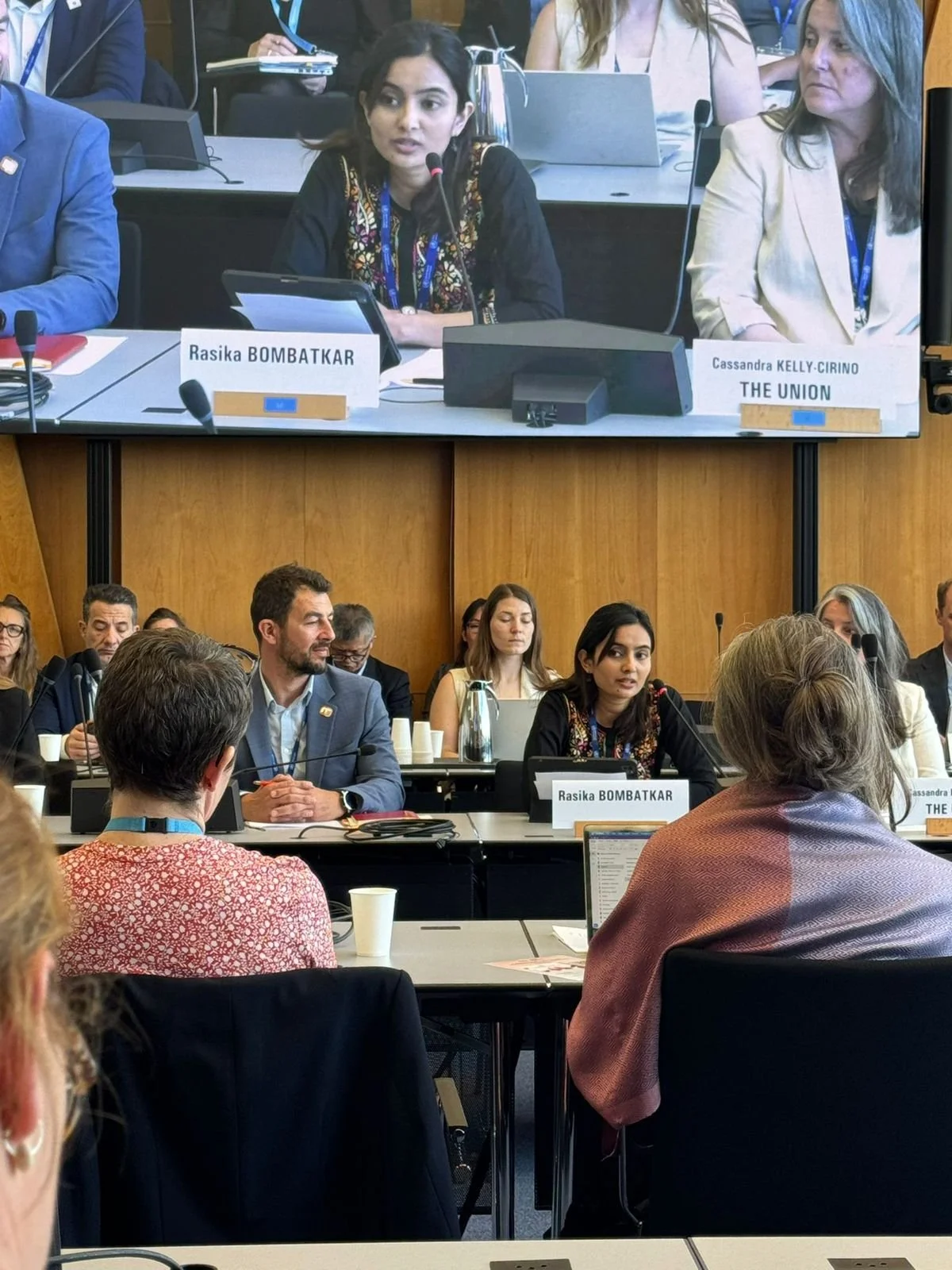
A seat at the table, not just a story to tell
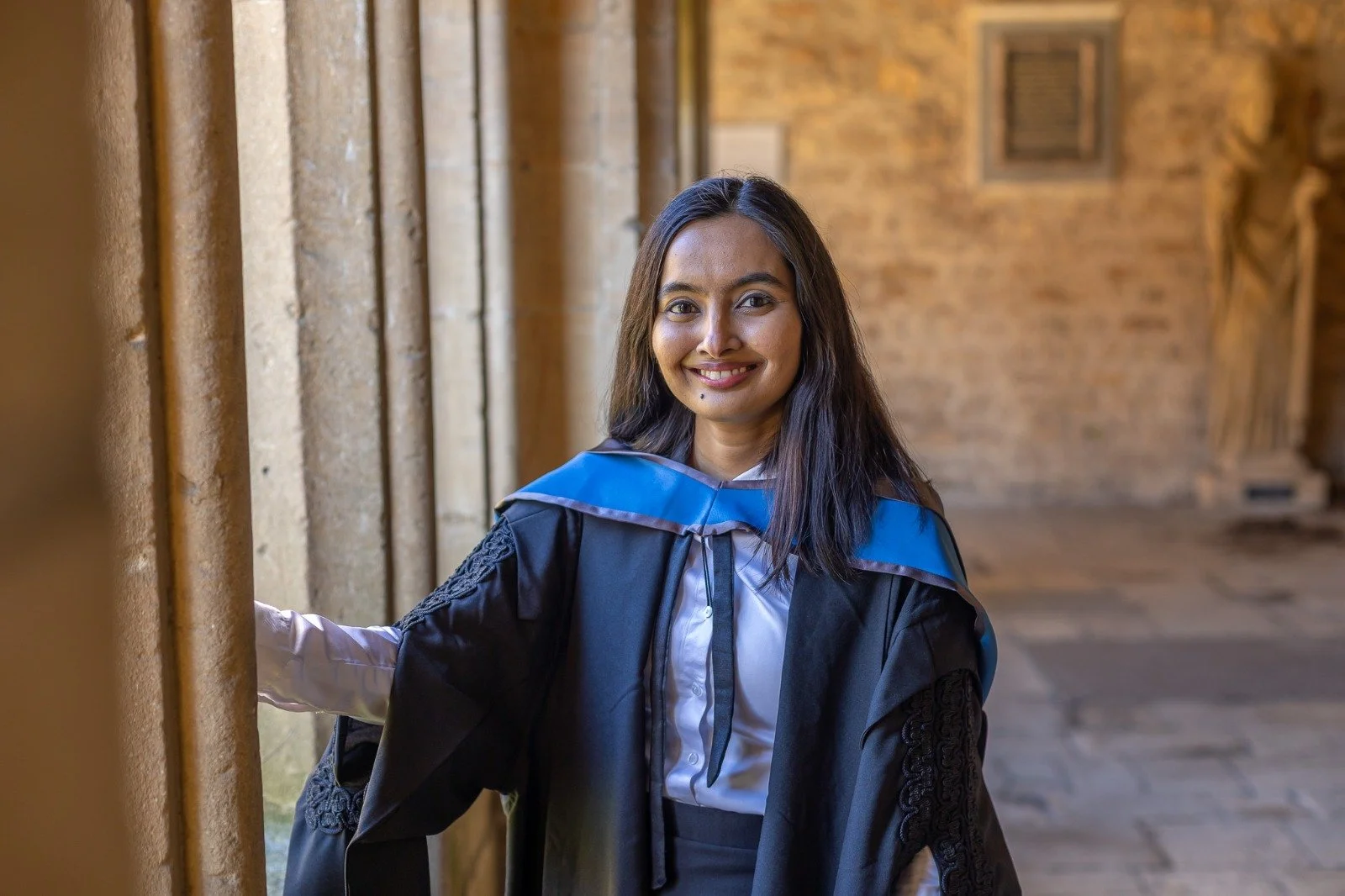
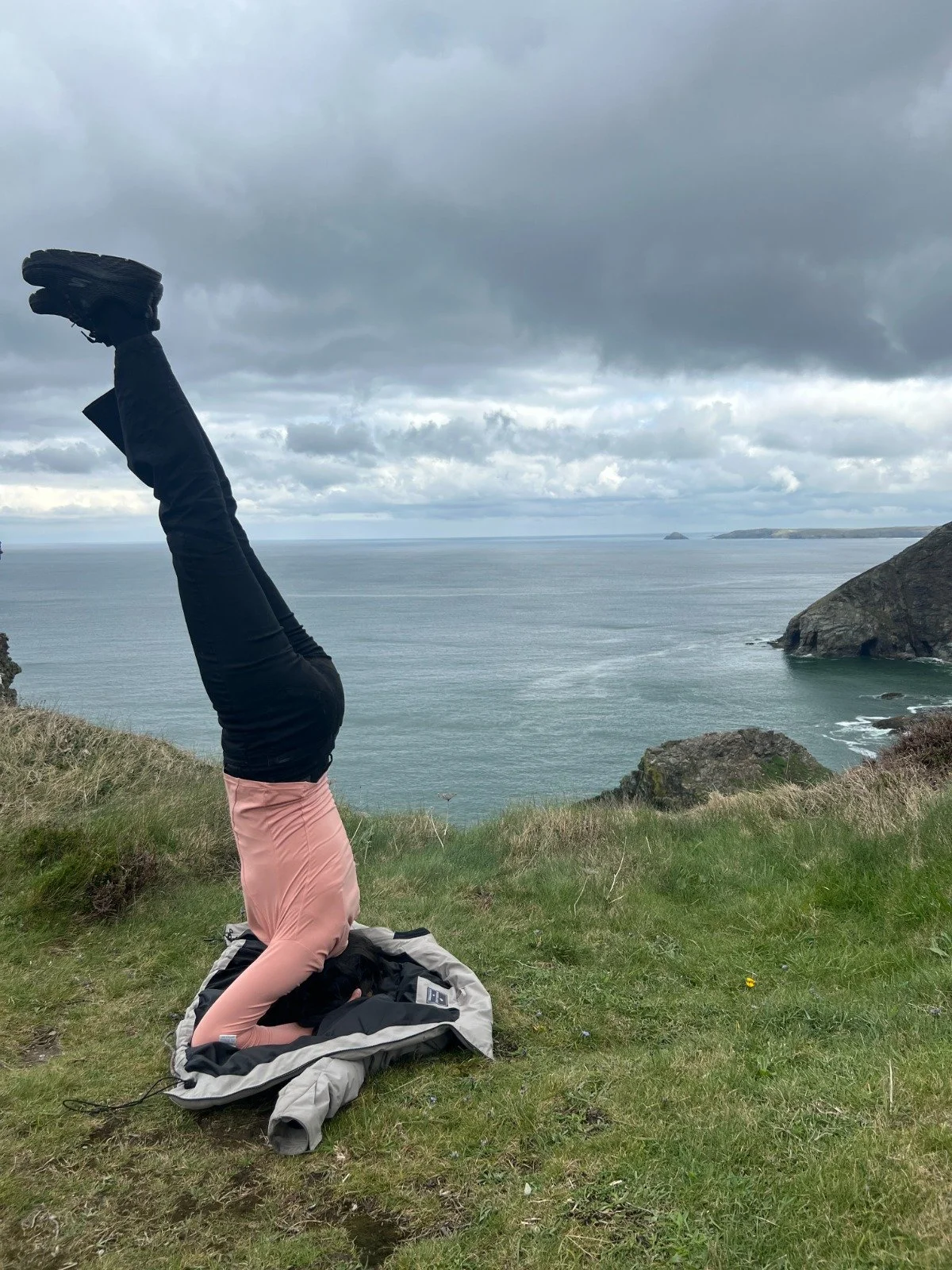
Four years on, Rasika’s life is hard to recognise. She lives in Oxford, works, and gets her scans. She also uses her experience to advocate for change.
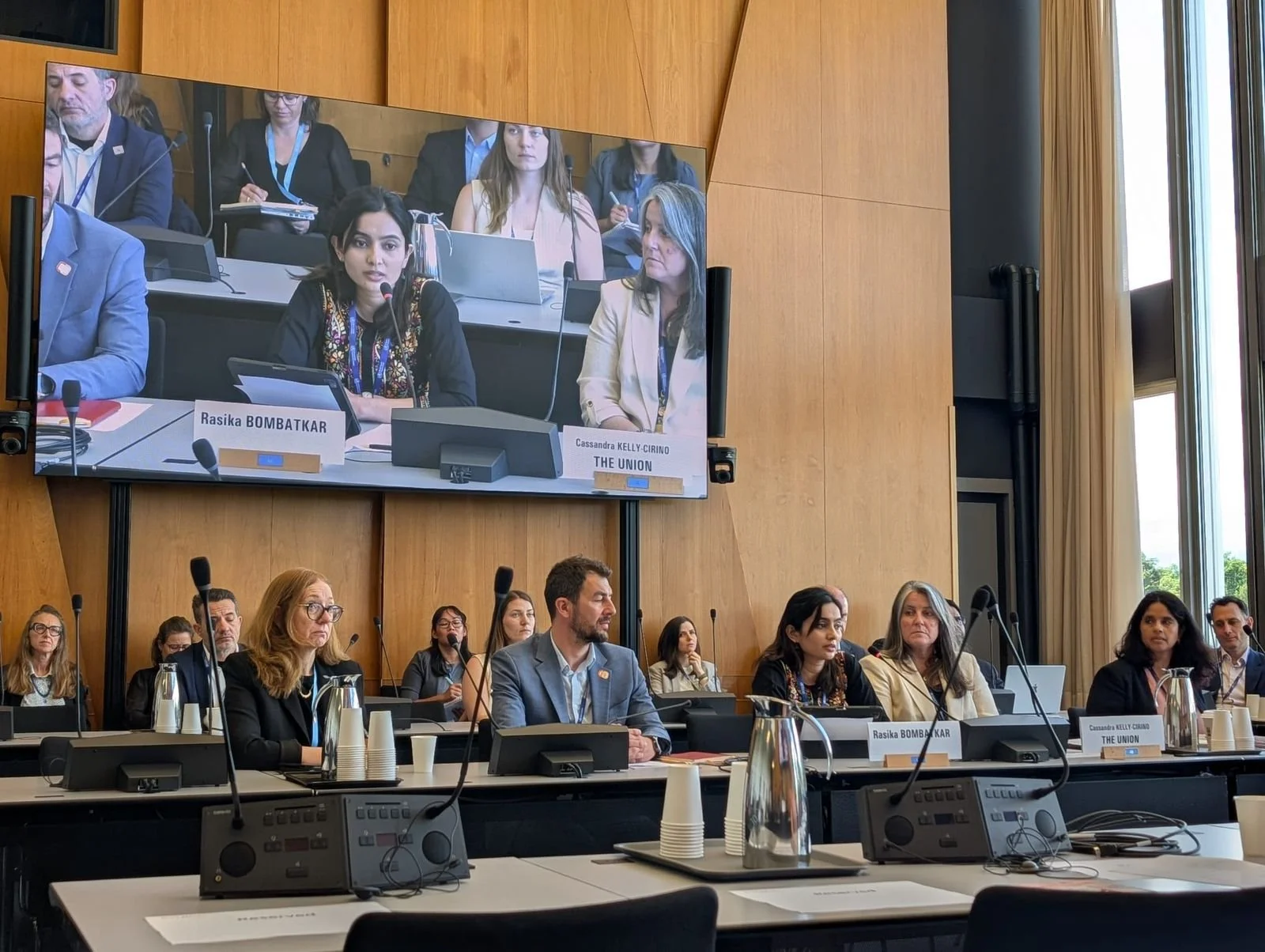
That conviction took her, this year, to the World Health Assembly in Geneva invited by UICC, where she spoke as a patient advocate in a room full of ministries and policymakers. Rasika challenged everyone: “Patients are more than emotional and decorative stories. If everything is for patients, then why aren’t we in the rooms where decisions are made?”
Rasika has seen how treatment options are often defined not by disease alone, but by what people can access in their country. Her body carries the lingering effects of treatment. But the 26-year-old who once had no voice in her own care is now determined to use it to be a part of change.
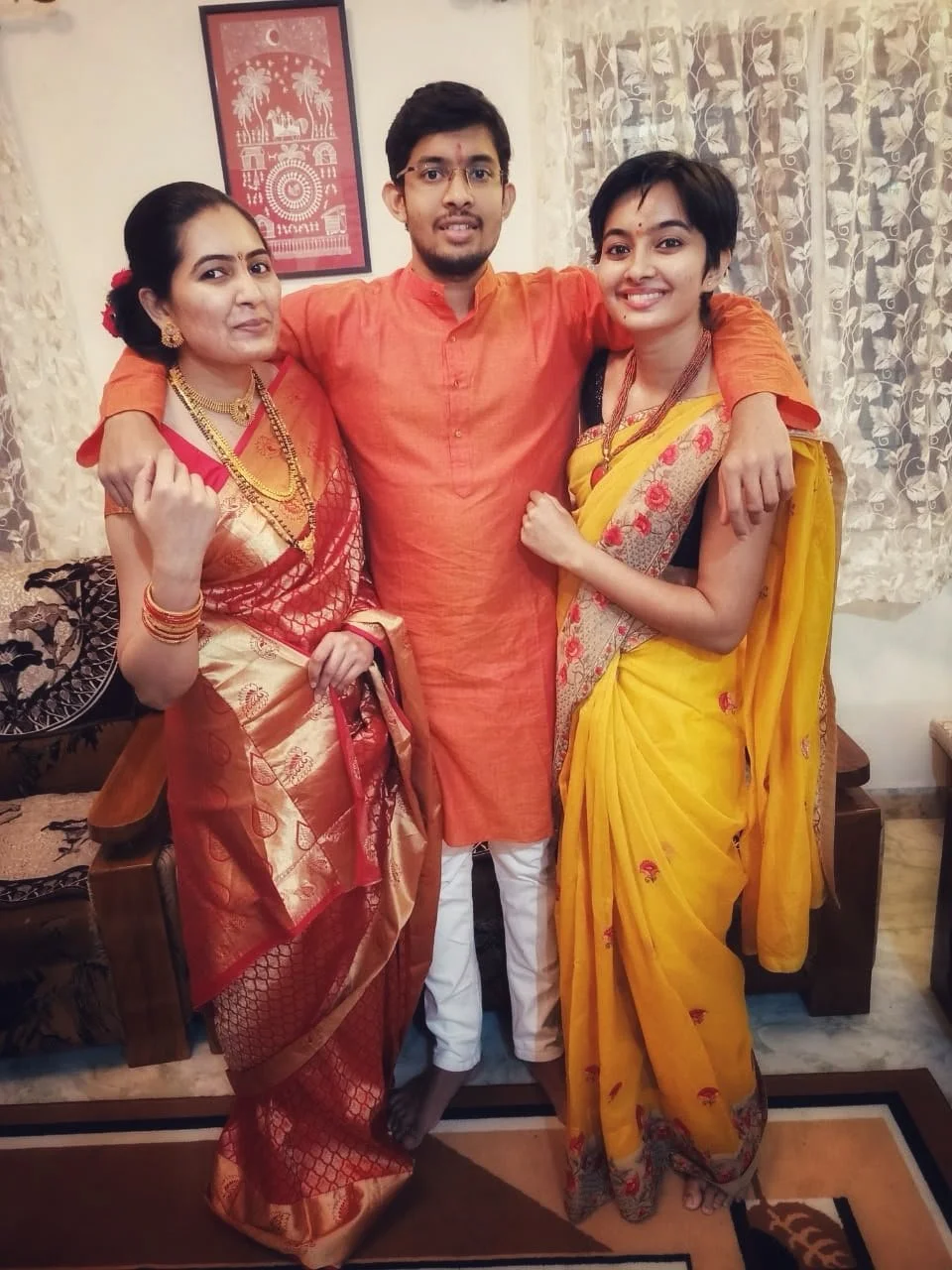
June 2026
Watch Rasika’s Patient Voices podcast interviews.
Told it was just a cough. It was lung cancer at 26.
Going through surgery, chemo and finally targeted therapy.