
Patient stories.
Get real stories of people living with lung cancer.
Meet Mayya.
At 38, she had the newborn, the toddler, the big career and the happy marriage. Life was going to plan — until stage 4 ALK+ lung cancer changed everything, then refused to follow the script.

It’s probably nothing is not a diagnosis.

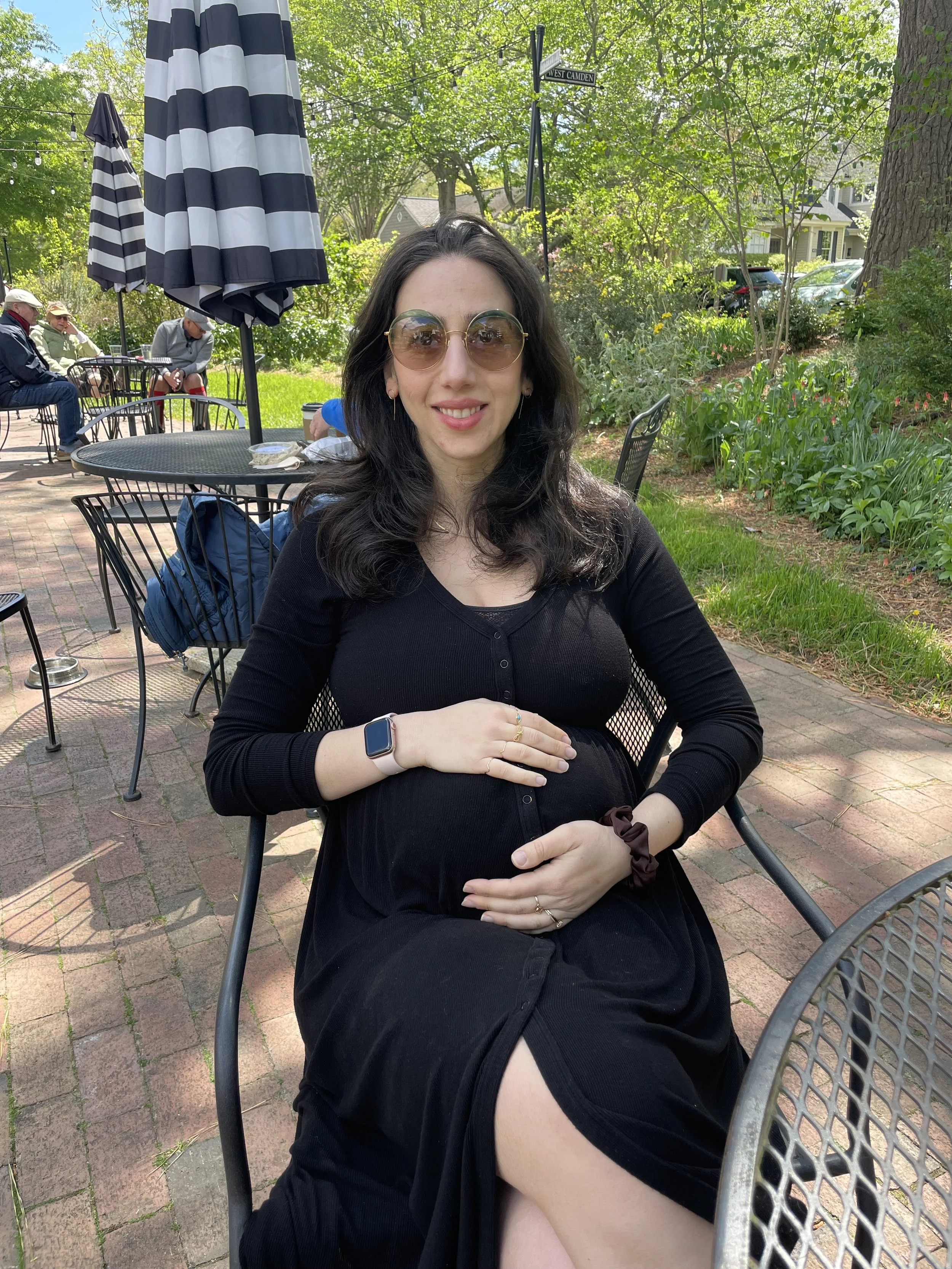
Mayya’s second pregnancy felt different from the start. Not in a way that set offalarms. Just different. With her first baby, everything was typical. With her second, the hunger never came. She had to schedule meals and count calories upward, not down. Mayya kept raising it at appointments. The response? Every pregnancy is unique. It’s probably nothing.
"What’s normal for the average person is not the same as what is normal for you," she says. "I knew this wasn't normal for me."
Maya’s first baby weighed over nine pounds. Her second daughter was born six pounds — smaller than expected, but healthy – in July 2024. Around the holidays, the cough started. Barely a cough at first. Everyone else in the house recovered from the seasonal colds moving through the family. Mayya didn’t.
It was her mother who finally said it aloud. On the drive to the grocery store, she said to Mayya: “I don’t like your cough. Something isn’t right.”
A GP suggested sinus issues and cough syrup in April 2025. Mayya reflected on this sitting in the car in the parking lot afterward, then drove straight to urgent care.
“‘It’s probably nothing’ is not a diagnosis,” she says.
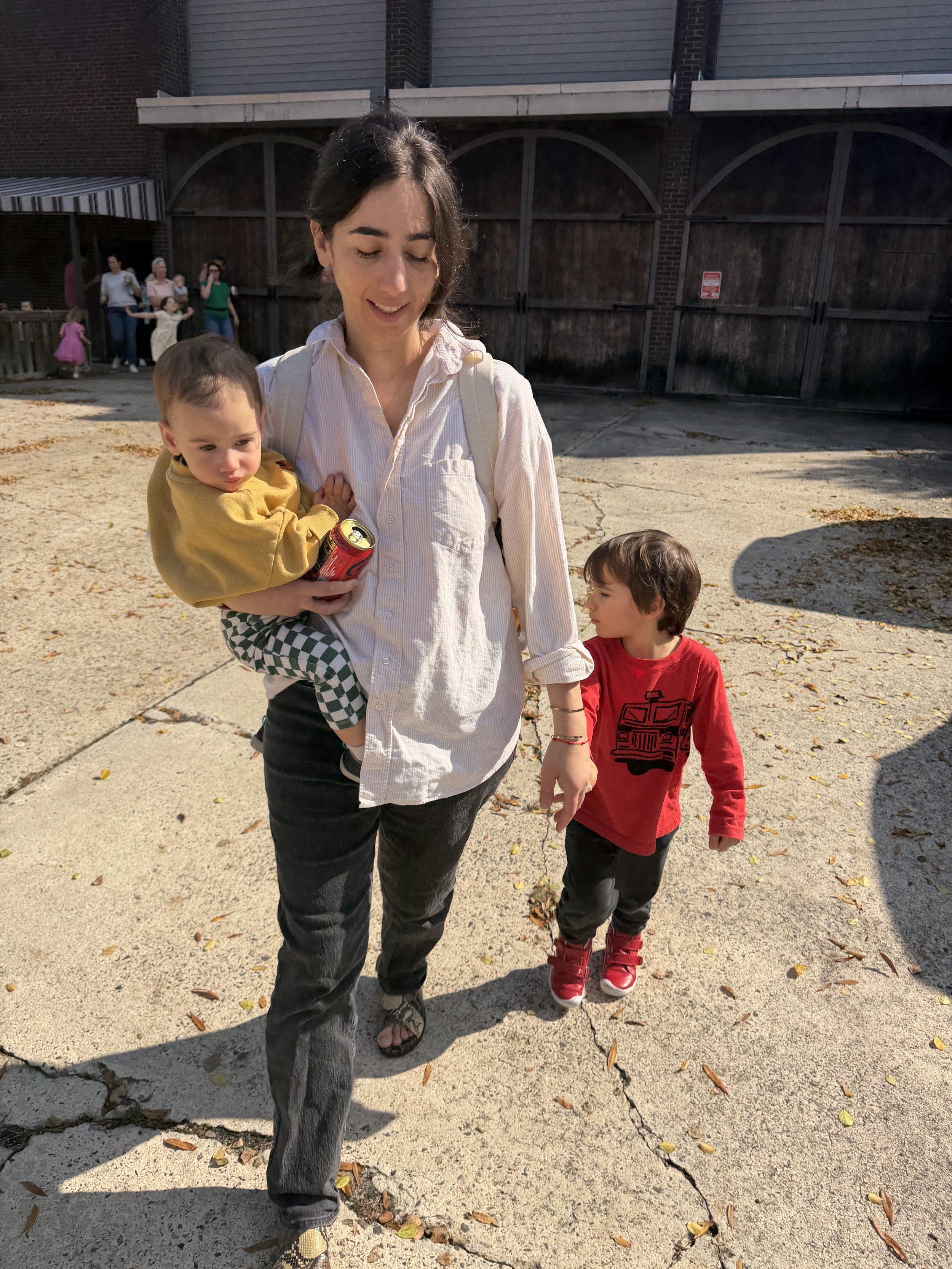
Her inner voice
Urgent care gave her an X-ray. It looked like pneumonia. Antibiotics were prescribed. Then days later on Mother's Day — playing on the floor with her children, she felt too breathless to keep up.
She went back.
A D-dimer, a blood test that detects abnormal clotting activity, came back off the charts. A CT scan revealed a mass. Everything went from slow motion to moving all at once.
She was alone in a beach house bedroom when her patient portal pinged with the results.
The PET scan lit up “like a Christmas tree.” Biopsies confirmed metastatic adenocarcinoma. Origin: lung. Every lymph node. The bones. No clean margins.
"In that moment I was convinced I was dead and that I wouldn’t see next week."
The best news under the circumstances
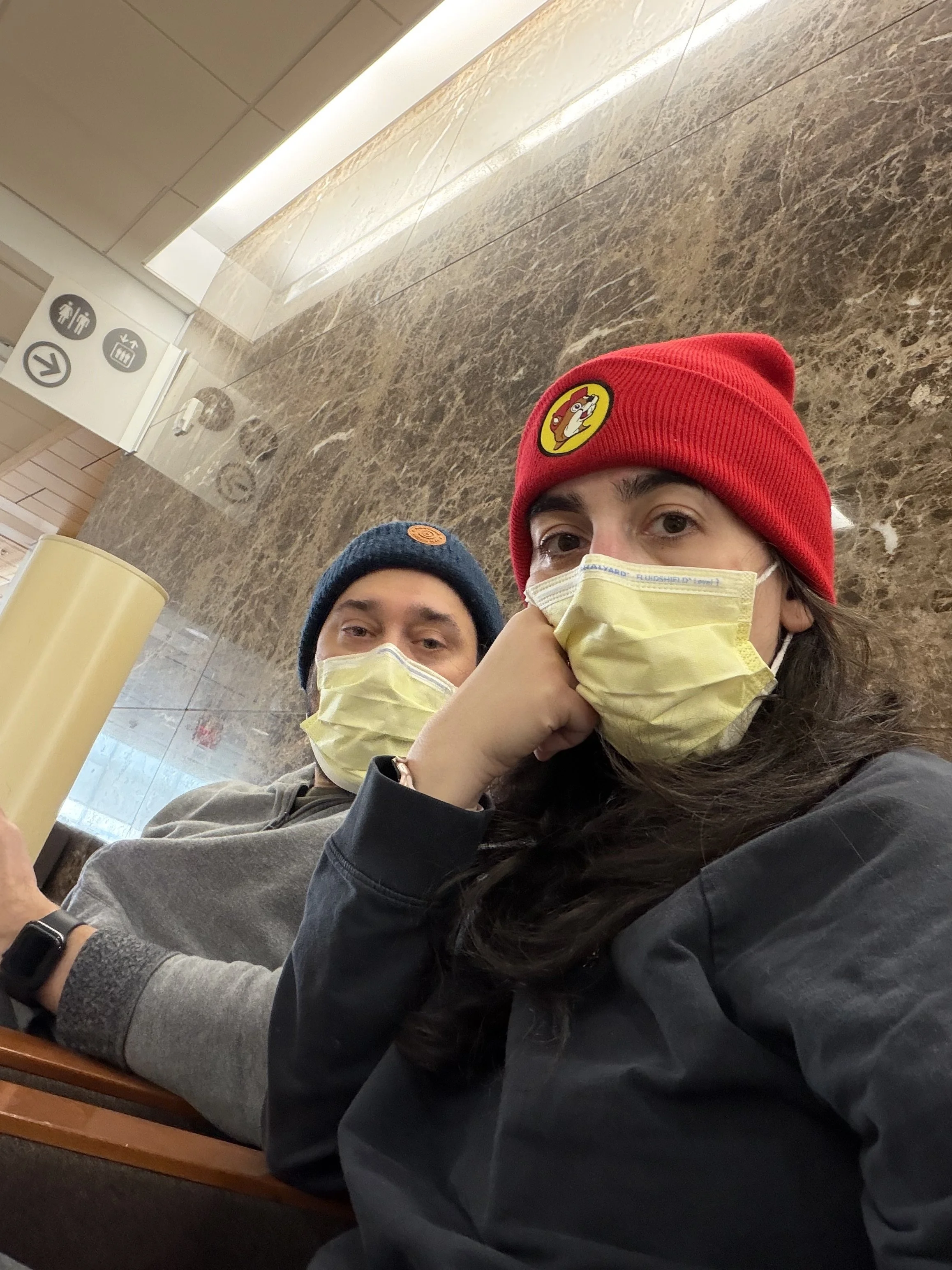
What Mayya did not yet know was that her cancer carried a mutation that would dramatically change her options.
Her oncologist at Duke Cancer Center ordered biomarker testing alongside a brain MRI. Days later, a prescription appeared in her patient portal: lorlatinib.
Her husband Googled it immediately.
“This is how we found out it was ALK,” she says. “He looked at me and said, ‘Mayya, it’s one of the ones we hoped for.’” They agreed to act surprised when the doctor told them.
The next morning, their oncologist walked into the room smiling.
“This is the best news I can give you under the circumstances,” the oncologist told her. He explained the CROWN trial data — progression-free survival measured not in months but in years. He told her about other ALK patients in his practice living normal lives on daily pills. Then he encouraged her to join the ALK Positive patient community online, because she would benefit from other people who lived and understood it.
“Kids don’t really make memories until they’re five,” Mayya says. “I went from believing my children would grow up without memories of me to thinking maybe I would see them graduate college. I felt like this wasn’t a crapshoot in the dark."
KNOW YOUR BIOMARKERS
ALK
The ALK (anaplastic lymphoma kinase) gene is highly active during embryonic development, providing the blueprints for a protein that helps grow the nervous system and brain cells. In adulthood, the ALK gene largely becomes inactive.When the ALK gene accidentally switches on, it can cause ALK-positive lung cancer, accounting for 3–5% of non-small cell lung cancer cases. This subtype typically affects younger individuals with little to no smoking history. The median age of diagnosis is 52. Today, there are now multiple generations of ALK inhibitors rather than a single ALK treatment. Comprehensive biomarker testing is recommended for patients with lung adenocarcinoma regardless of age or smoking history.
My first house collapsed when I was diagnosed with lung cancer. The second when my targeted therapy stopped working after such a short time.
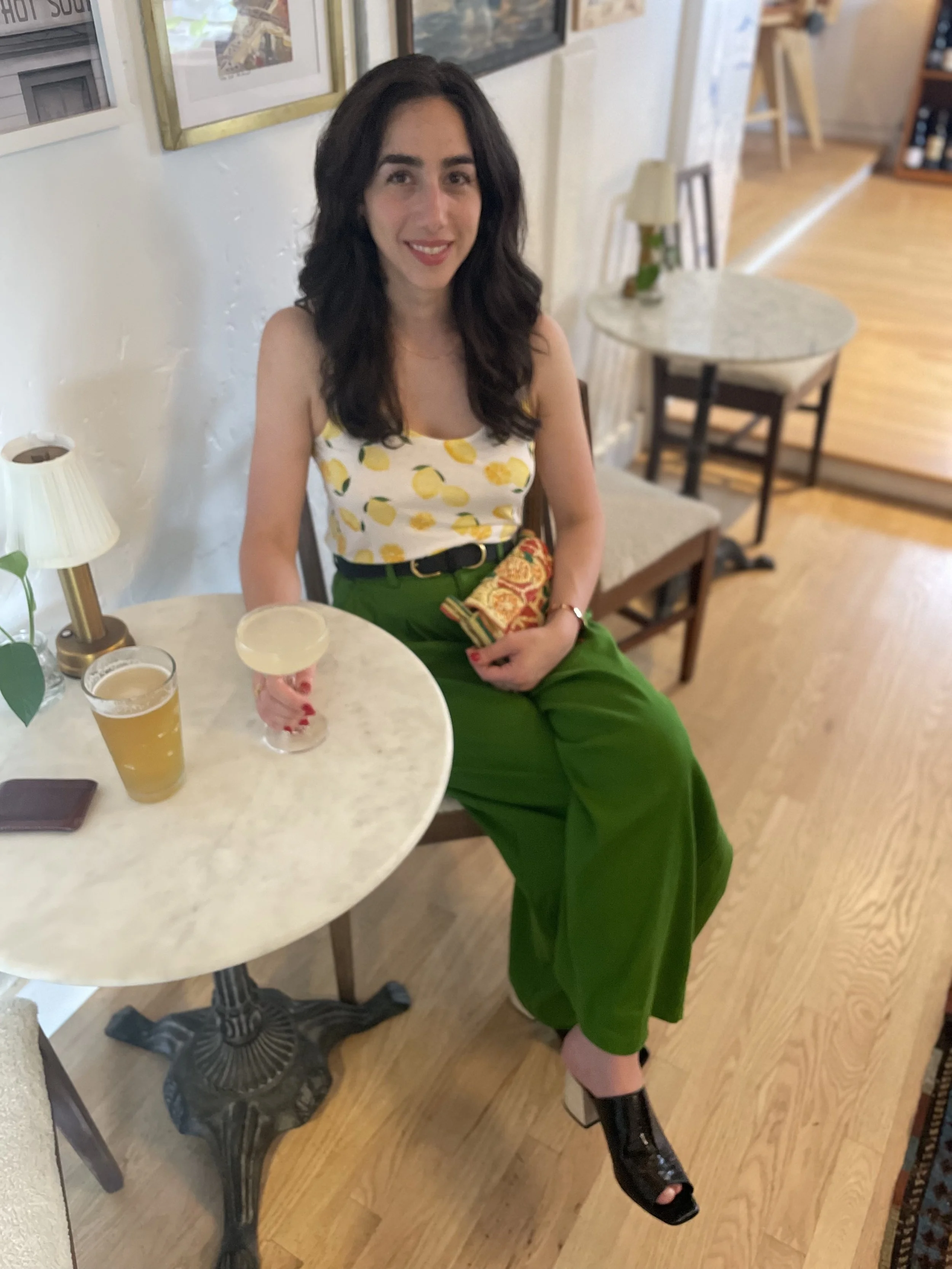
Mayya’s cancer melted away
The treatment came with side effects. Brain fog so severe she went on disability. She went from being a director of marketing at a billion-dollar company who managed big teams and even bigger budgets, to someone struggled to finish her sentences and assemble PowerPoints.
Knowing that 85% of patients develop high cholesterol on lorlatinib, her oncologist had pre-written the statin prescription alongside the TKI.
Reading up on side effects, Mayya told her oncologist, “I don't care if I'm a head in a jar at my kid's wedding. Just get me there.”
The initial scans were extraordinary. Lymph nodes resolved. Bone mets disappeared. Her oncologist told her, “Your cancer has melted away.” They targeted the one remaining lymph node using three stereotactic body radiotherapy (SBRT) sessions - a form of targeted high dose radiation.
It looked like she might be one of the great responders. Appearances can be deceiving.
The cancer came back.
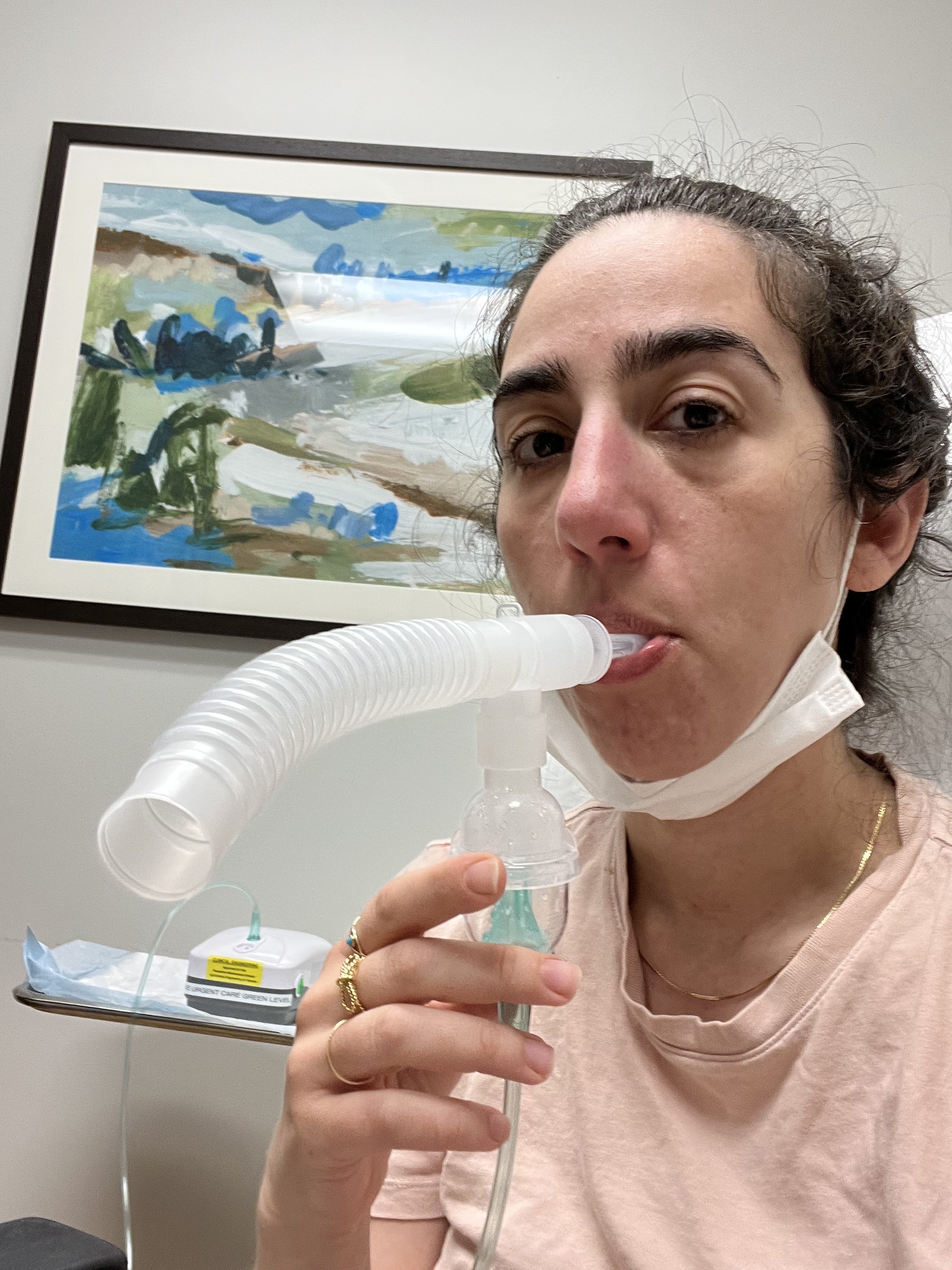
Eight months after starting lorlatinib, Mayya noticed a swollen lymph node beneath her arm. Her oncologist didn't think it behaved like malignancy. Her gynaecologist said the same, but ordered an ultrasound, saying, “Mayya, you’re my unicorn patient. I'm not waiting six months.” The biopsy results came back the same day: malignant cells. Adenocarcinoma.
A PET scan showed systemic progression across multiple lymph nodes throughout her body.
Her team was stunned.
A second opinion at Dana Farber Cancer Institute ran every available test searching for a resistance mutation or another targetable explanation. The tests offered none.
“My first house collapsed when I was diagnosed with lung cancer,” she says. “The second when my targeted therapy stopped working after such a short time.
"As long as there's a targetable mechanism there’s a clear to do next, you have hope," Mayya says. "But it was just vanilla ALK and here I was — an early progressor, with a shoulder shrug."
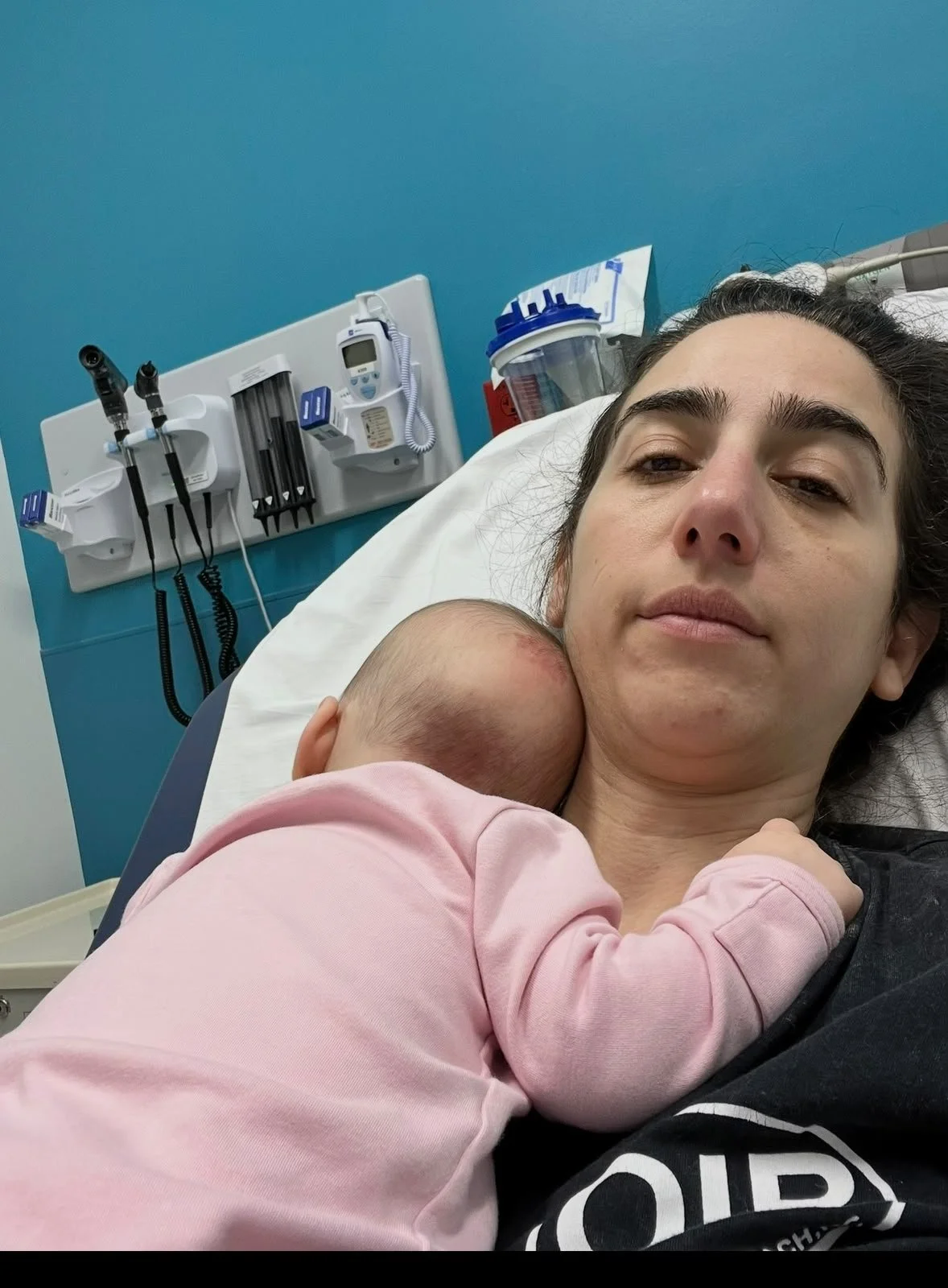
Refusing the shrug
Mayya approached cancer the same way she once approached high-stakes marketing campaigns: systematically.
Early on, she established relationships with multiple specialists, including a second-opinion physician long before she needed one. When the cancer progressed, she pushed for more tissue, more testing and more answers before changing treatment.
She emailed her doctors directly and asked the questions she feared most.
“Am I on my last line?”
Both physicians said no.
One specialist reassured her that she still had meaningful options ahead. Another connected her with a physician running one of the country’s largest thoracic oncology clinical trial portfolios, so future pathways would already be in place if she needed them.
Together, her doctors built a treatment plan tailored specifically to her disease: chemotherapy (carboplatin and pemetrexed), combined with a reduced dose of lorlatinib and bevacizumab — a VEGF inhibitor — because of her pleural effusion and the mucinous features of her tumour.
“My treatment plan felt genuinely personalised,” she says. “Not like a protocol just pulled off a shelf.”
I didn’t think there was a world where you could feel better on chemotherapy than you did before it.
Ordinary days.
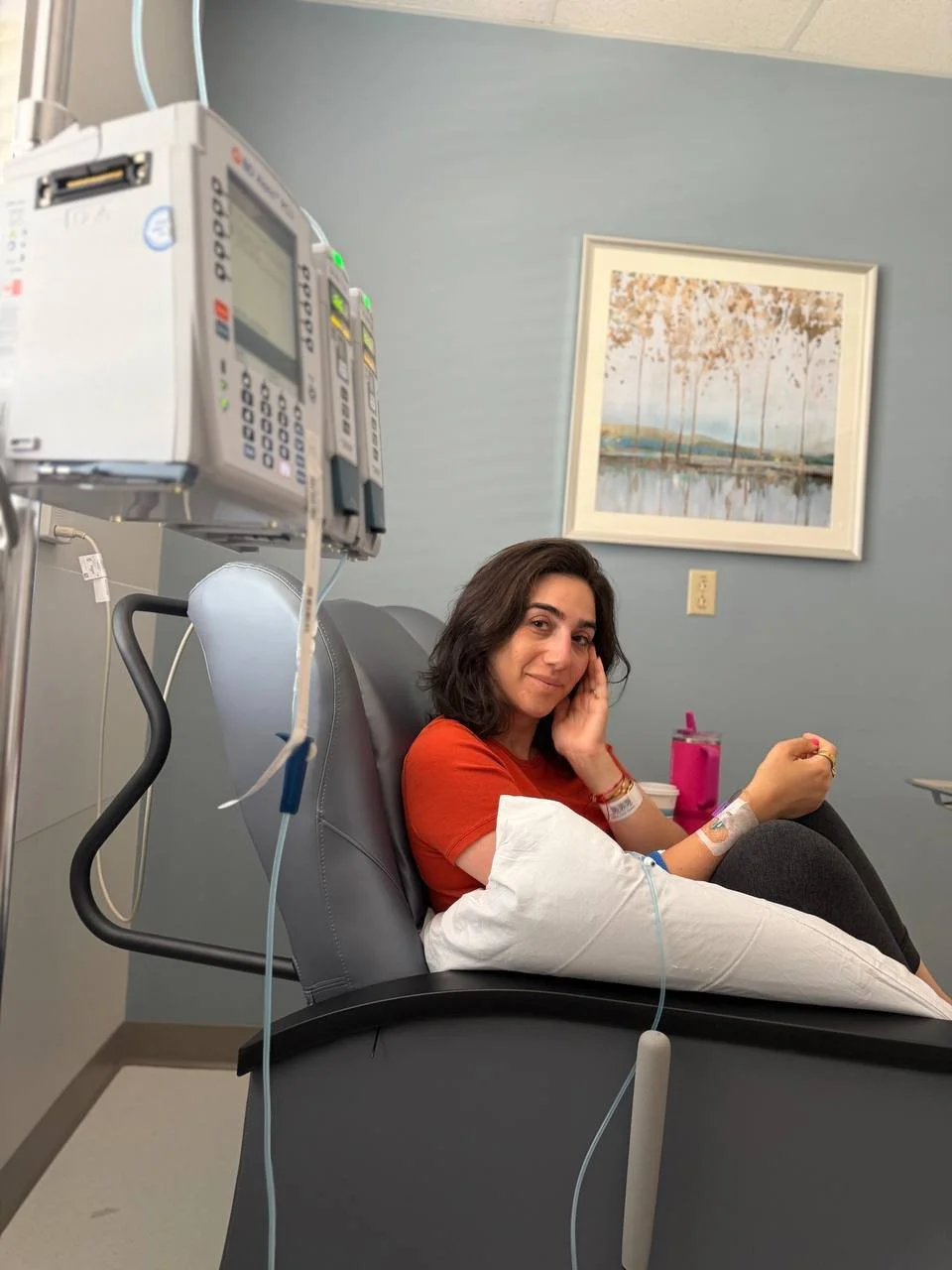
Now Mayya returns to the cancer centre every three weeks for infusions.
She arrives carrying a giant iced coffee, looking more like a busy mother running errands than someone in active treatment for stage four cancer.
She has started to recognise the rhythm of chemotherapy. Steroids make her feel almost superhuman at first. Then comes the crash — a fatigue she describes as ocean-deep.
But something unexpected happened after that first cycle.
“I woke up that Monday and made it upstairs without stopping,” she says. “I made breakfast. I took the kids to the park by myself for the first time in months.”
“I didn’t think there was a world where you could feel better on chemotherapy than you did before it.”
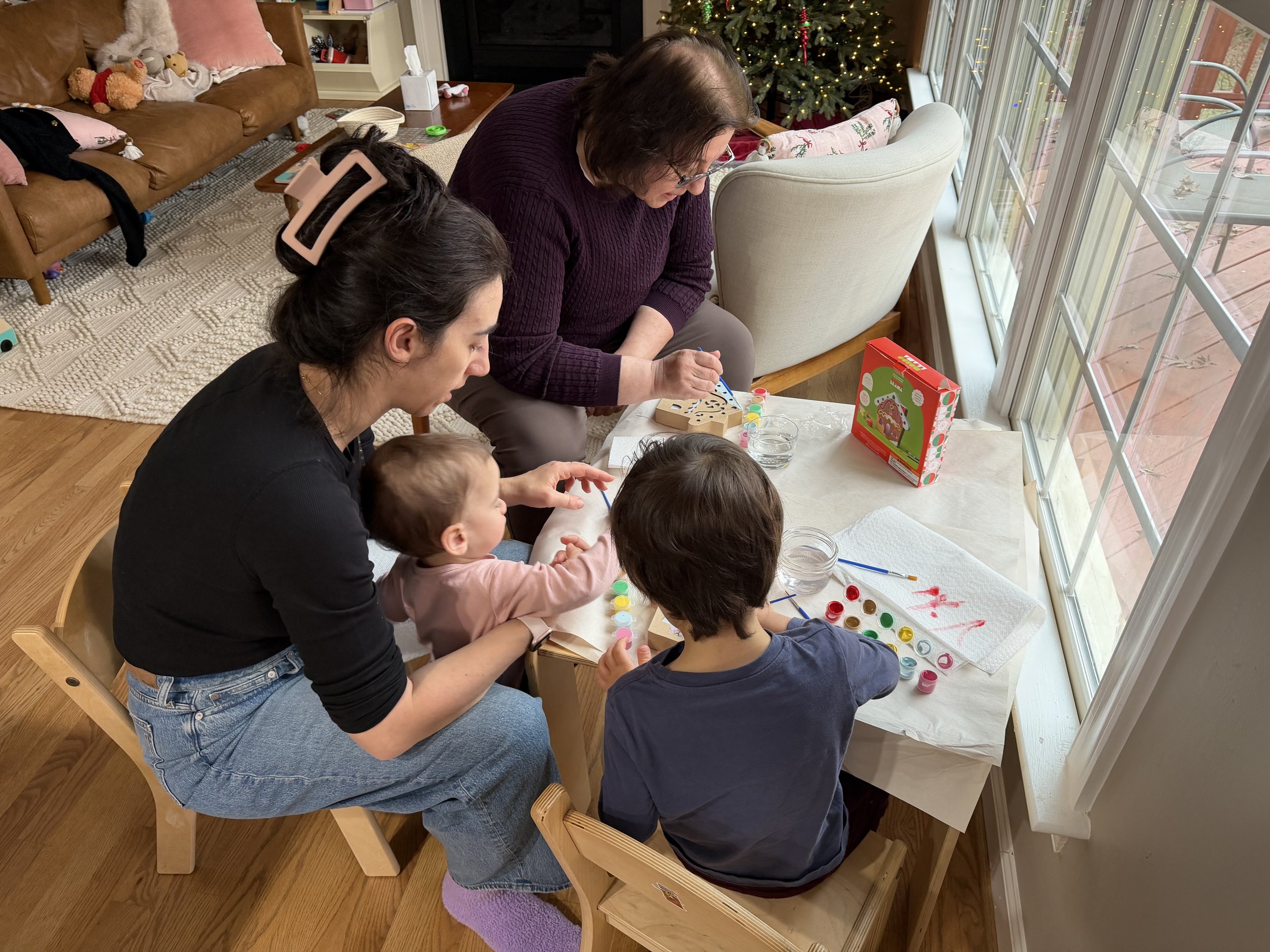
Her son now keeps a colour-coded chemo calendar on the fridge so he knows which days are movie days and which days mama will still make it to the park. Her youngest daughter climbs into her arms even when Mayya wears a mask to protect herself from the endless stream of childhood viruses passing through the house.
They are making memories. All of them together.
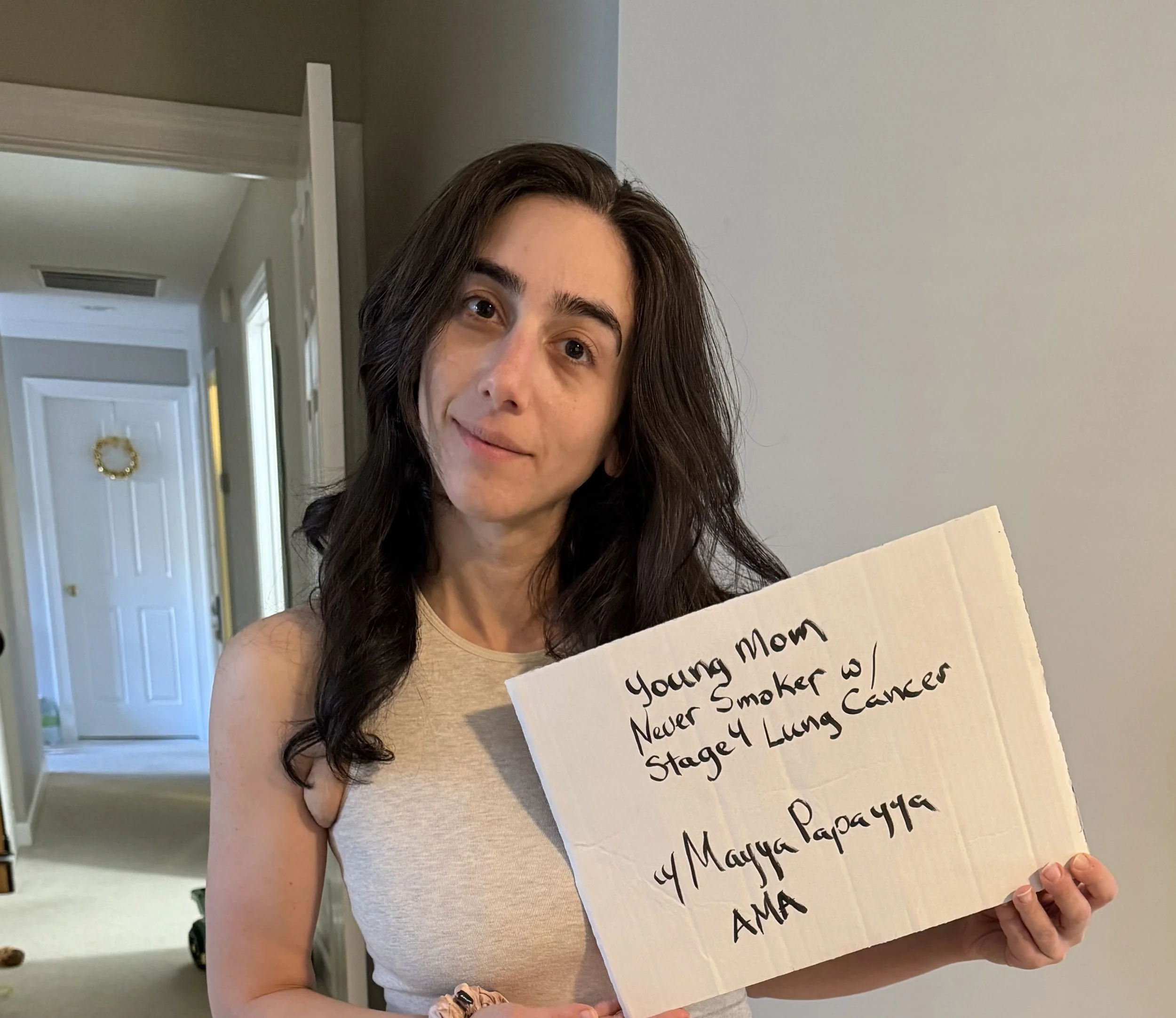
Defining who I’m going to be
Years before her cancer diagnosis, after a devastating late-stage pregnancy loss, Mayya and her therapist discussed trauma. That there is post-traumatic stress but there can also be post-traumatic growth. The idea that some people emerge from profound suffering not unchanged or restored to their old selves but transformed.
The people who move toward growth, she says, tend to share one trait: They imagine who they want to become on the other side.
“It’s not about what am I going to do,” she says. “It’s about who am I going to be.”
She is going to be a patient advocate. A mother who is present. Someone who keeps showing up.
Her advice to other newly diagnosed patients is that there will come a time when cancer is no longer the first thing you think about when you wake up. A time when you laugh again. When the calendar on the fridge is just a calendar.
“Thinking this is the end is too heavy to live with daily,” she says. “I don’t know if hope helps. But despair and thinking this is the end will definitely kill me.”
Aug 2026
Watch Mayya’s Patient Voices podcast interviews.
Mayya's post pregnancy cough was stage 4 lung cancer.
Mayya's lung #cancer nearly disappeared. 8 months later she had systemic progression.