Patient stories.
Get real stories of people living with lung cancer.


I expected them to tell me I had pneumonia. It was stage 4 lung cancer.
— Kimberly Thorp (R) from Utah in the USA - diagnosed with stage 4 ALK+ lung cancer age 52
Meet Kimberly.
Kimberly went to the Emergency Room thinking she had a bad flu. Doctors drained a litre of fluid from her heart – and found stage 4 lung cancer.
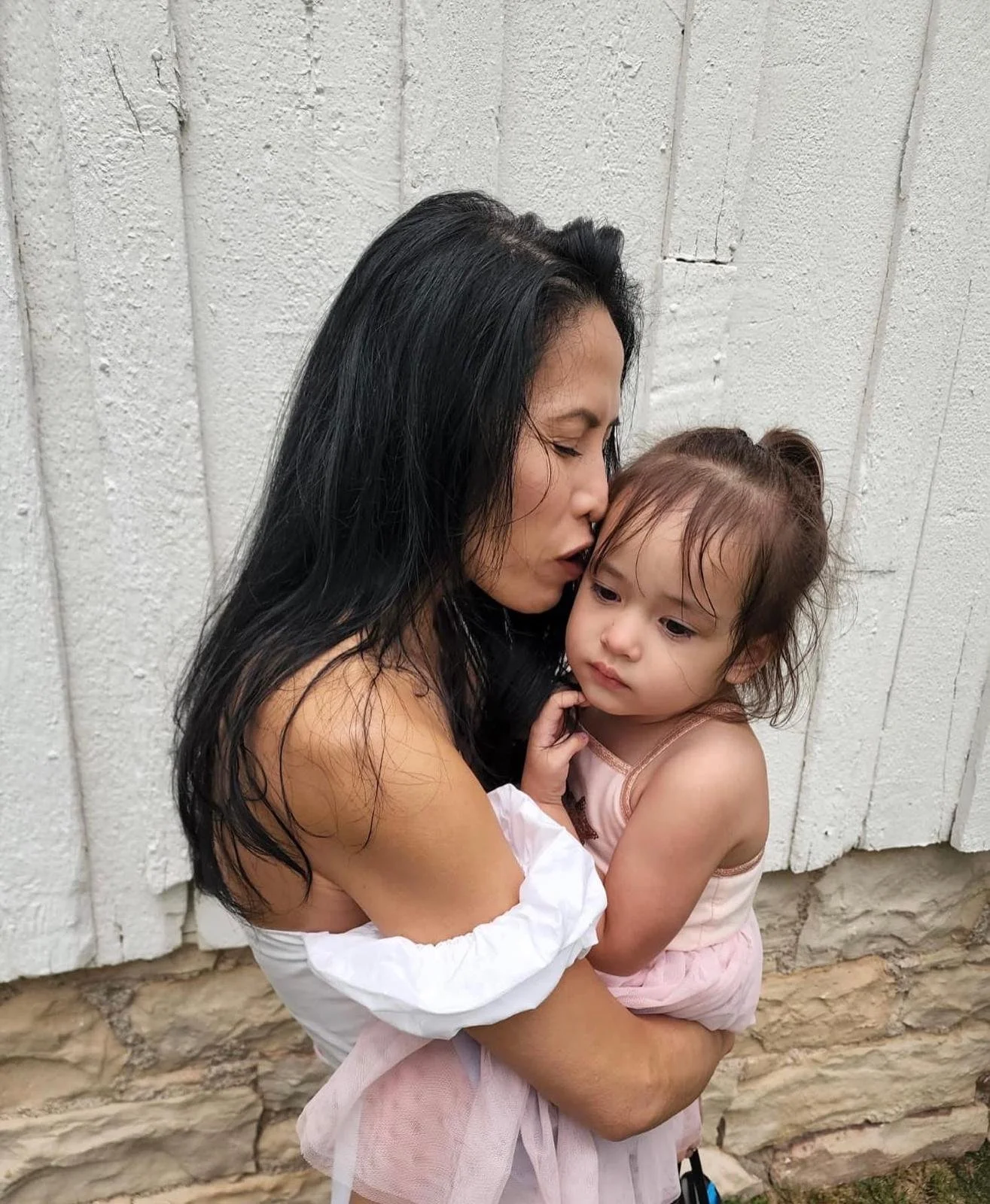
I felt like I had been handed a death sentence. I didn’t know who to plead with. I didn’t know how to process any of it.

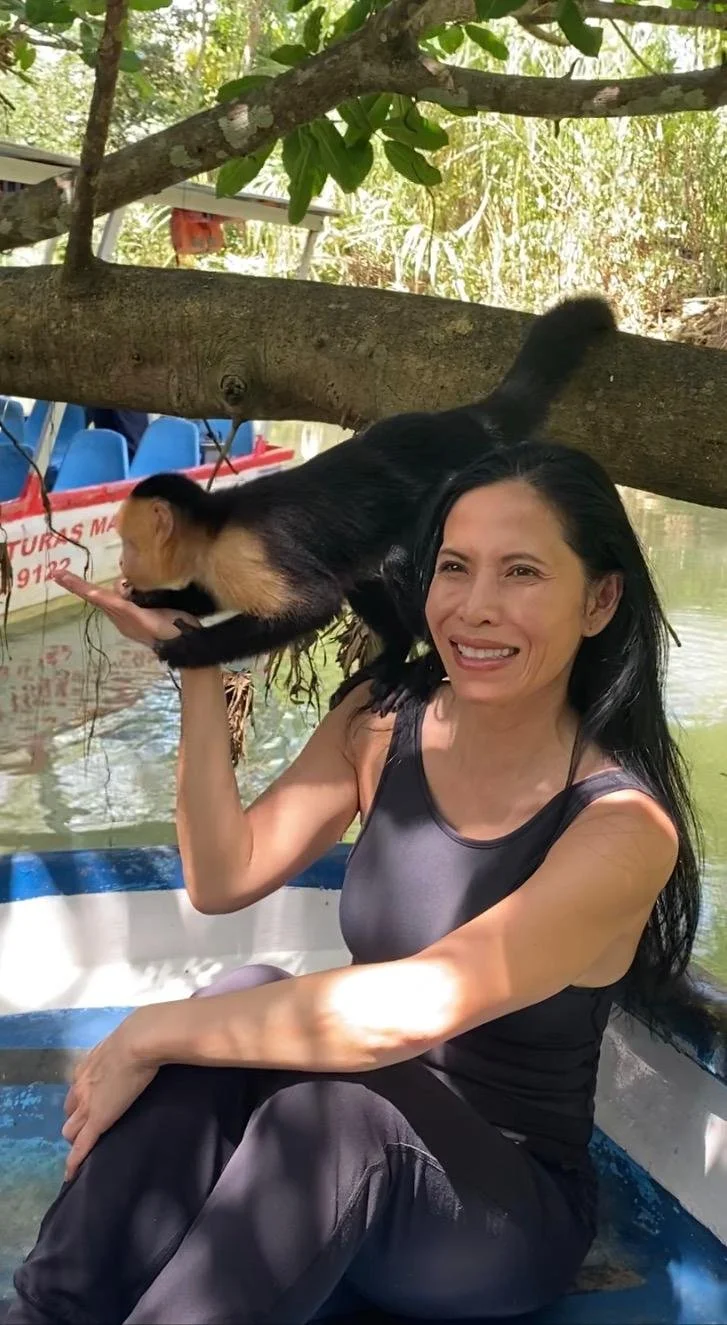
It started innocuously enough: a family vacation to Costa Rica in 2022. Everyone came back with what seemed like a bad cold. But while her family recovered, Kimberly kept getting worse. She wound up in the emergency room.
Kimbely, 52 years old at the time and normally a very fit and active woman, was pale, breathless and confused by an illness she assumed was just a stubborn virus that wouldn’t let go.
“I expected them to tell me I had pneumonia,” she recalled. “That's all I thought it was.”
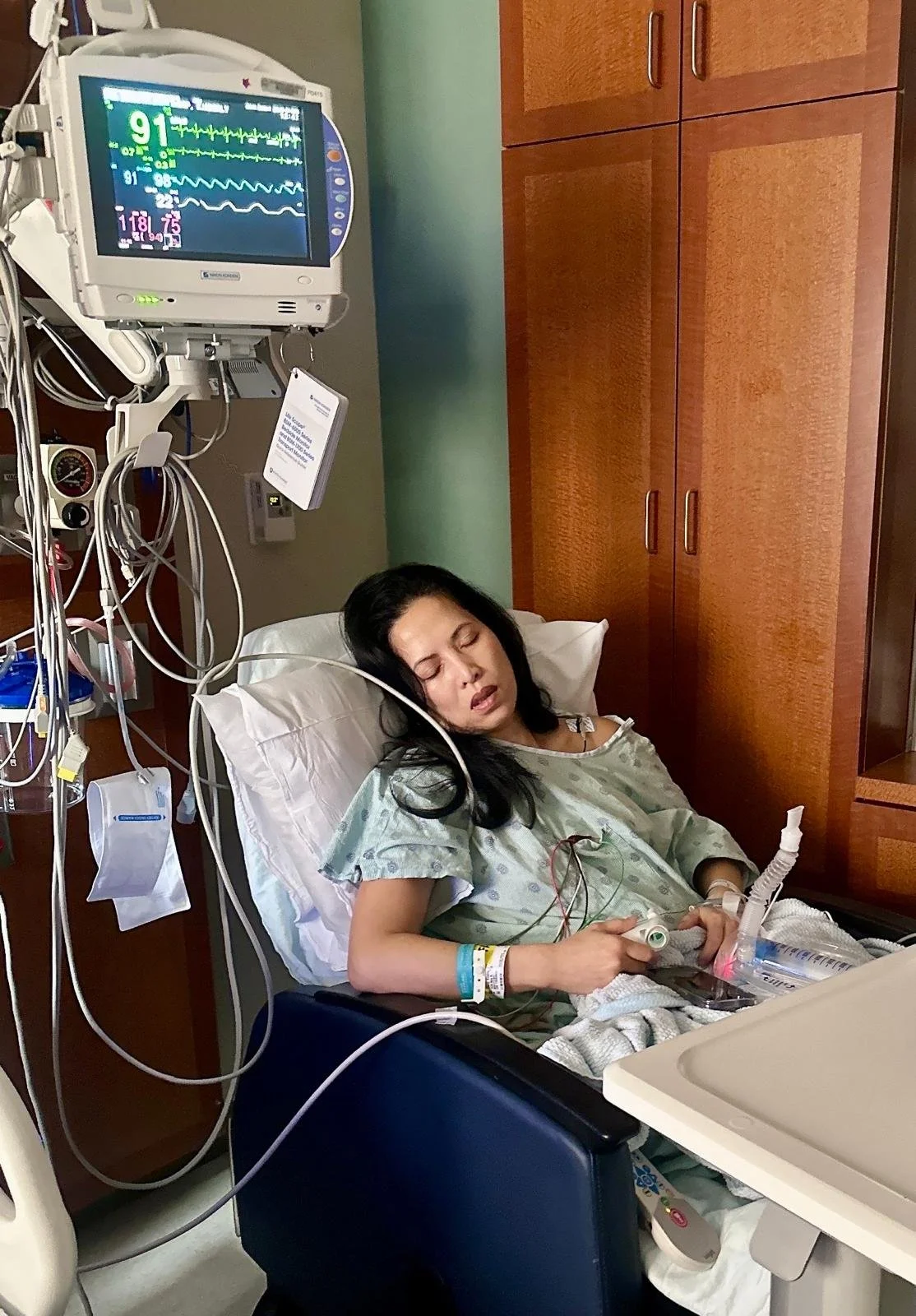
But within hours, she was on a gurney being moved to a surgical room under bright lights, surrounded by a dozen clinicians. A tube was pushed through her chest. Another into the cavity around her heart. And when the fluid drained, the nurses looked at her with a kind of stunned relief.
Over a litre of fluid had been compressing her heart.
“That amount of fluid should have stopped your heart,” one nurse said.
Kimberly wasn’t supposed to be alive.
She was 52.
Her daughter was just two years old.
And she had absolutely no idea what was coming next.
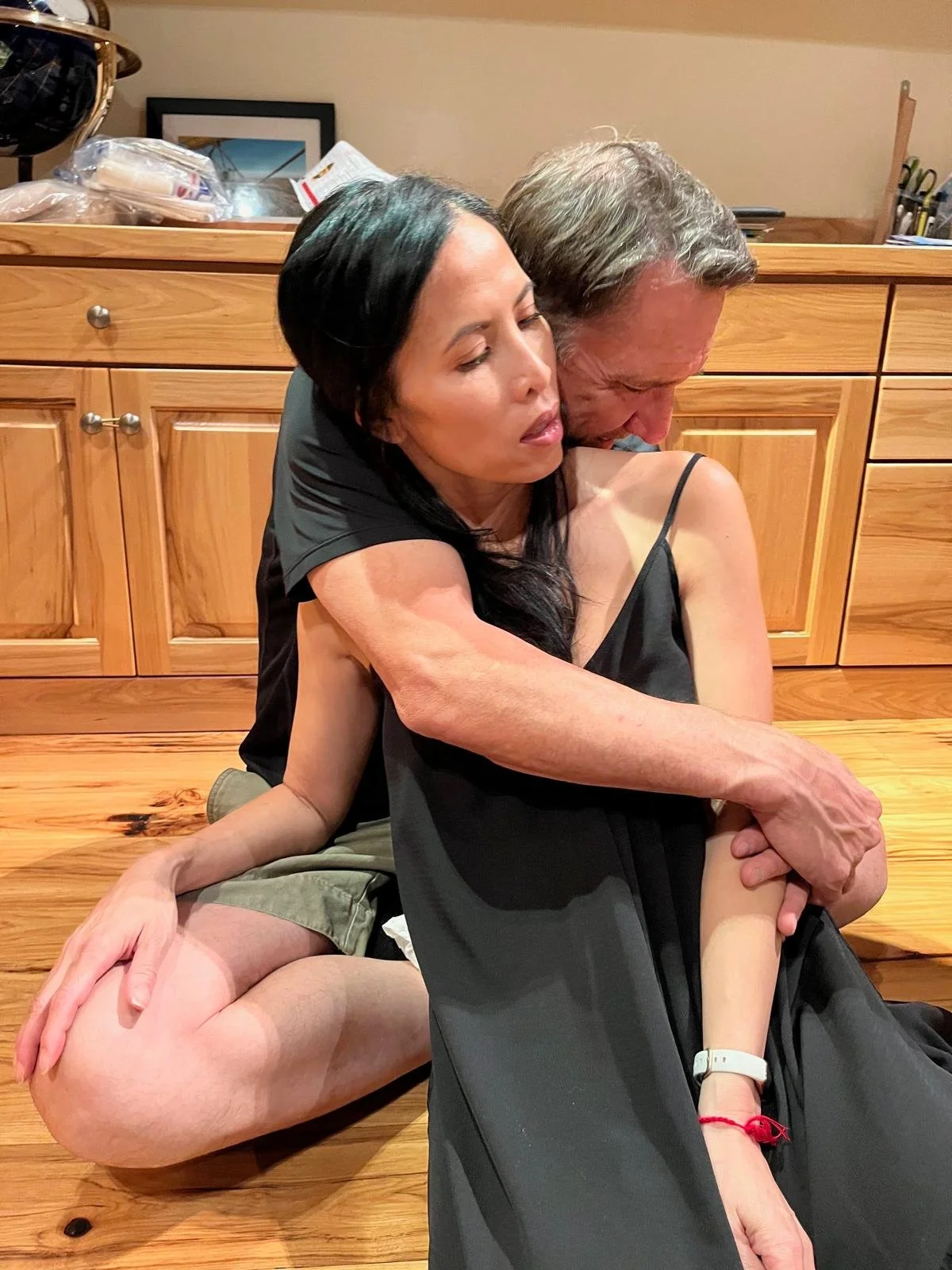
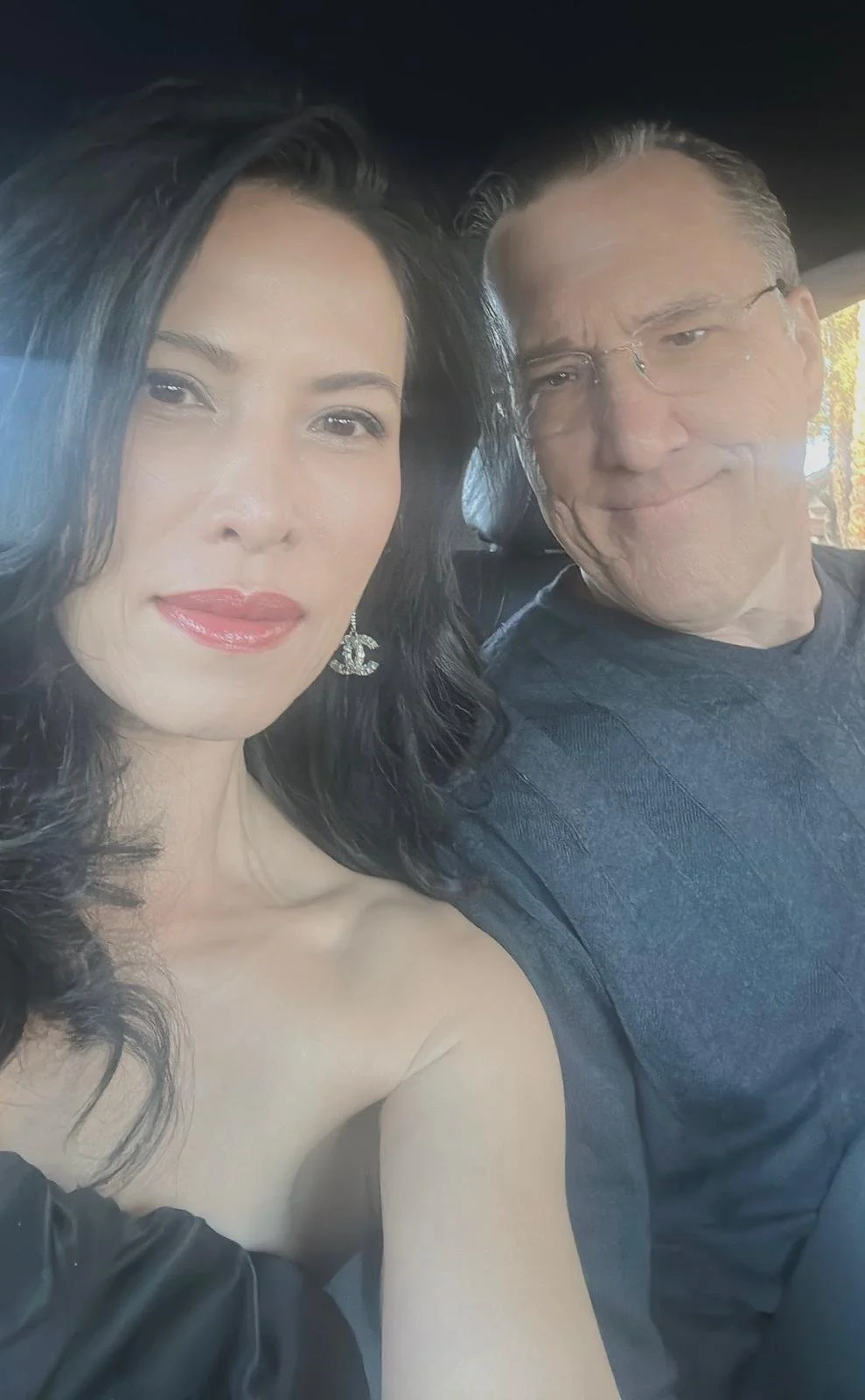
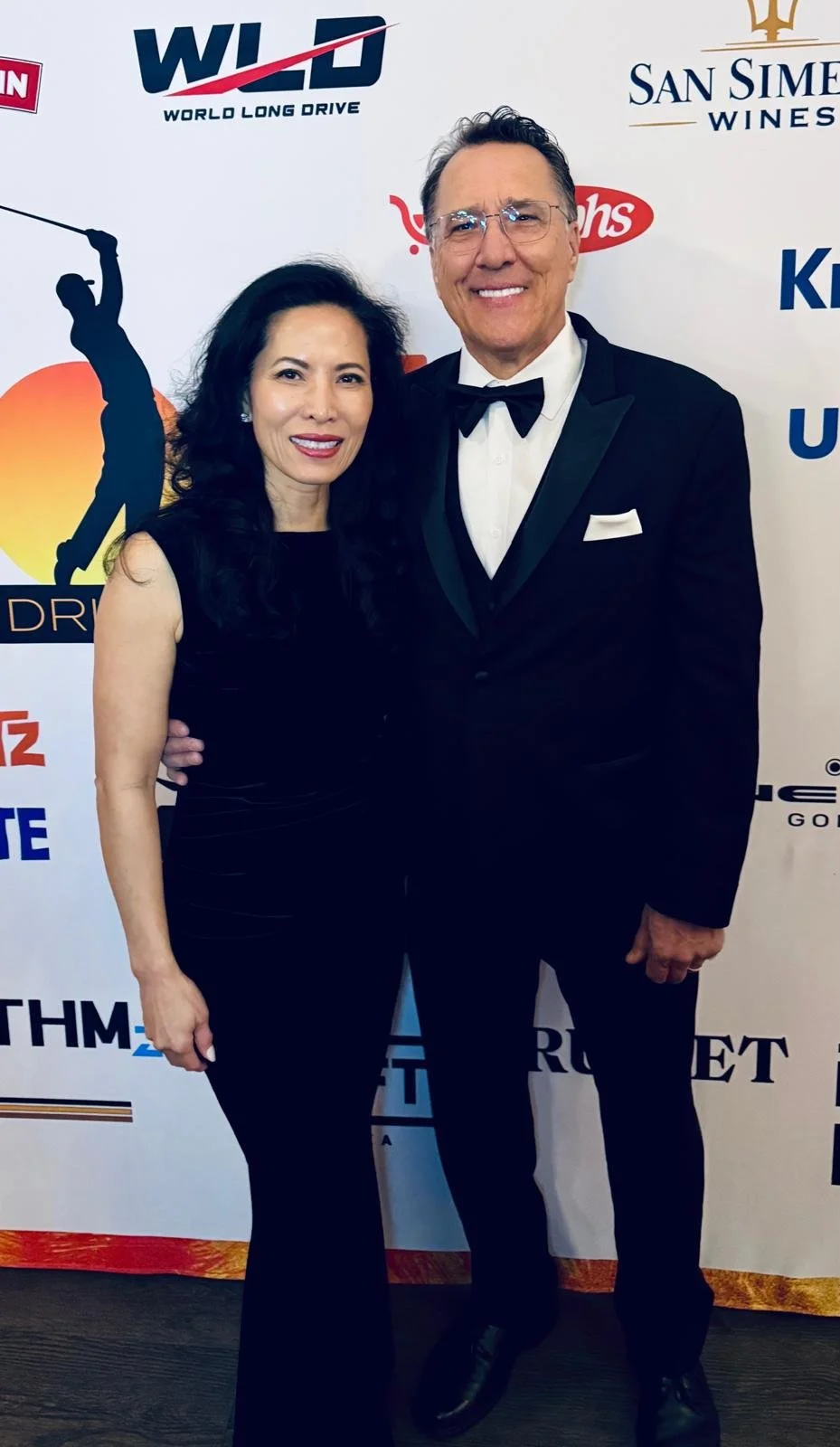
Kimberly and husbandA bleak diagnosis
The next morning, still in the thoracic ICU, alone overnight because no children were allowed inside and visiting hours were strict, Kimberly waited.
When the doctor finally arrived, he did not meet her with softness. He did not sit beside her bed. He did not ask about her young daughter.
He read her results as if reading a lecture slide.
Stage 4 adenocarcinoma.
Fluid cancerous.
Prognosis unclear.
“He had no emotion,” she said. “None. Just facts. No humanity.”
Her husband refused to leave that night. “I’m not going anywhere,” he told the staff. “You figure it out.” Nurses bent the rules so he could stay.
For two days, they cried together. They grieved the life they thought had just slipped away. They had struggled to conceive, and Kimberly loved nothing more than being a mother. They imagined their toddler growing up without her mother. They imagined birthdays and graduations Kimberly would never witness.
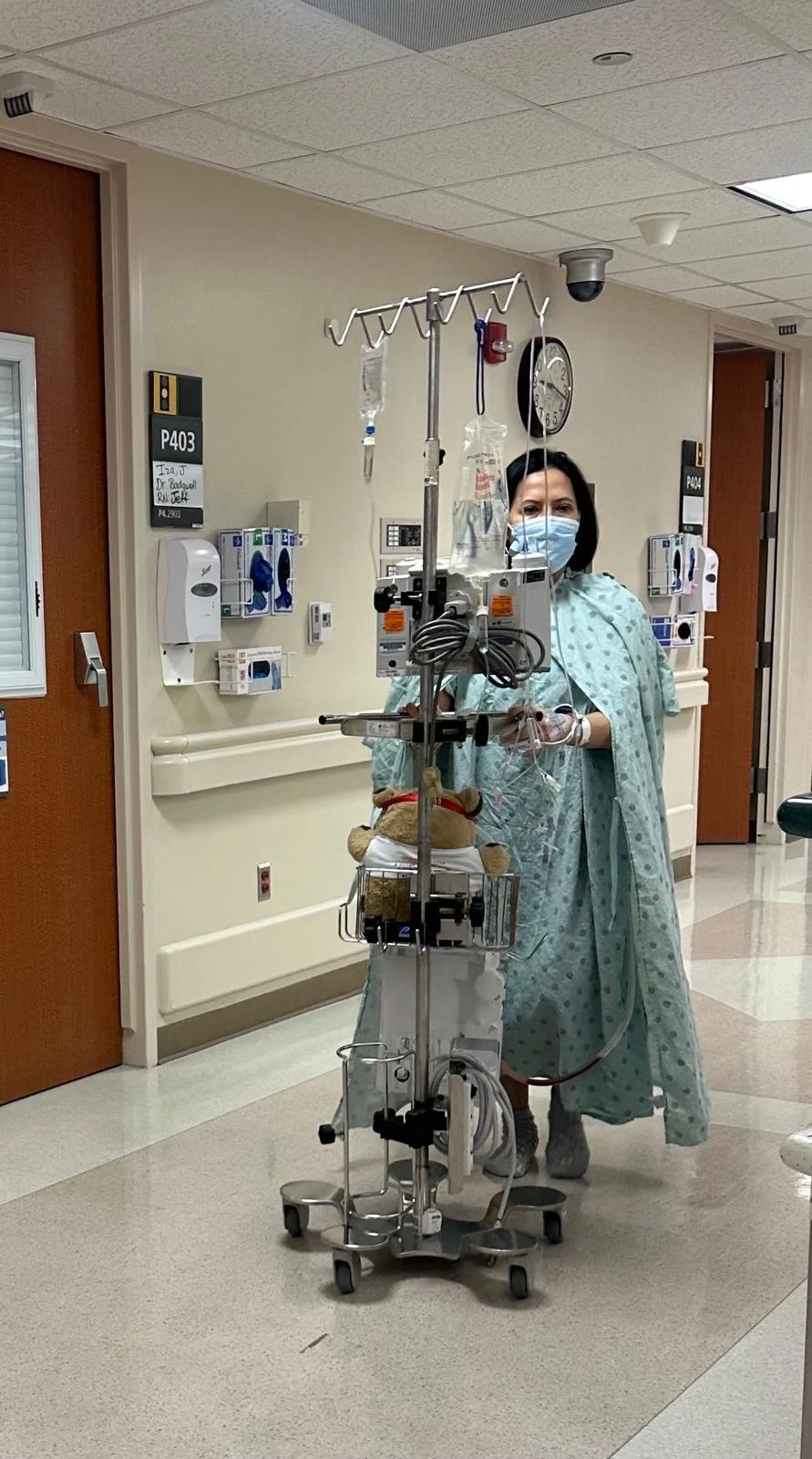
“I felt like I had been handed a death sentence,” she said. “I didn’t know who to plead with. I didn’t know how to process any of it.”
The despair deepened when she sought a second opinion at Utah’s top cancer centre. In a waiting room filled with oxygen tanks, frail patients, and a woman lying across two chairs because she was too weak to sit upright, Kimberly felt an instinctive jolt of fear. “I remember thinking, I do not belong here.”
The oncologist’s fellow scanned her charts and paused when she asked the question no one ever wants to ask.
“What is my prognosis?”
He looked at the floor. “Less than three years.”
Three years. Her daughter would be five.
She left and vowed never to return.
The doctor who gave Kimberly her life back
In the midst of her panic, an angelic friend called her over the July 4th weekend.
“I’ve set everything up,” she said. “You’re going to UC Irvine. You’ll see Dr Misako Nagasaka.” They booked flights immediately.
At UC Irvine, for the first time, Kimberly felt seen. Dr. Nagasaka listened to every detail. She held Kimberly’s hand. And then she said the sentence that hit Kimberly hard: “You did nothing to cause this.”
Kimberly cried. Something released. The shame, the self-blame, the desperate fear that she had somehow failed her child – gone in an instant. “And we’ll get through this together,” Dr. Nagasaka added.
It was the first time anyone had offered hope.
"It just released so much out of me," Kimberly says. "All the coldness that I received from other oncologists, and then this humanity that she showed me. She saw me as a person and not as a number. She wasn't just going to make me comfortable for the time I had left."
Soon after, biomarker testing revealed the key to her treatment: Kimberly had ALK-positive lung cancer, a rare non-hereditary genetic mutation often found in younger, healthier patients with no smoking history.
The difference between a three-year prognosis and a decade or more of life came down to the biomarker testing that found this non-hereditary genetic mutation.
Dr Nagasaka carefully explained all the options, including a newer ALK cancer inhibitor – that in 2022 wasn't typically used as first-line treatment but showed remarkable promise. When Kimberly and her husband struggled to decide, Dr. Nagasaka didn't push. Instead, she arranged for them to consult with Dr Christine Lovely in Nashville.
By this point, Kimberly was so weak her husband had to wheel her through the airport in a wheelchair. She couldn't eat. She was losing weight daily. But she needed to make the right choice.
Dr Lovely spent two hours with them. They were able to decide on the treatment path.
While Kimberly was still processing her diagnosis, one of her initial doctors had already made decisions for her. They'd prescribed another targeted therapy and even had it shipped to her house without her full consent.
Her husband pleaded with the hospital pharmacy: “I don’t care what it costs, just get her the other medication.” They refused. So, Dr Nagasaka called the drug manufacturer personally. They FedExed the medication to Kimberly overnight.
Immediate effect after one dose
Kimberly took her first pill at 8 pm.
The next morning, she got out of bed.
She cooked breakfast.
She cleaned the house.
She asked for a cheeseburger – her first appetite in six weeks.
Doctors call it the “Lazarus effect,” the phenomenon where targeted therapy revives a patient almost overnight. Even then, hers was astonishing. Within two months, her tumour had shrunk by 75 percent. Targeted drugs weren’t the end of the story. They were the beginning.
The surgery they said would never happen
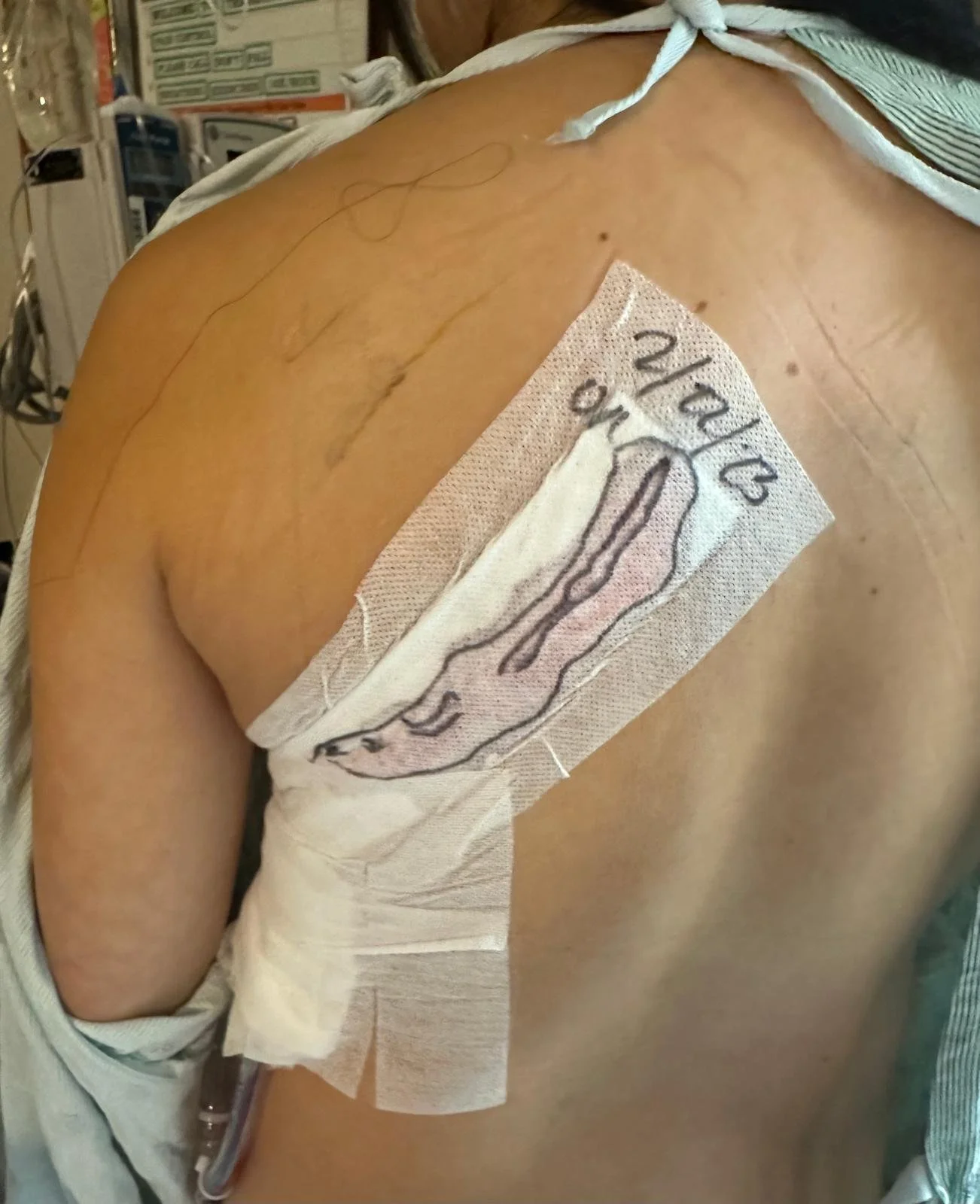
By December, Dr Nagasaka suggested Kimberly's tumour had shrunk enough to be operable – a rare option for stage 4 lung cancer patients. Dr Nagasaka didn't keep the case within her own system, she consulted leading surgeons at MD Anderson.
World-renowned thoracic surgeons reviewed her scans. And in February 2023, she flew to Houston to have the tumour removed by Dr Garrett Walsh. Her family moved into a rented home. Her sisters flew in from Utah and Thailand. Her nieces rotated shifts. Her husband decorated the apartment like their living room so their daughter wouldn’t feel displaced.
After the surgery, the surgeon came to her bedside. “There isn’t one live cancer cell,” he said. “Zero activity.”
A near-miraculous pathological response from a tumour nearly 5 centimetres wide. He also told her something else: based on how sick she had been when she arrived in hospital back in Utah, he would have given her three months, not three years.
Her survival, he said, bordered on unbelievable.

The scars she can’t hide
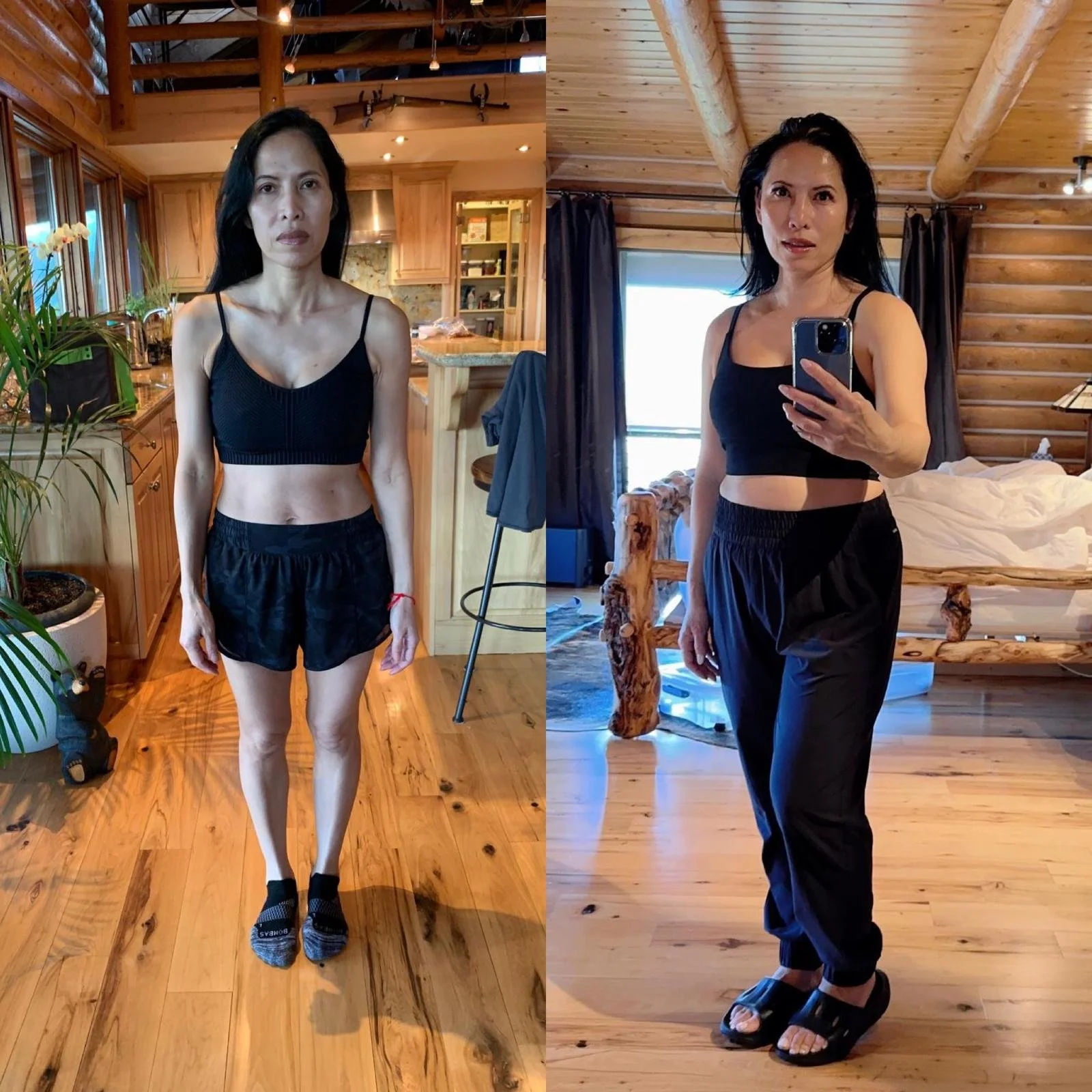
Survival has come with costs. Her targeted therapy has caused dramatic weight gain – Kimberly went from 112 pounds (51kg) to 160 (73kg), despite eating yoghurt and berries for breakfast and lunch, and a salad with chicken or salmon for dinner. The swelling was so severe she couldn't wear shoes or jewellery. The brain fog made it impossible to multitask like she once did.
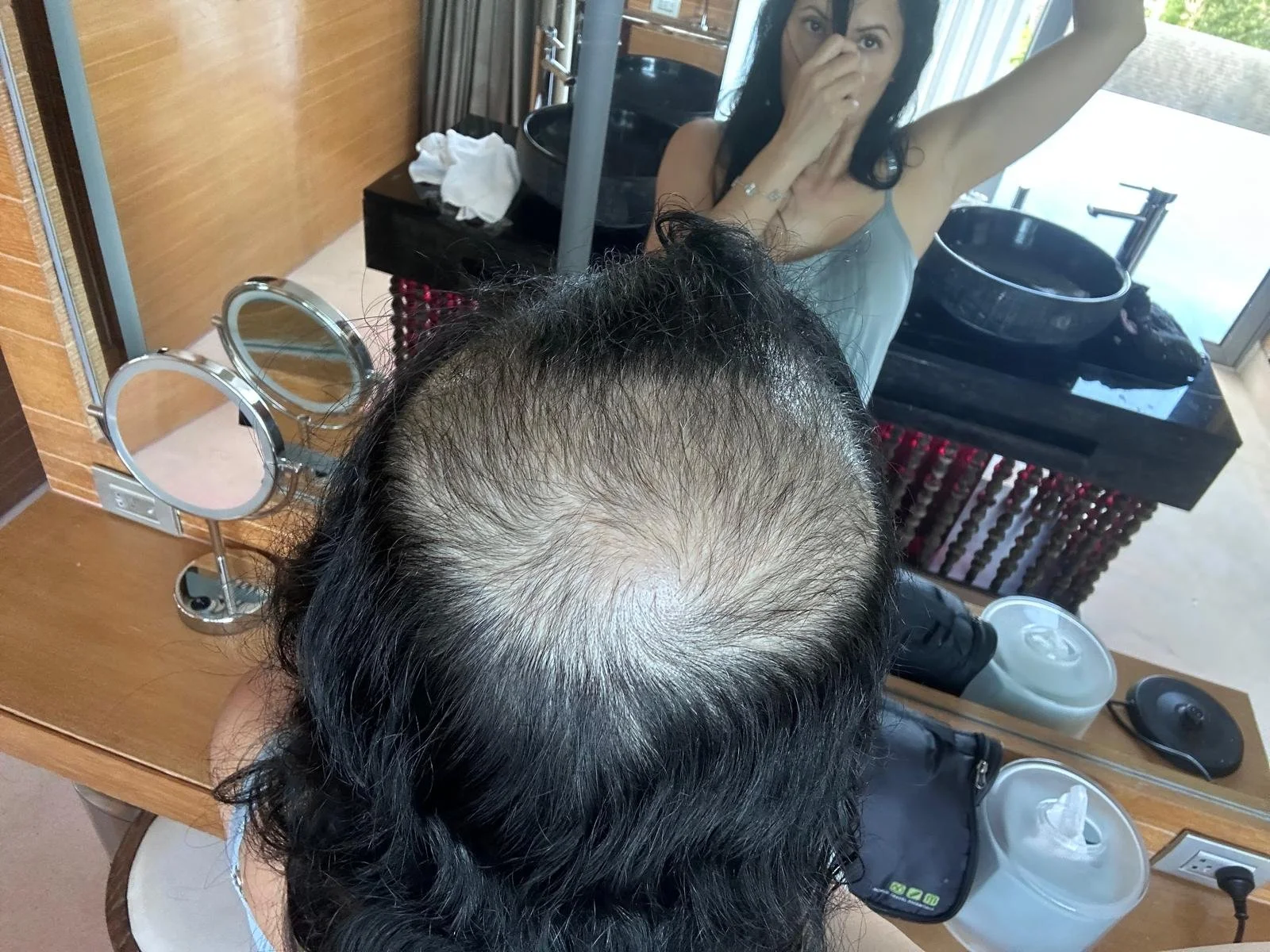
To top it off, months after the thoracic surgery, a small metastasis appeared on her scalp. Radiation came to the rescue, but it also left a ring of permanent hair loss, which Kimberly describes as a “sumo wrestler.” Doctors said the hair would never grow back.
“As a woman, losing your hair…it hit my mental health harder than anything,” she said. “It was the one thing I couldn’t hide.”
She couldn’t clip anything into the bald circle. She couldn’t pretend everything was normal. She tried castor oil, rosemary, serums. Her friend micro-needled her scalp. Slowly – and miraculously – hair began to return. Today, it is still growing. “But that experience shook me. I didn’t want people looking at me like I was about to die.”

I try to be present. To feel gratitude.
A new life
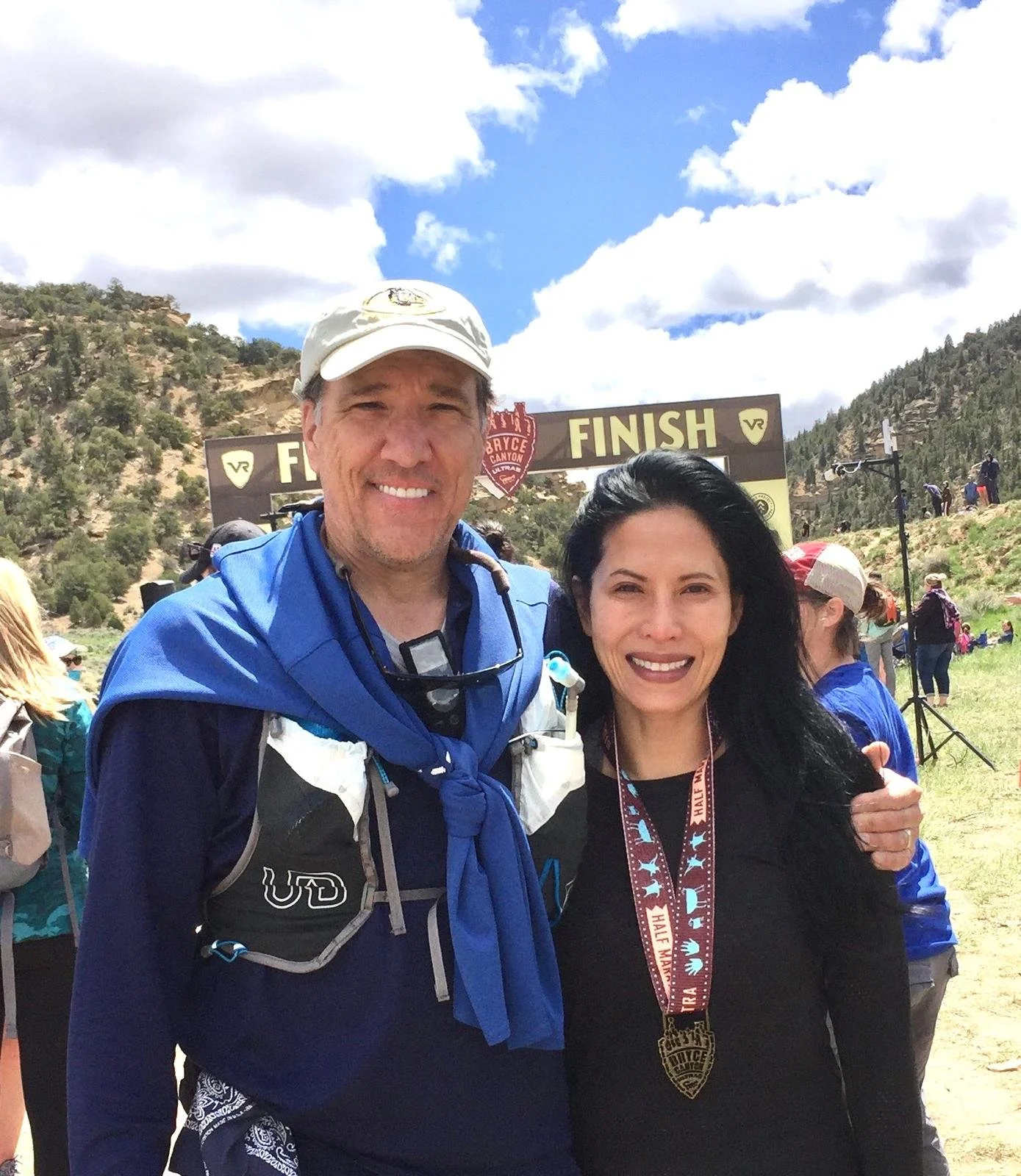
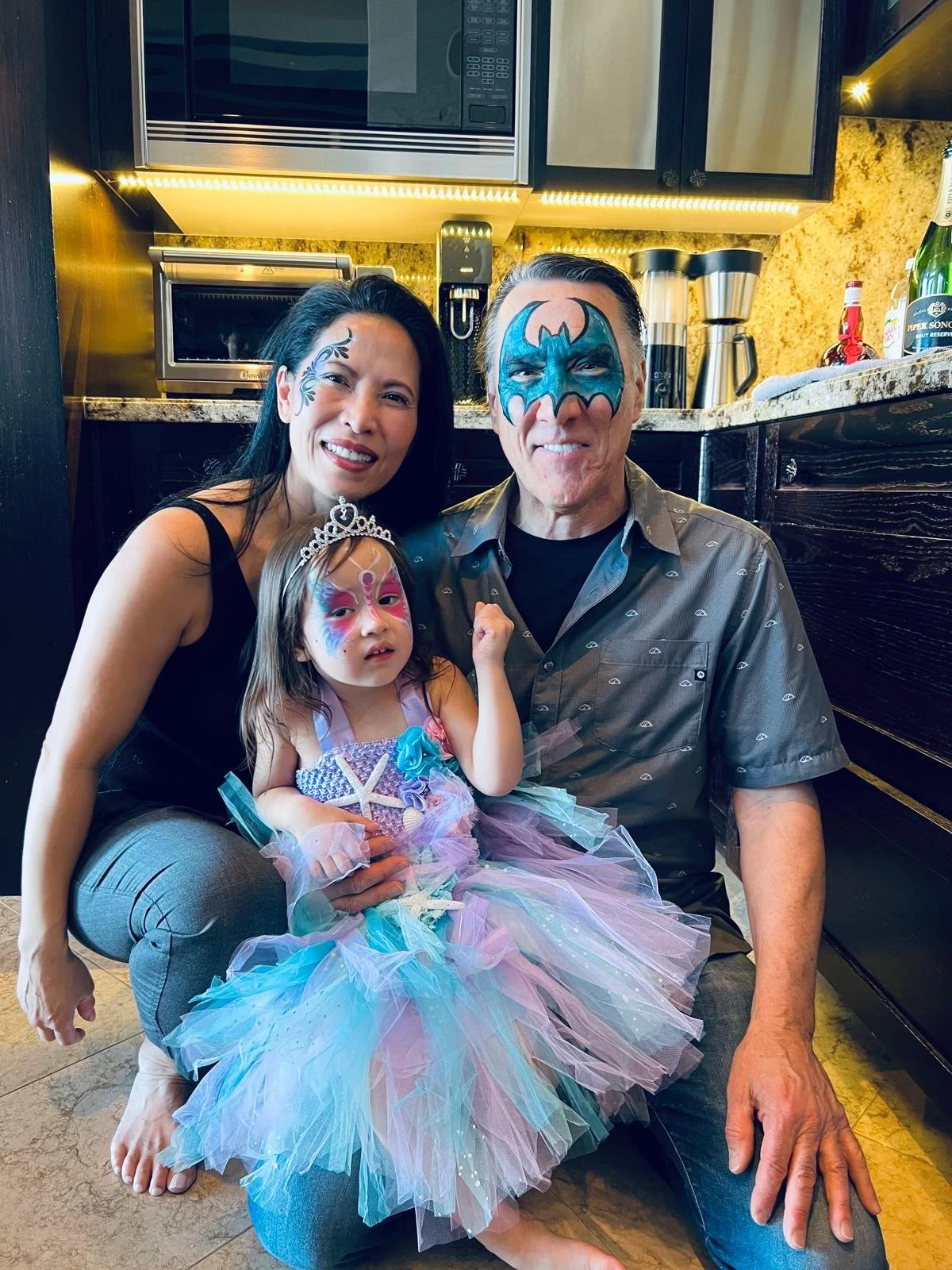
Today, Kimberly gets brain scans every three months. She continues treatment. She ice skates. She lifts weights. She watches her daughter read, grow, learn and run.
She funds research at UC Irvine. She and her husband are planning to invest more, hoping future families won’t face the terror they did.
“I just try to live between the scans,” she said. “To be present. To feel gratitude. To be here.”
That trip to Costa Rica – the one that brought home a "cold"– ultimately saved her life.
Advice to others
Kimbely advice to anyone else is: "Make sure that you pick the right oncologist and the right care team – somebody that you feel is going to be an advocate for you."
This advice is born from experience. Had she stayed with her initial doctors, accepted their resigned fatalism, she might not be here. Instead, she fought for second opinions, third opinions, consultations with experts across the country. She and her husband took the decision-making process "very seriously, because I get one shot at figuring this out."
She also emphasizes the importance of mental health. "The doctors can only do so much," she says. "Anything that you can do to take care of yourself mentally and health-wise, that's what you should be doing. Check in with yourself every day."
Three years ago, in a sterile hospital waiting room filled with patients on oxygen, Kimberly looked around and thought: "I do not belong here."
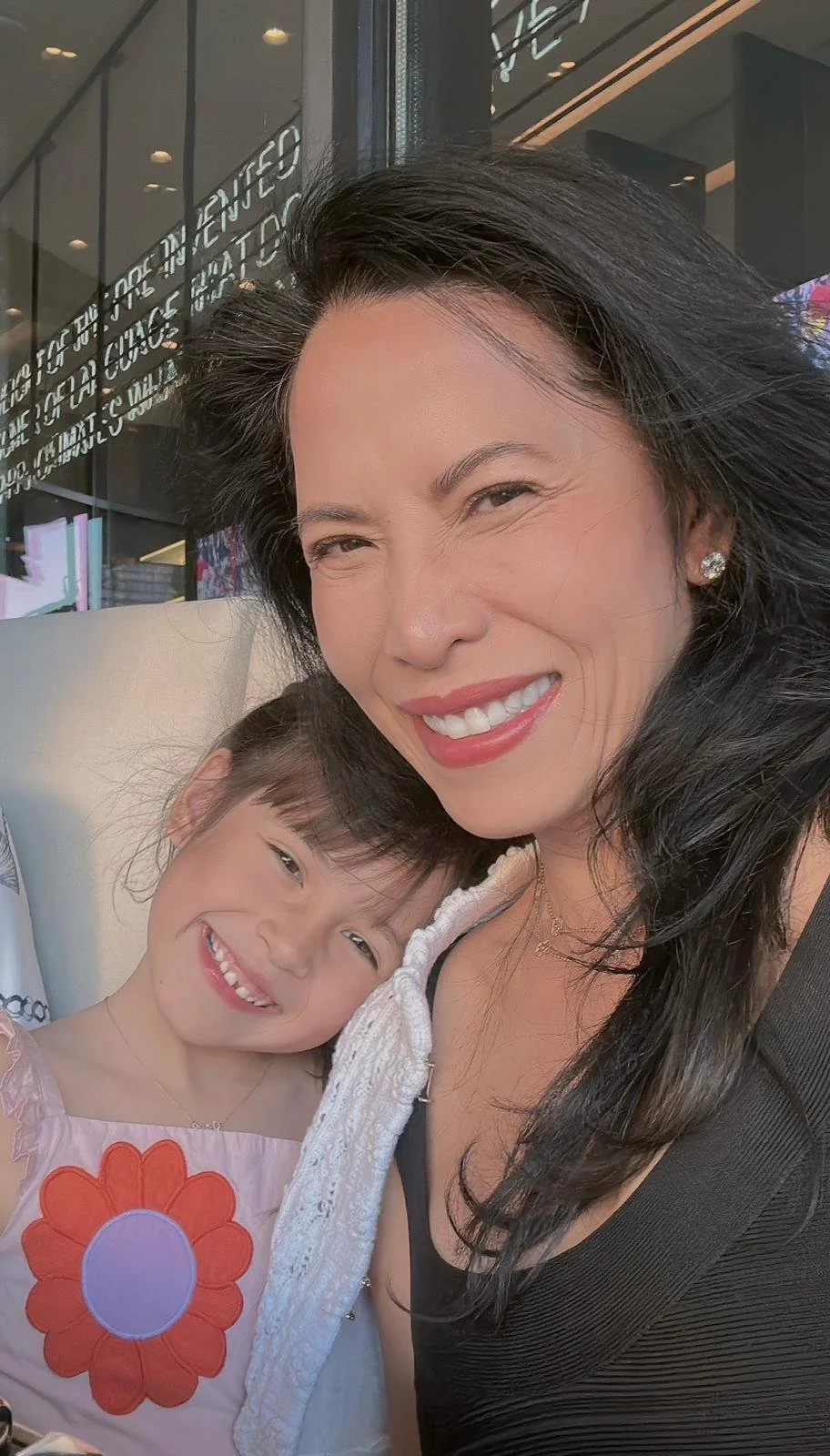

She was right. She belonged at home, with her family. At the ice rink, teaching her daughter to skate. At charity events, sharing her story so others might find their own path through the darkness.
Her daughter is five-and-a-half now.
Old enough to skate with her.
Old enough to notice when her mother smiles more easily.
And if science continues moving the way it is – Kimberly will not just get in a bit more time for memories, but to truly continue their story.
December 2025
