Patient stories.
Get real stories of people living with lung cancer.
Meet Joanne.
Joanne was told it was terminal small cell lung cancer.
Five years on, she’s still here.
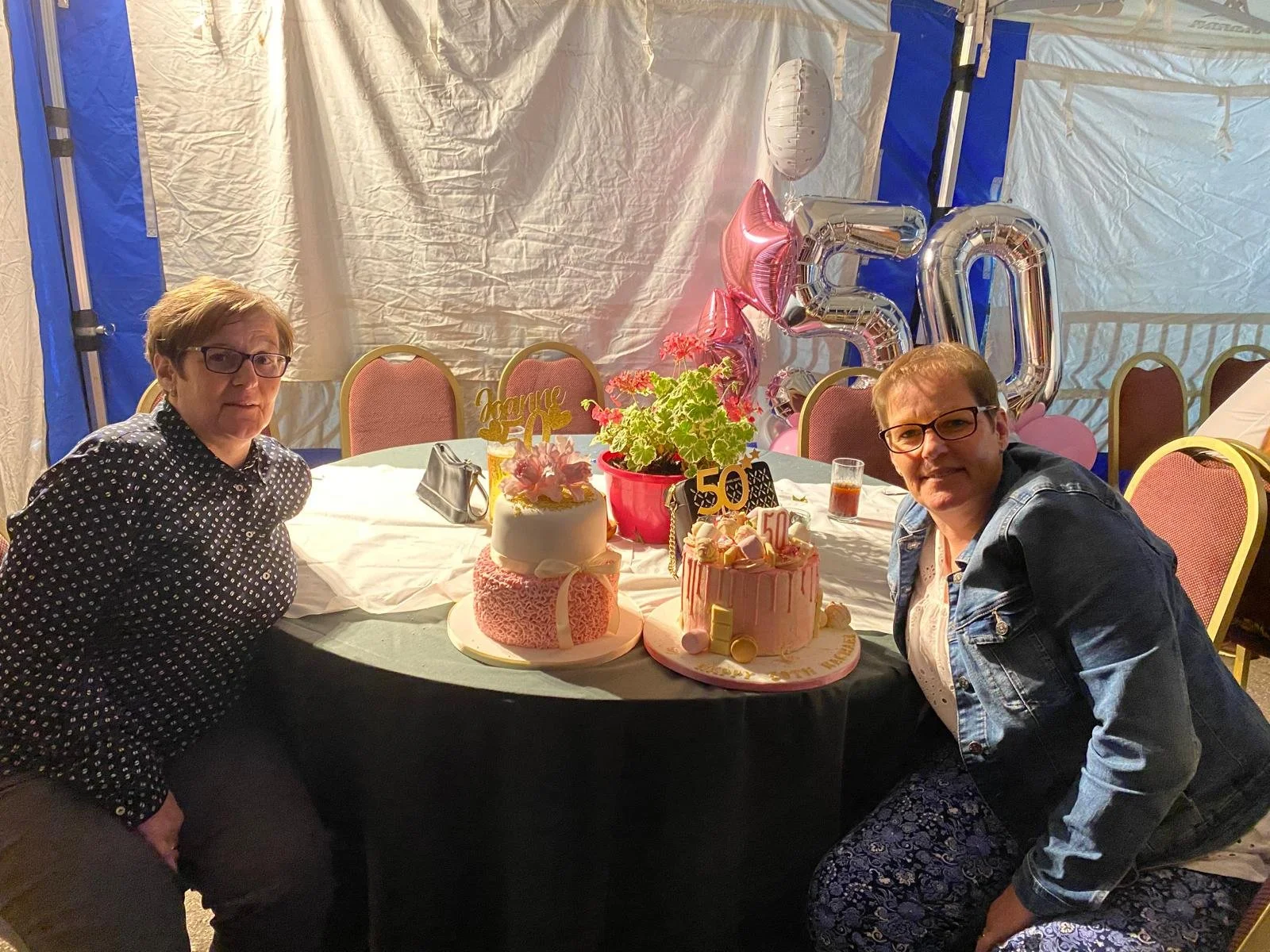
Joanne (left), celebrating her 50th birthday with her identical twin 
I had assumed all my symptoms were laryngitis or something else that would pass. I never expected terminal lung cancer.
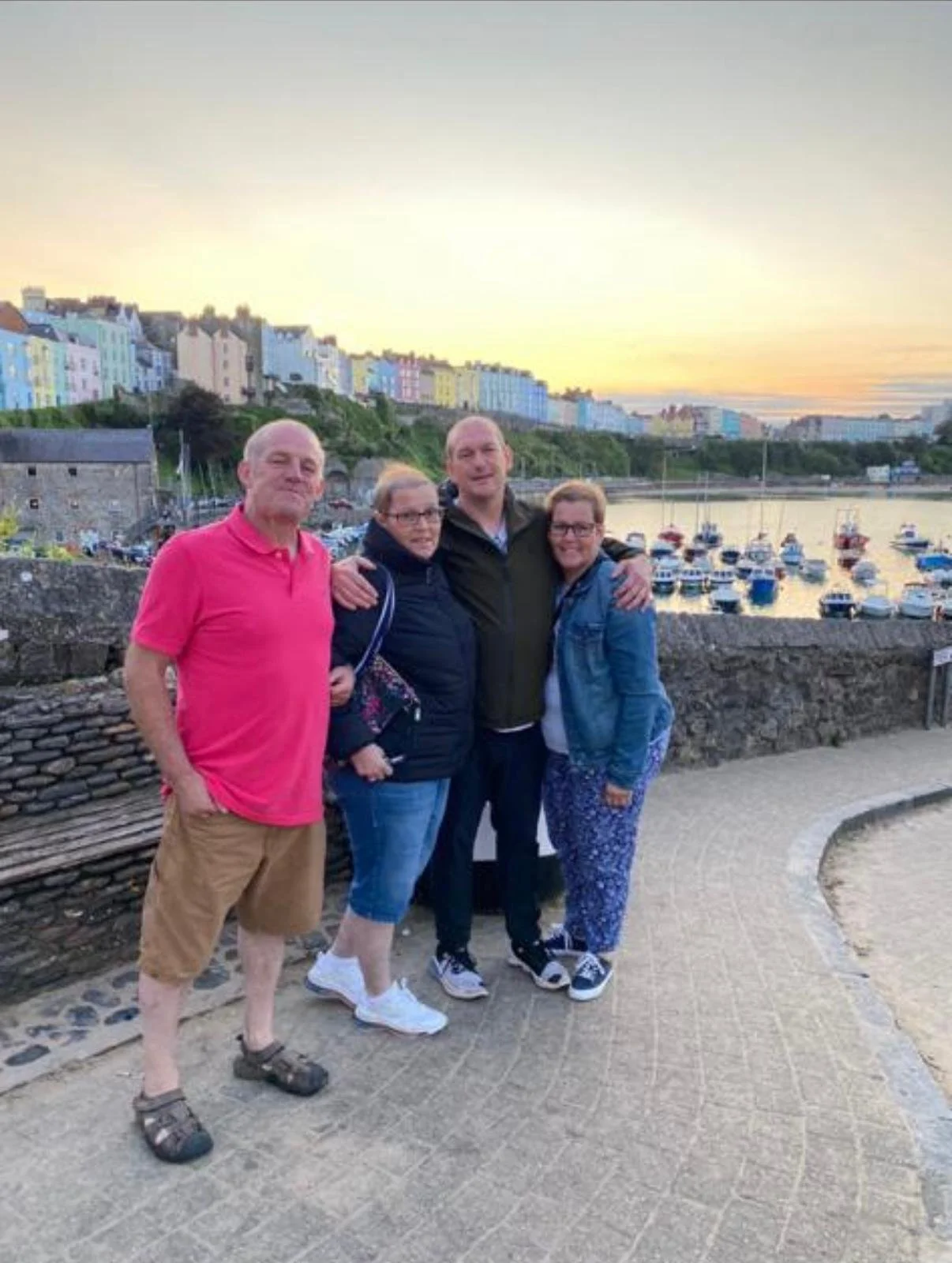
Joanne Peake grew up in Cwmbran, South Wales, in the kind of close-knit family that most people only read about. One of her two brothers lives next door. Her identical twin sister lives across the road. Still inseparable, she and her twin Rachael receive identical birthday presents from their family every year.
The Peake family has been part of the fabric of their community for generations. The family business – a funeral home – has been serving the people of Cwmbran for 108 years over five generations. Joanne works there full-time, and lives just two minutes from the door.
Joanne has spent her life around grief, the Peakes supporting families through loss and heartbreak. But nothing prepares you for hearing those conversations become your own. Yet still, when she was diagnosed with extensive-stage small cell lung cancer in February 2021 at just 50 years old, her response was pragmatic. “I am going to keep showing up.”
"From the time I was told I had extensive stage small cell lung cancer," she says, "I just thought – I've got to listen to my consultants but also I’ve got to get on with life. Because you can't just let it get to you."
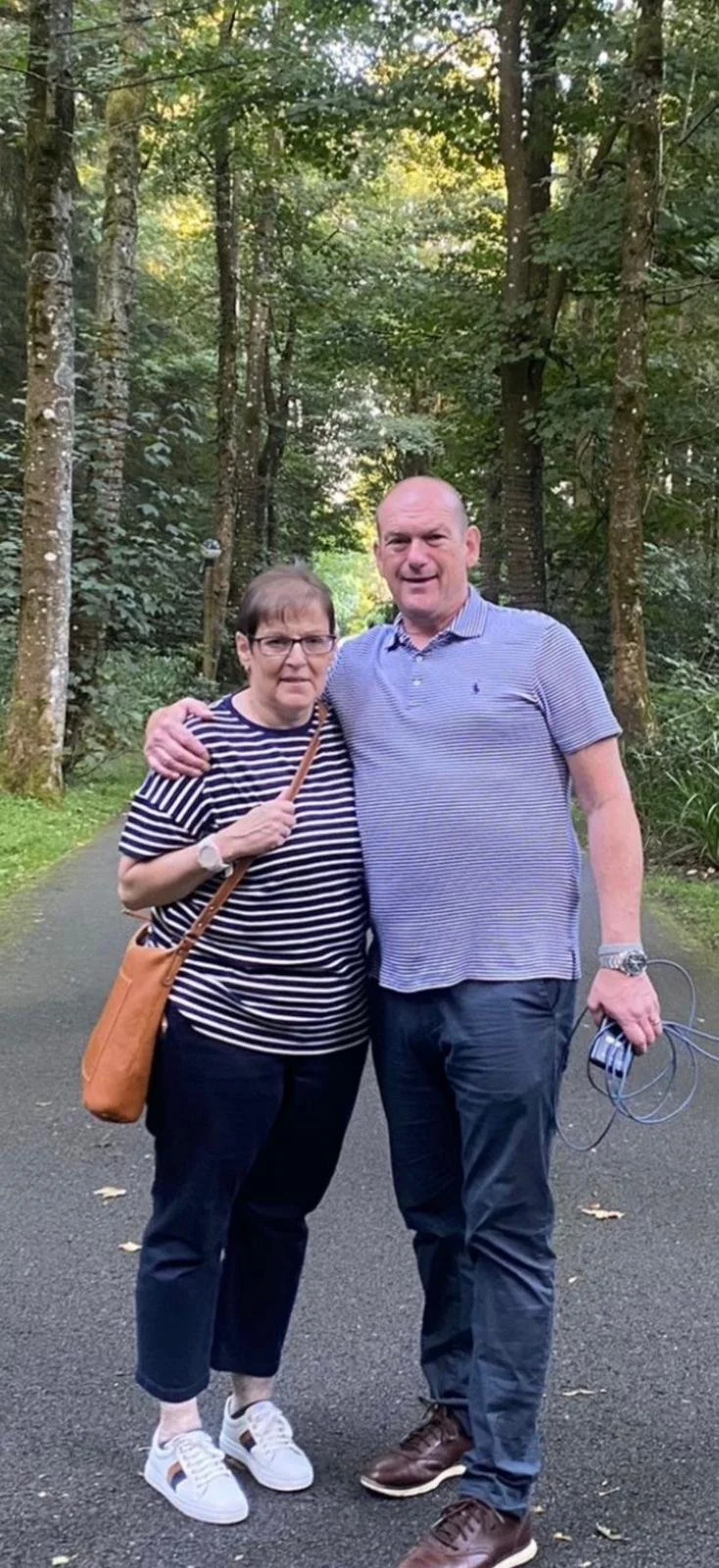
When she went back to receive her biopsy results, Joanne brought her sister-in-law Lisa. "I just knew I couldn't take it all in on my own." The consultant and the cancer nurse sat with them. Extensive stage small cell lung cancer. Too advanced to operate. Terminal. All they could do was treat it.
"That's when I fell apart," Joanne shares.
SNAPSHOT
SMALL CELL LUNG CANCER (SCLC)
SCLC is a fast-growing, aggressive lung cancer representing 10–15% of cases. While often linked to smoking, it can affect anyone. SCLC is staged differently from non-small cell lung cancer (NSCLC).• Limited-stage (LS): Found in only one lung and nearby lymph nodes. Treatment with chemo and radiation is given with curative intent (the goal is to rid the body of cancer).
• Extensive-stage (ES): Spread beyond the original lung. Treatment (chemo and immunotherapy) focuses on managing the disease and extending life.
Note for oncogene patients: Some NSCLCs can "transform" into SCLC to bypass targeted therapies. This requires a new biopsy and a shift in treatment strategy.
Something was very wrong
It all started in December 2020. Chest pains and headaches so severe that she didn't know what to do with herself. Her voice was fading and she started coughing up blood. Not one to make a fuss, Joanne carried on working, assuming it was laryngitis, or flu, or something that would pass. By February, she could barely speak and could not walk more than two or three steps without losing her breath.
It was her brother Kerrie who finally told her she needed to see a doctor. She went on 11 February. Her GP listened to her chest, hearing it rattling, he sent her straight to hospital. By the following morning, after a night of scans and tests – alone, because this was the height of the COVID pandemic – she had her answer. There was a mass on her left lung.
She was home by 6am. As she walked through her front door, the cancer nurses from the hospital were already on the phone. Within a fortnight, she had a biopsy. By the beginning of March, she had started treatment.
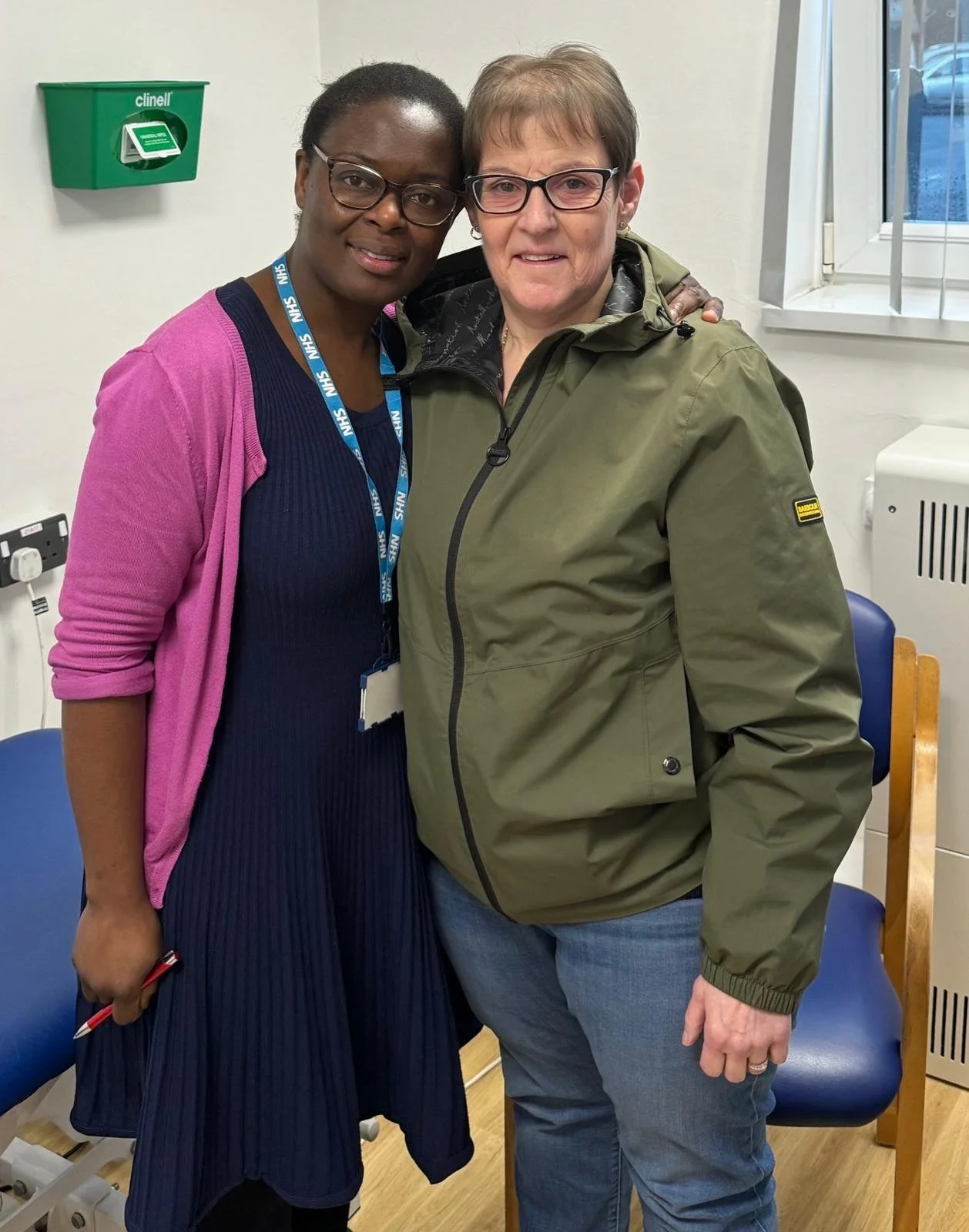
"While the diagnosis was an almighty shock, I couldn't fault the way everything was dealt with," she says. "My team was quick and very comforting, so supportive. When you are frightened, having a strong, confident team with you makes it possible to keep going.”
When treatment becomes another battle
KNOW YOUR BIOMARKER
KRAS G12V
A less common subtype of a common lung cancer mutation—with no approved subtype-specific targeted therapies yet.
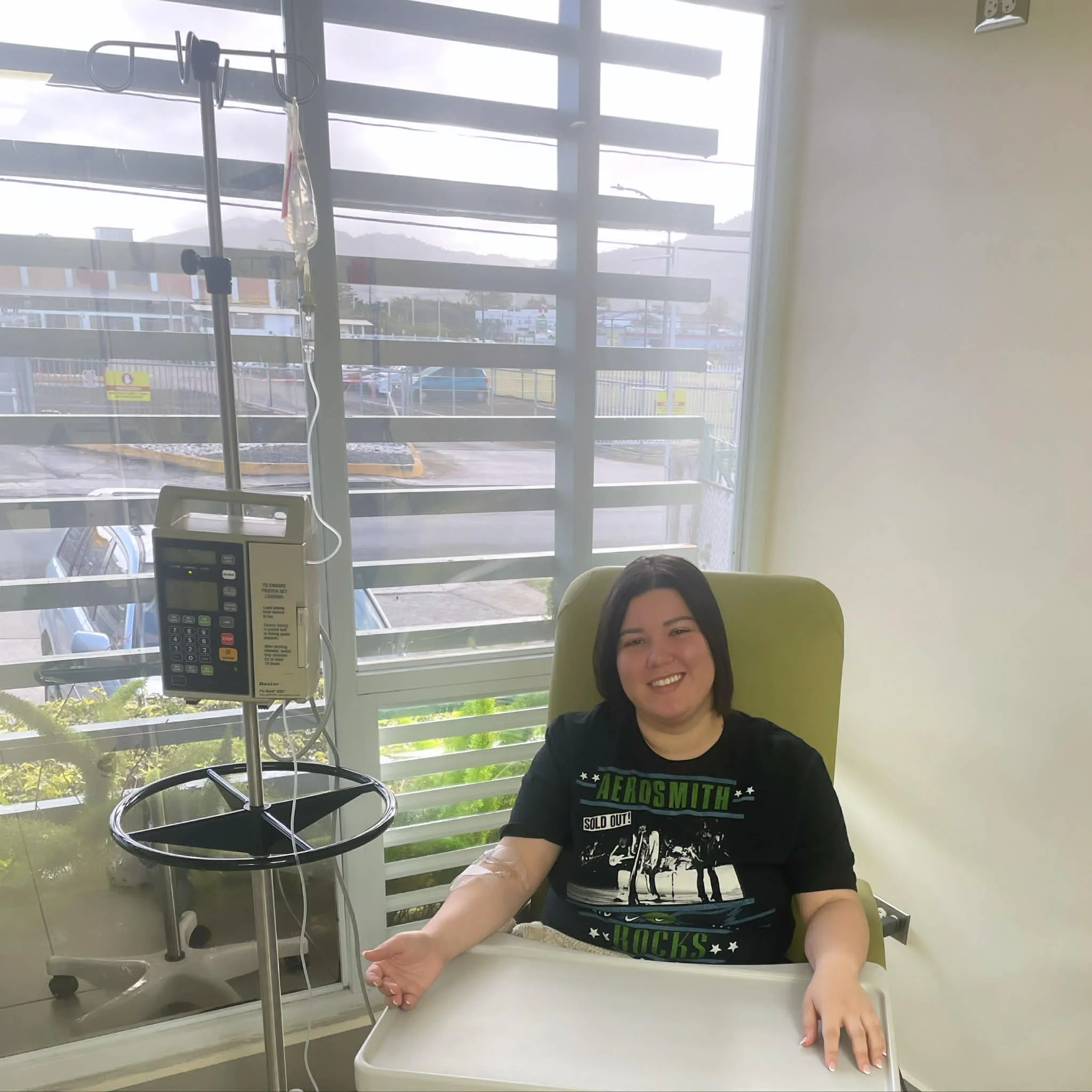
Three months later, Camila's oncologist called with more devastating news: the margins weren't clear. She needed another surgery. In December – just three months after her first thoracotomy (an open chest surgery) – surgeons opened the same incision again, this time removing her entire upper right lobe.
She spent Christmas Eve being discharged from the hospital, missing the celebrations that begin in November in Puerto Rico, watching everyone else enjoy life while stuck in a hospital bed.
"You still see the scar," Camila says quietly. "I felt butchered."
Two weeks after surgery, Camila started her treatment: chemotherapy and immunotherapy.
What came next was perhaps even more traumatic than the surgeries: her oncologist was withholding information, dismissed Camila's concerns and her first treatment failed.
Camila, armed with her medical background, pored over research papers and database studies, teaching herself about KRAS G12V – the rare adenocarcinoma mutation she carries. Her oncologist never explained it to her. In fact, Camila only discovered it by reading her own pathology reports.
"If I didn't know how to read the reports, I don't know what I would have done," she says. "My oncologist wasn’t straightforward about the treatments she’d chosen. In fact, she didn’t seem to be interested in helping me understand anything."
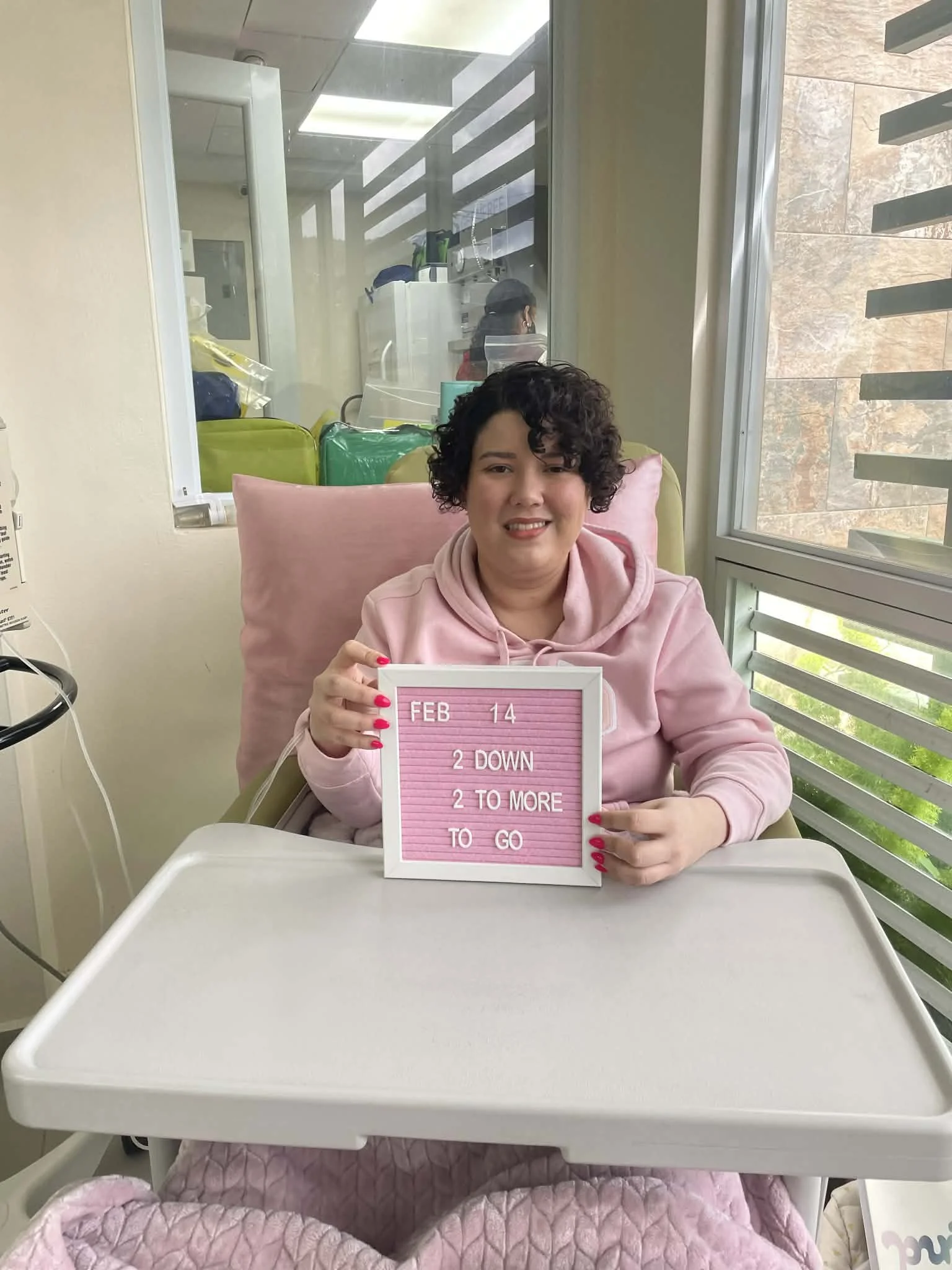
Unfortunately, the immunotherapy didn't work. In January 2024, Camila started coughing up blood – again.
Finding her voice
When Camila went to her oncologist reporting blood, the doctor suggested it was coming from her nose – anatomically impossible, as an ENT specialist would later confirm. The oncologist resisted ordering tests. She questioned why Camila would even want a bronchoscopy.
"She was really disrespectful," Camila recalls. "All I could think is that I now have a history of lung cancer. You should be suspicious."
That day became a turning point. Camila contacted a pulmonologist who cleared his schedule to see her immediately. He conducted the bronchoscopy, and connected her with a new oncologist who actually listened.
"It was like night and day," Camila says of her new care team. "I’ve felt that I can now focus on being a patient. I don't have to question every single decision."
The scans found progression – new tumours in her pleural lining and lymph nodes. What followed was harsher treatment. Radiation. Then aggressive chemotherapy (carboplatin and pemetrexed) combined with bevacizumab (Avastin).
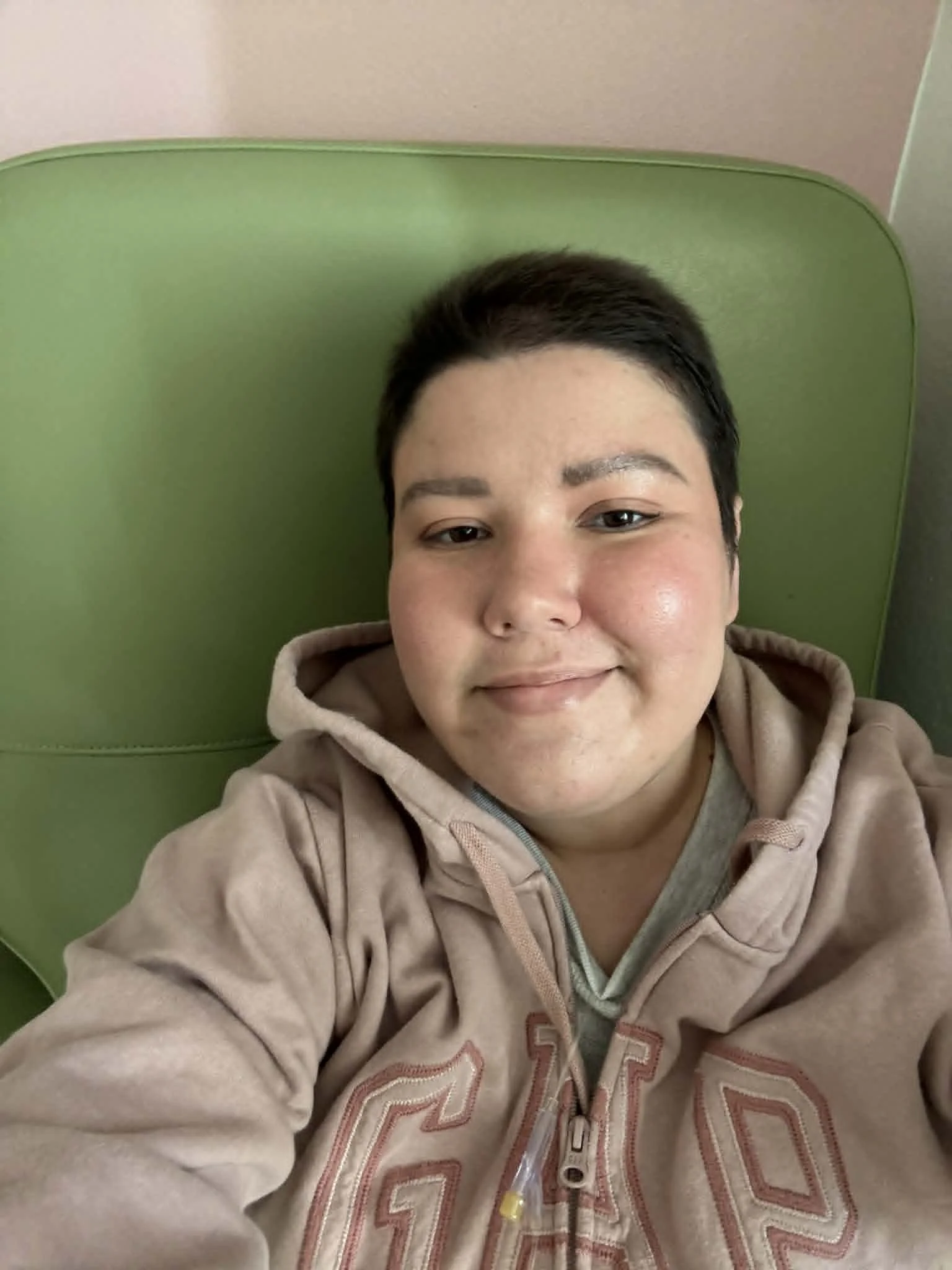
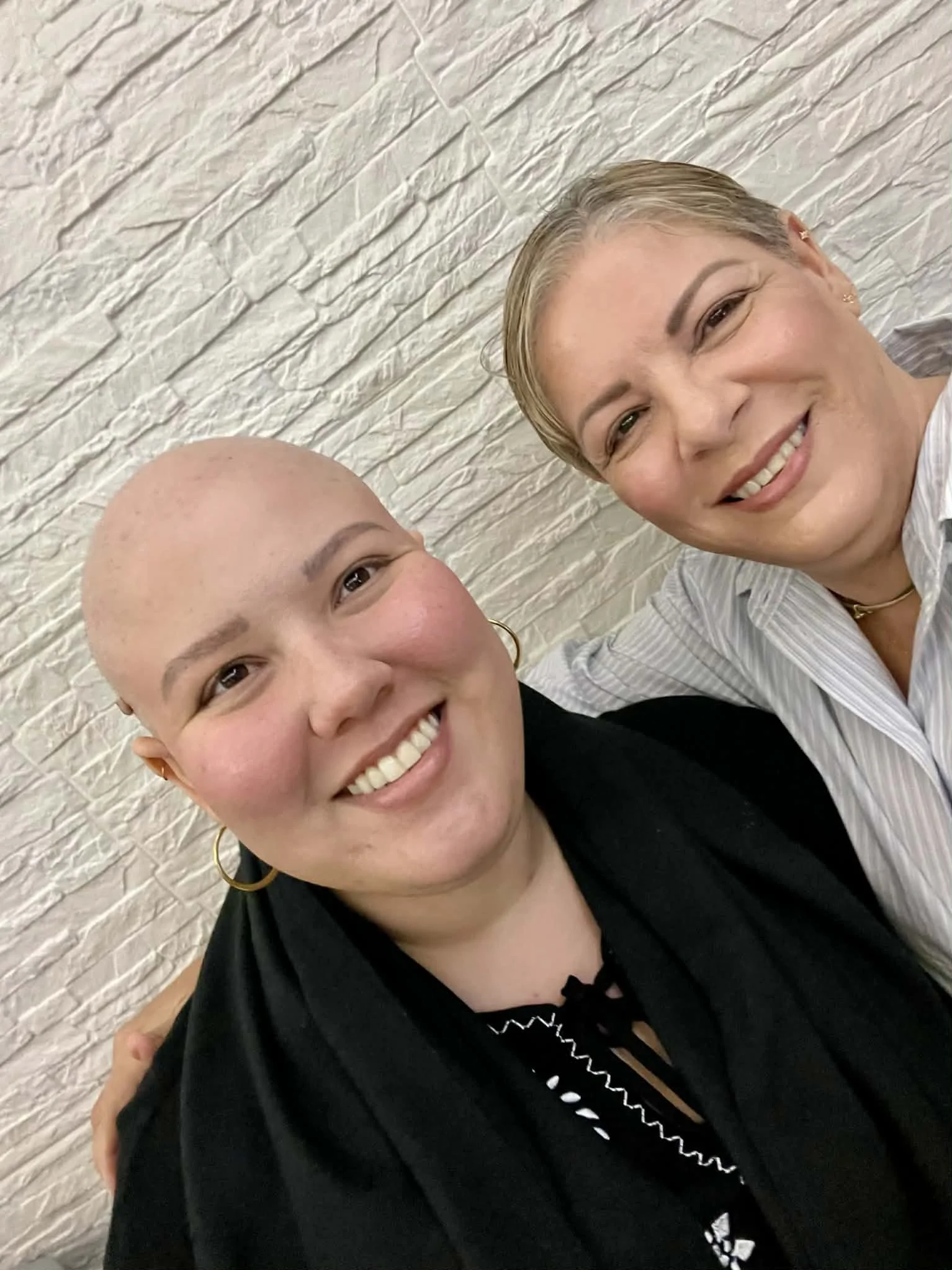
This time, Camila lost everything: her hair, her eyebrows, her eyelashes. She gained weight. She bled constantly from her nose. Then she began bleeding vaginally, a rare side effect that landed her back in doctors’ offices, searching for yet another fix.
Through it all, she kept fighting.
System not equipped for young people with cancer
In the rush to save her life, no one had paused to consider the life she still wanted.
No one mentioned fertility before treatment began. No one had offered preservation options. “I always wanted to be a mom,” she said. “Now I don’t know if that’s possible.”
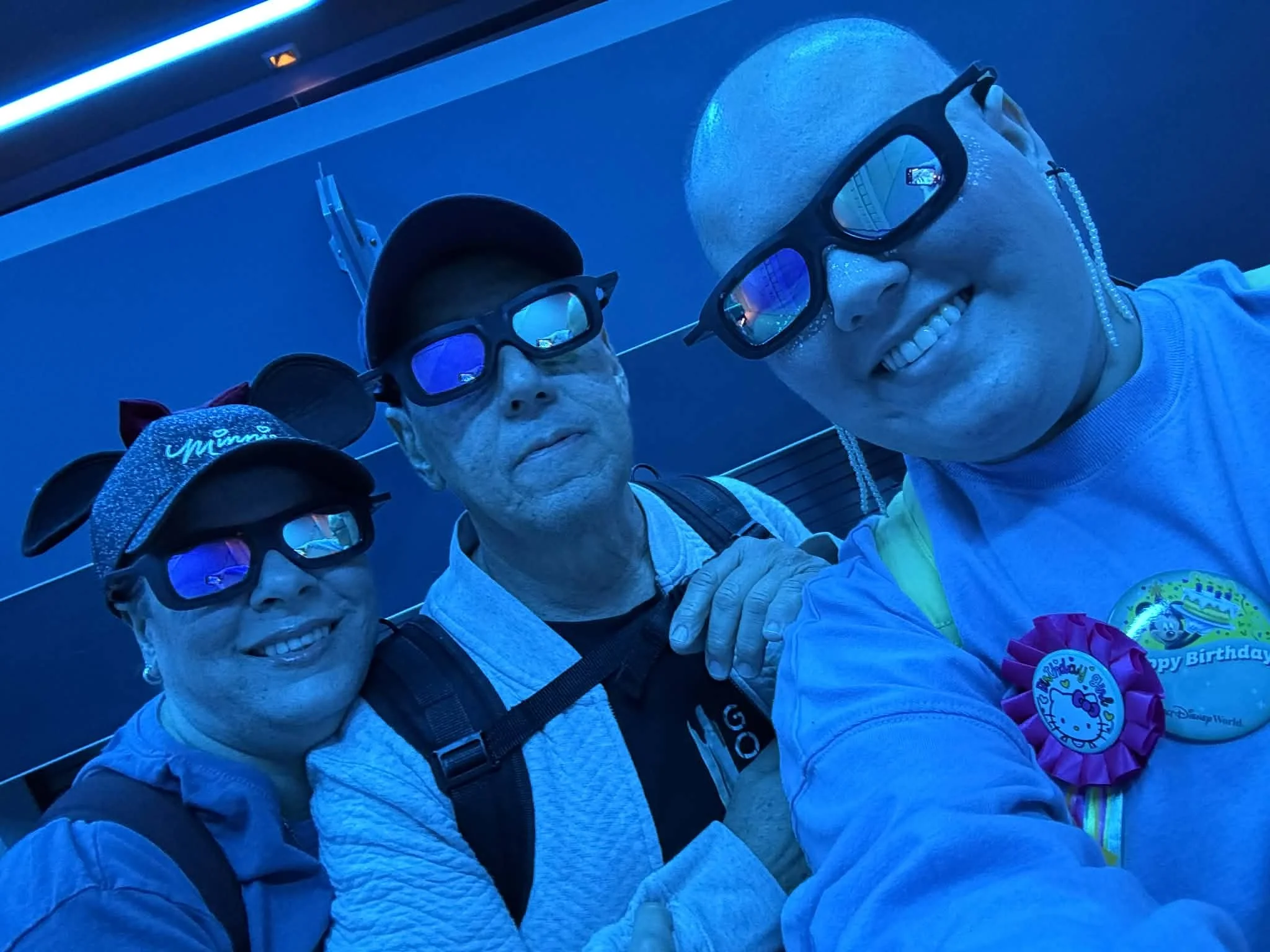
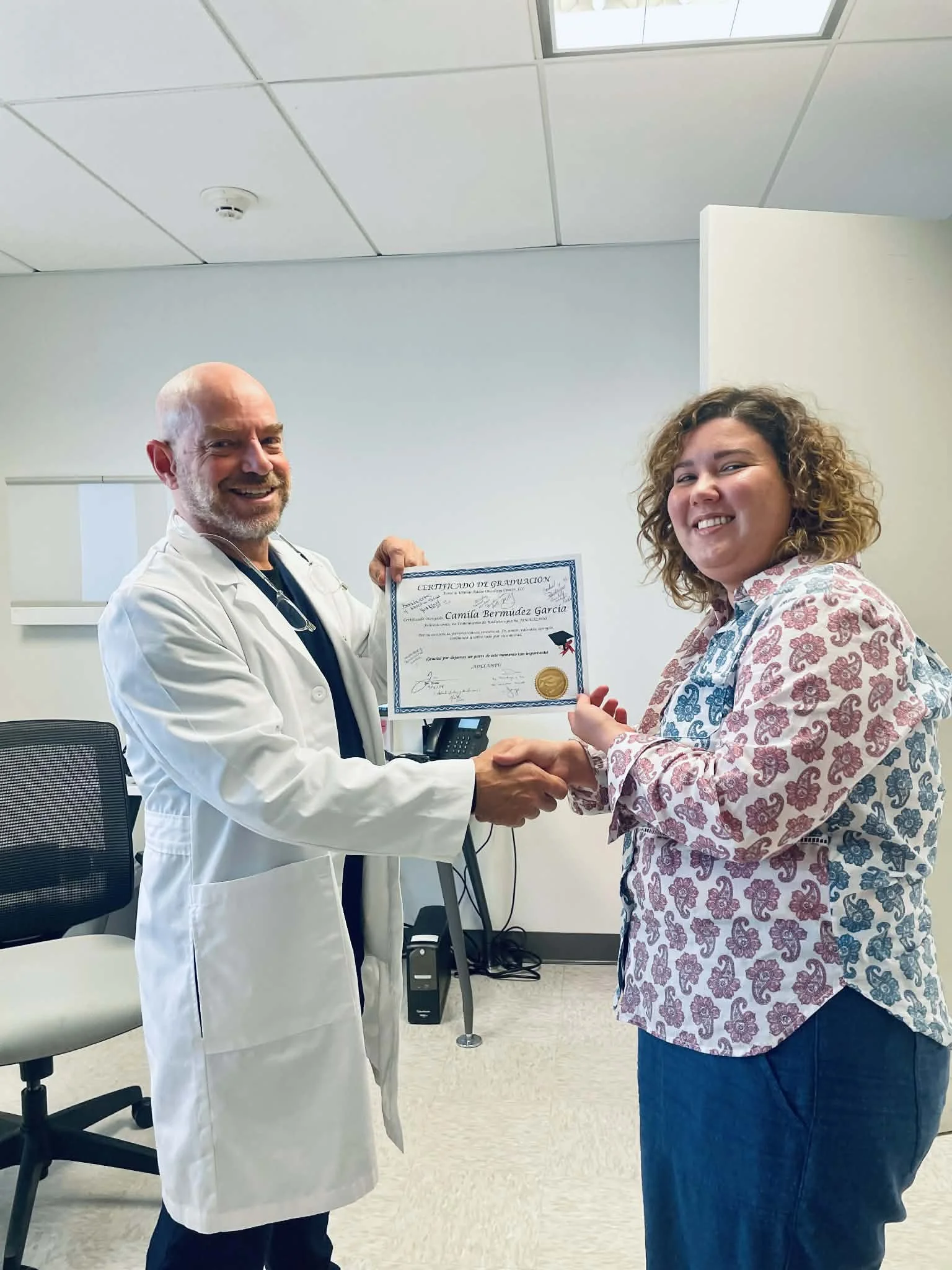
Today, Camila is 28. She is the youngest patient in her oncology clinic. The nurses call her “la nena” — the little girl. She has finished her latest round of treatment and is being monitored closely. She is alive. She is studying again. She is still planning a future, even if its shape has changed.
She tells her story openly, not because it is easy, but because she knows how silence nearly cost her everything. “If someone listens to what I’ve been through,” she said, “maybe they’ll fight harder. Maybe they won’t be dismissed.”
Living in the grey
Today, at 28, Camila lives what she calls "in between the shades of grey." She’s currently has no evidence of disease. The hope is to stay this way for as long as possible.
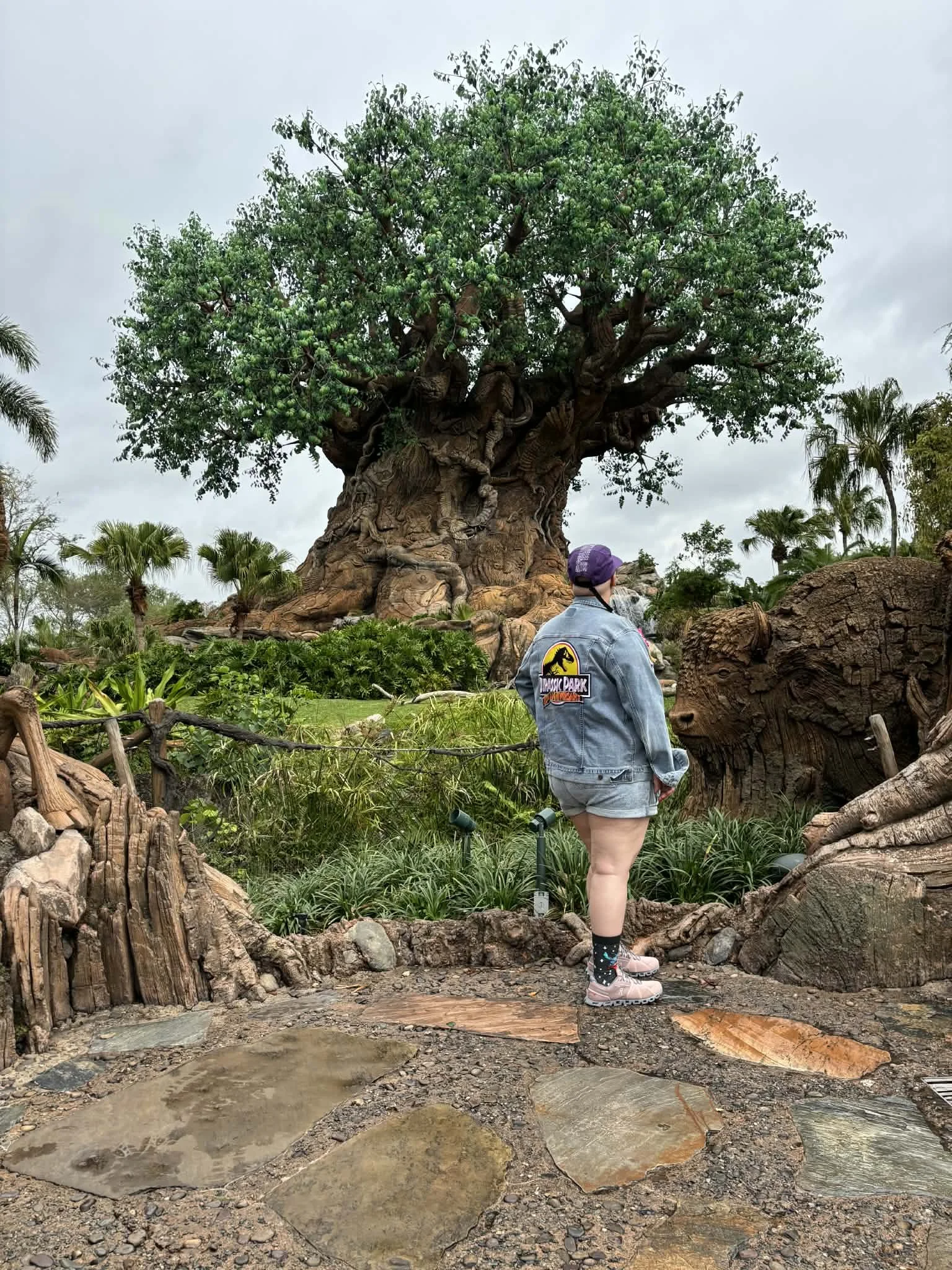
She took the MCAT during chemotherapy and scored well. She's applying to medical school again. She reads voraciously, maintains her friendships, and refuses to let cancer steal her future, even as she waits for biopsy results that will determine her next treatment.
"I want treat this like a chronic illness," she explains. "You manage it. You take your medications. You continue."
One of the biggest challenges hasn't been the cancer itself, but the ableism and discrimination she faces from institutions that can't understand how someone can be both a cancer patient and a thriving young woman with ambitions.
"People expect cancer patients are just in bed all day," she says. "But I still have my life. I still want to keep living because death is guaranteed for everybody."
Her advice to other patients is fierce and hard-won: "Use your voice. Even if you don't have the medical degree, you know your body. You know what's going on. You have to speak up. And know that there is a solution. You have to keep pushing for yourself."
I had to be my own fiercest advocate. No one should have to do that alone.
The power of community
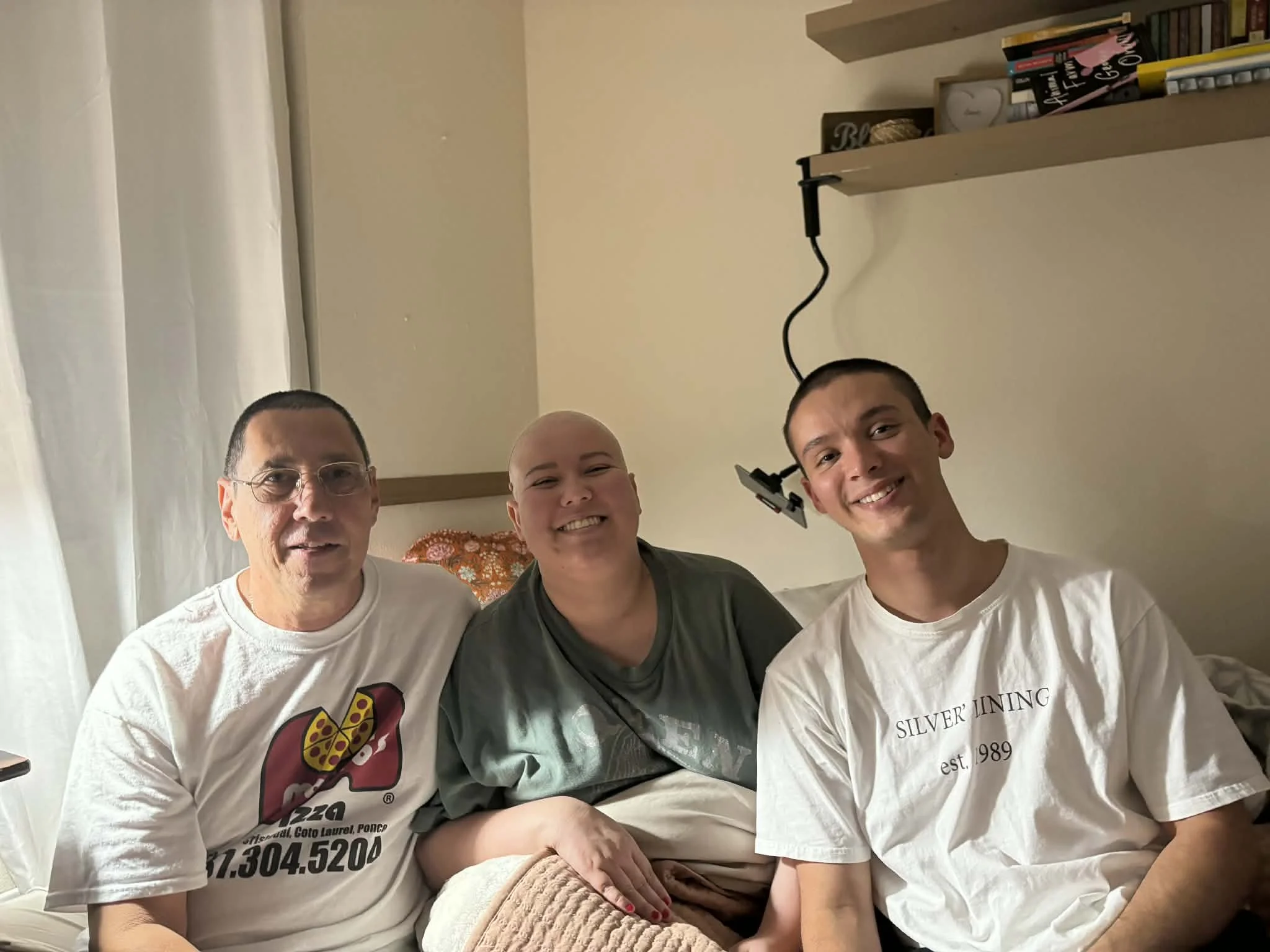
Camila credits her survival to her support system – her father, her "rock," who goes to every appointment; her mother; her brother studying pharmacy; cousins who are doctors; friends who send her research articles. Not every cancer patient has this support, and Camila knows it.
Camila is also finding her people – the other young adults navigating life with cancer, the ones who understand dark humour and who get it when no one else can.
And she's determined to be visible, to share her story, so that other young people facing the impossible might see themselves in her and know they're not alone.
Camila wanted to become a doctor to help people. Cancer interrupted that plan, but it did not erase it. She has already learned lessons medicine still struggles to teach: that patients are not statistics, that young does not mean immune, that listening can save lives.
“I had to be my own fiercest advocate,” she said. “No one should have to do that alone.”
May 2026