Patient stories.
Get real stories of people living with lung cancer.
Meet Jenny.
Jenny was told she had six months to live. Six years later, she's living an active life with stage 4 HER2 lung cancer.
The shadow on my X-ray wasn't scarring from tuberculosis 20 years ago.

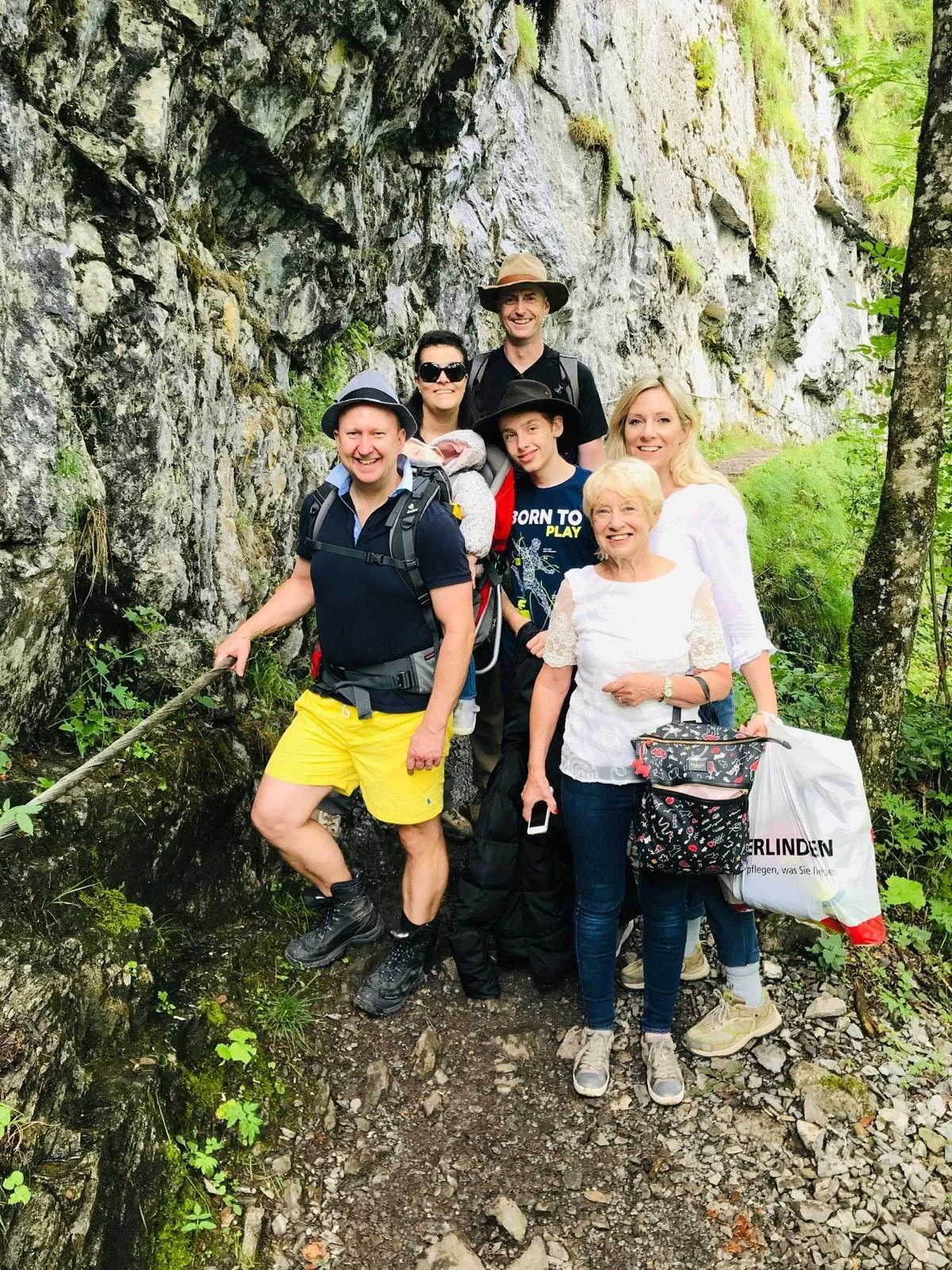
Jenny, a mother of three from East Sussex, UK, had run her own curtain-making business from home for 20 years and walked her dog five miles a day, rain or shine. She had started her business when she was 50 and often worked well over 40 hours a week. In late 2019, at 70, she started feeling tired in a way that didn't add up.
Then came a dull ache in her back. A bone density scan turned up unremarkable, age-related osteoporosis. But while she was at her GP's office to discuss it, she mentioned, almost as an aside, that her lungs had been feeling strange.
Her GP listened to her chest anyway and sent her straight to the hospital for an X-ray. It showed a mass. Jenny had survived tuberculosis nearly 20 years earlier, and the doctor who read the film — the same one who had treated her TB — decided the shadow was old scarring. Case closed. But Jenny's GP wasn't satisfied, and pushed for a CT scan.
Weeks later, in February 2020, Jenny walked into a hospital appointment expecting to hear that her old scarring was, as ever, harmless. Instead, an oncologist she had never met told her she had stage 4 lung cancer — a tumour in her right lung that had already spread through both lungs and into the lymph nodes in her chest — and roughly six months left to live.
“Go home and live your best quality of life,” the oncologist said.
No treatment, no referral, no hope
There was no softening of the news, nor was there a plan. Jenny also hadn't received any information on what type of lung cancer she had. The oncologist's advice was to go home, not bother with treatment, and make the most of the limited time.
Jenny's husband asked whether they could be referred to a specialist cancer centre — the Royal Marsden, or the unit in Brighton. They were told no. Neither of them knew, at the time, that Jenny's own GP could have made that referral instead. It was a right she wouldn't learn about for years, almost by accident, from a nurse at the Marsden. So, the couple paid privately for a consultation with a senior lung oncologist at the Marsden. The Marsden couldn't formally take Jenny on — she lived outside its catchment area — but the specialist offered something that would end up saving her life: a liquid biopsy, also known as a circulating tumour DNA (ctDNA) test — a blood test that looks for tiny fragments of DNA shed by cancer cells to find the specific mutation driving a cancer.
Getting that test approved took months. Jenny's consultant needed to sign off on the referral and, for weeks, simply didn't — despite letters, phone calls, and a hand-
delivered note to the hospital. When she finally called back, the oncologist told Jenny she'd never heard of a ctDNA test. It also turned out she had never sent Jenny's original biopsy off for full analysis — an oversight that delayed any treatment decision by two months, at a time when Jenny had been told she might have only six months to live.
When results eventually came back, the local hospital's five-mutation panel had found a ROS1 alteration — but in only 10% of the tumour. The Marsden specialist flagged immediately that the targeted ROS1 drug Jenny had already been started on almost certainly wouldn't work. That ROS1-targeted therapy typically needs the mutation present in at least half the tumour to have an effect. It didn't work. The cancer kept spreading. Jenny was switched to chemotherapy — carboplatin paired with pemetrexed — which held the disease stable for a time.

The hidden mutation, and a drug that worked
The blood biopsy surfaced what the local biomarker panel had missed entirely: a HER2 mutation, easy to overlook without comprehensive genomic testing. It opened the door to a Marsden trial of trastuzumab deruxtecan, an infused HER2-targeted therapy, combined with the immunotherapy pembrolizumab. The response was dramatic — her tumours and lymph nodes visibly shrank.
After about a year, though, the combination triggered severe kidney inflammation needing hospitalisation and high-dose steroids; she continued on trastuzumab deruxtecan alone for a further month, but signs of heart failure on a follow-up scan then brought that to an end too, and Jenny came off the trial. The drug went on to be approved for HER2-positive breast cancer, where HER2 abnormalities are far more common. For people with HER2-mutant lung cancer like Jenny, it remains unavailable through the NHS.
It was disappointing to have come off the HER2 treatment, but Jenny adds, “If I'd stayed at my local hospital, I don't think I'd have survived much longer than a year.”
KNOW YOUR BIOMARKERS
HER2
HER2 (also called ERBB2) is a gene that helps control cell growth. It is a well-known treatment target in other cancers, including breast cancer, where HER2 therapies have been used for many years.In about 1–5% of lung cancers, changes in HER2 — usually mutations — can drive tumour growth and may be matched to specific targeted treatments. These changes are not inherited.
I was told make the most of my limited time. My biopsy had never even been sent off for testing.

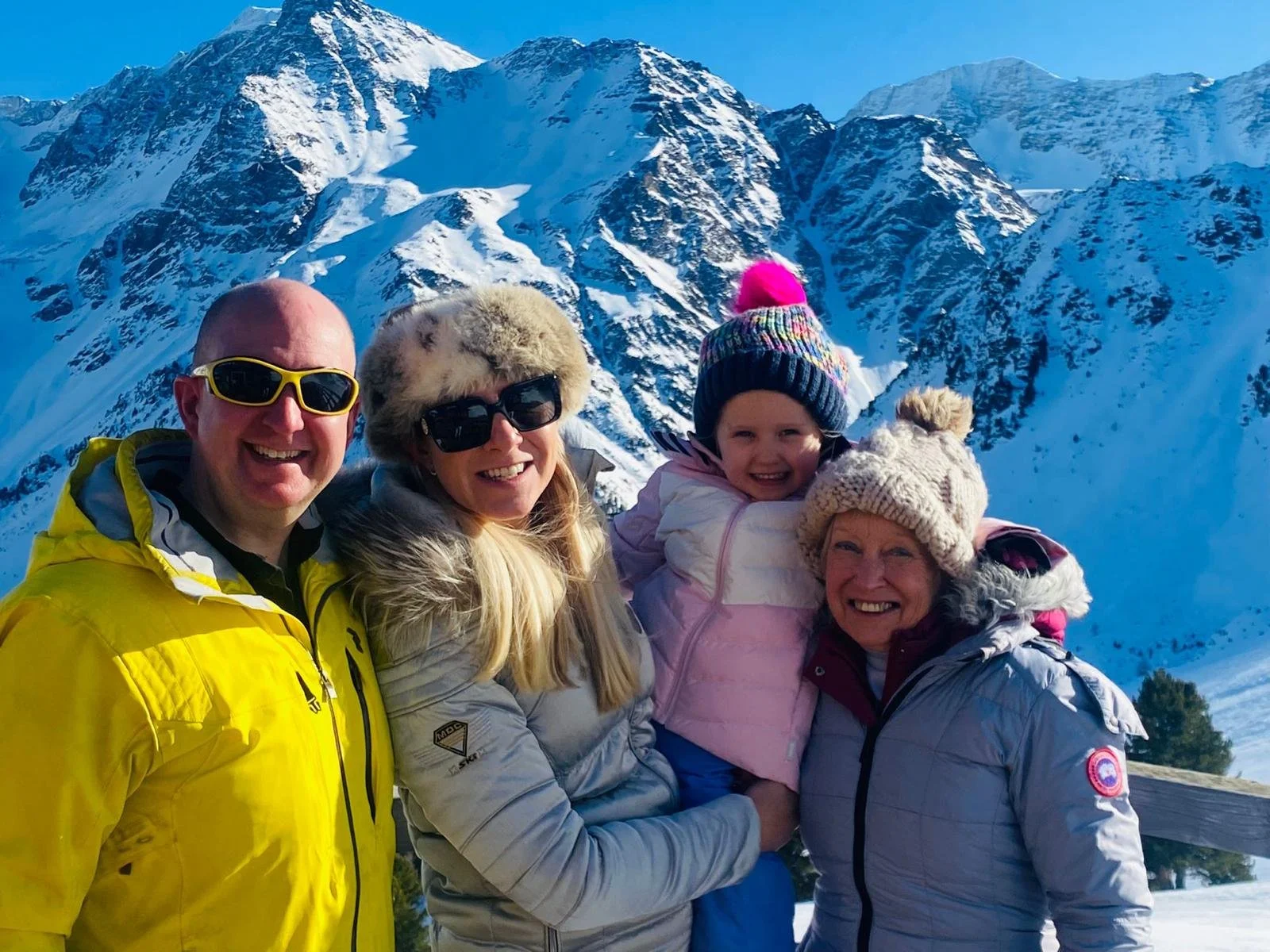
Jenny with her daughterA dosing error that could have killed her
While still under the care of her local hospital, Jenny was diagnosed with a blood clot and prescribed blood-thinning injections — twice-daily, self-administered shots into her stomach. Unfortunately, she was wrongly prescribed a dose sized for a man nearly three times her weight. She stayed on it for seven months, while three weeks is standard. Jenny began coughing up tablespoons of blood. Her local team called it a normal side effect of lung cancer.
It wasn't. A specialist at the Royal Brompton Hospital later told her the wrong dose had caused severe internal bleeding.
“If something had happened to you,” she was told, “it would have just been put down as dying from lung cancer. But what was happening to you was life-threatening.”
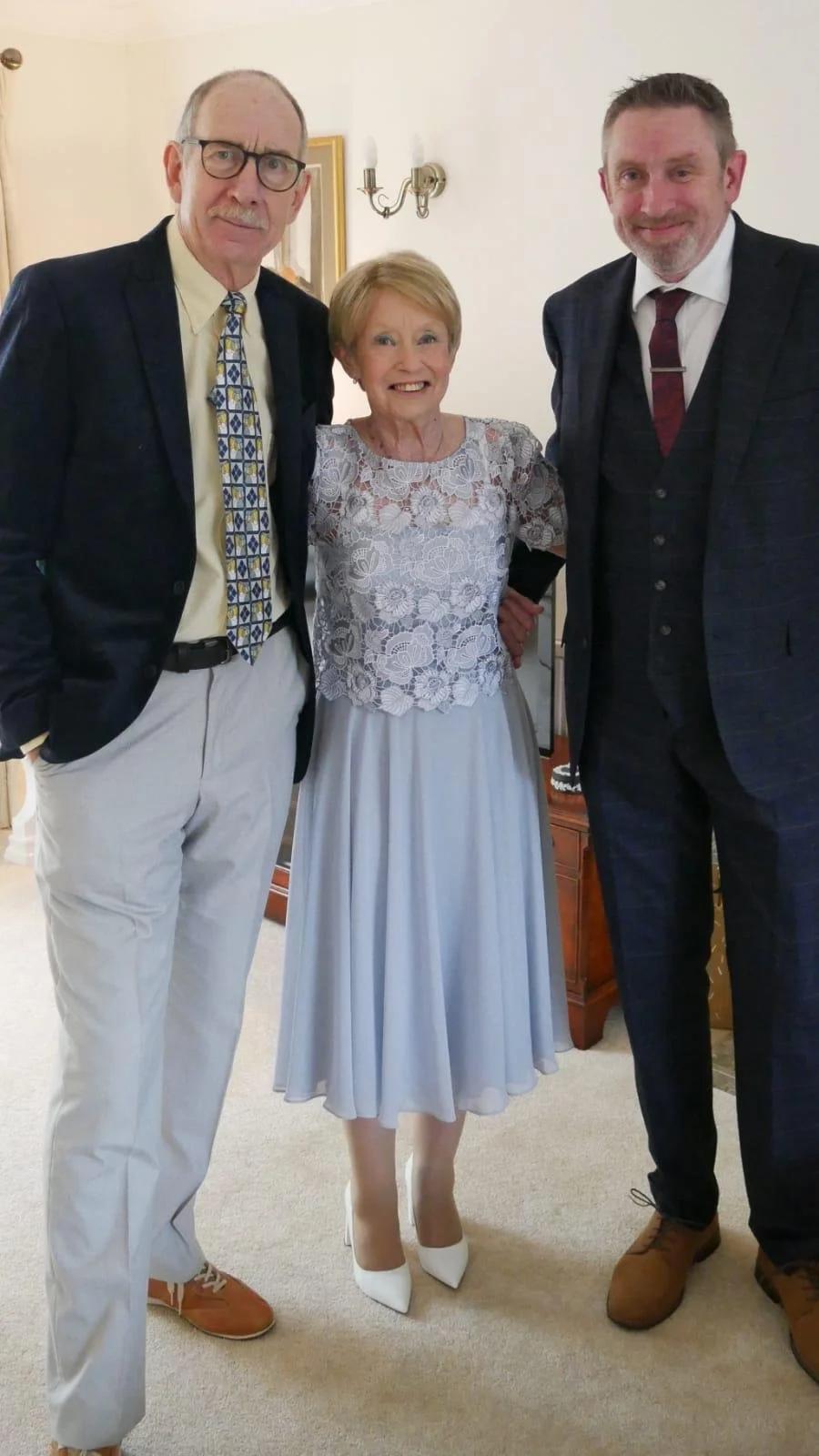
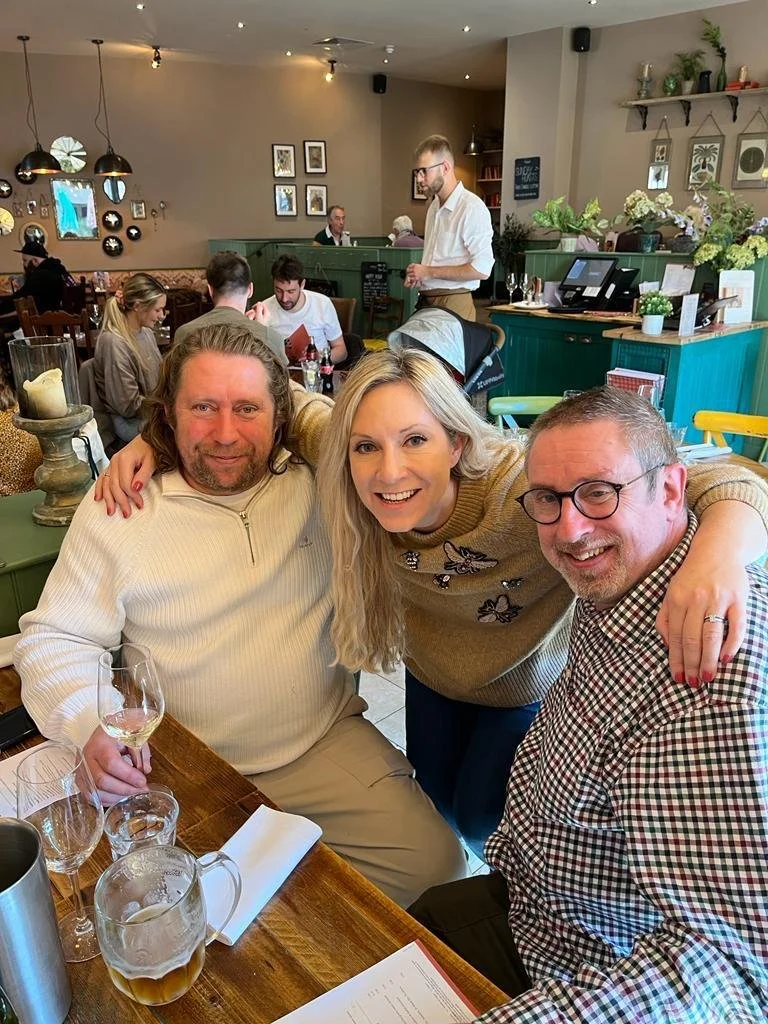
Jenny with her husband and son Ché - all fighting cancerThe year everything broke
As Jenny's own disease spread into her spine, hip and femur — later requiring a hip replacement and a metal rod from knee to hip — her eldest son, Ché, noticed his eyesight blurring at work. An eye test found a tumour: ocular melanoma. The Marsden — which Jenny had come to see as an extension of her own care — took him on immediately, but a trial drug couldn't hold the cancer back. Ché had spent the previous two years quietly fundraising for his mother's care, not yet knowing his own diagnosis was coming.
Ché died in March 2023, aged 51, on the second night of a family cruise meant as a gift for him and his wife, with Jenny and her husband aboard. The ship had raced through the night to reach the next port before his organs failed completely. Jenny couldn't be at his side; port border control had already closed for the night. Ché left behind a wife and four children and a devastated family.
Jenny's husband, meanwhile, has lived with chronic lymphocytic leukaemia for 16 years and was diagnosed with stage 3 melanoma 18 months ago. For a stretch, all three of them — Jenny, her husband and her son Ché — were living with cancer at once. “It's been hard,” Jenny says simply. “I find keeping busy helps, and doing something positive when everything around you is negative.”
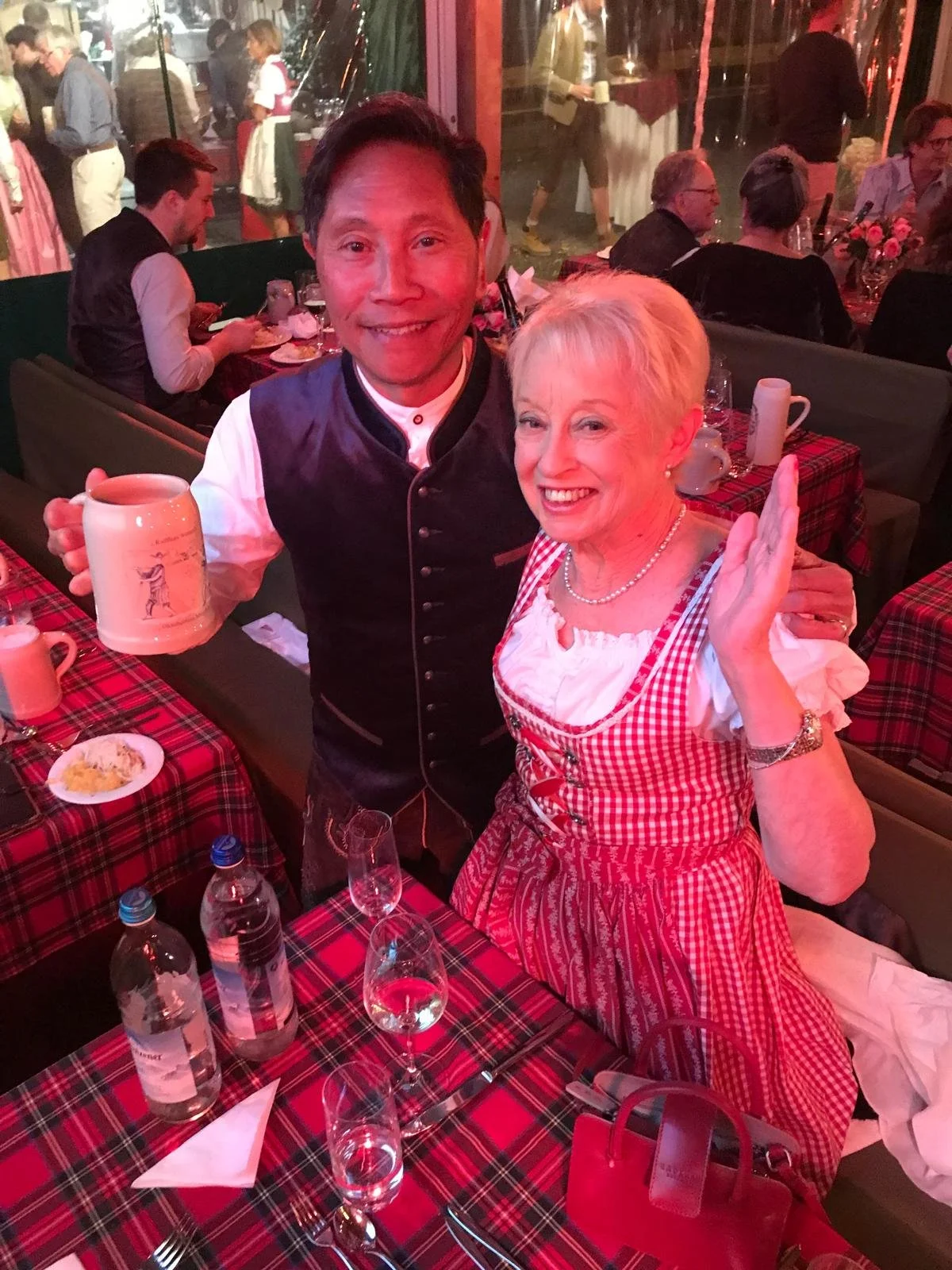
“Are you in an appealing mood?”
By 2023, Jenny had already been through several lines of treatment, including a course of carboplatin and vinorelbine chemotherapy that failed to hold the cancer back. A tablet trial at University College London Hospital stopped working after several months, when scans showed the cancer had grown by more than a quarter. A second IV drug at the Marsden caused such a severe reaction that her weight dropped below six stone, she lost her hair, and she couldn't walk unassisted across a room. The oncologist mentioned a promising new HER2-targeted therapy in early-phase clinical trials — zongertinib — but Jenny didn't qualify. That trial was restricted to people who hadn't yet received any other treatments.
The oncologist suggested trying for compassionate access through the drug's manufacturer. It was rejected, over concerns about her heart. Half-joking, Jenny asked him, “Are you in an appealing mood?” Her oncologist compiled the case for an appeal. It was approved.
Within three weeks of starting the drug, the lymph nodes under Jenny's arm — visibly
swollen to the size of grapes for months — had begun to shrink. She has now been on it for about two years, with no need to change course since. The cancer had reached her brain by then, too — a small metastasis found in early 2024 — but it was treated and driven back, and recent scans show no trace of it there.
A second opinion is not a favour a doctor grants you. It’s your right.
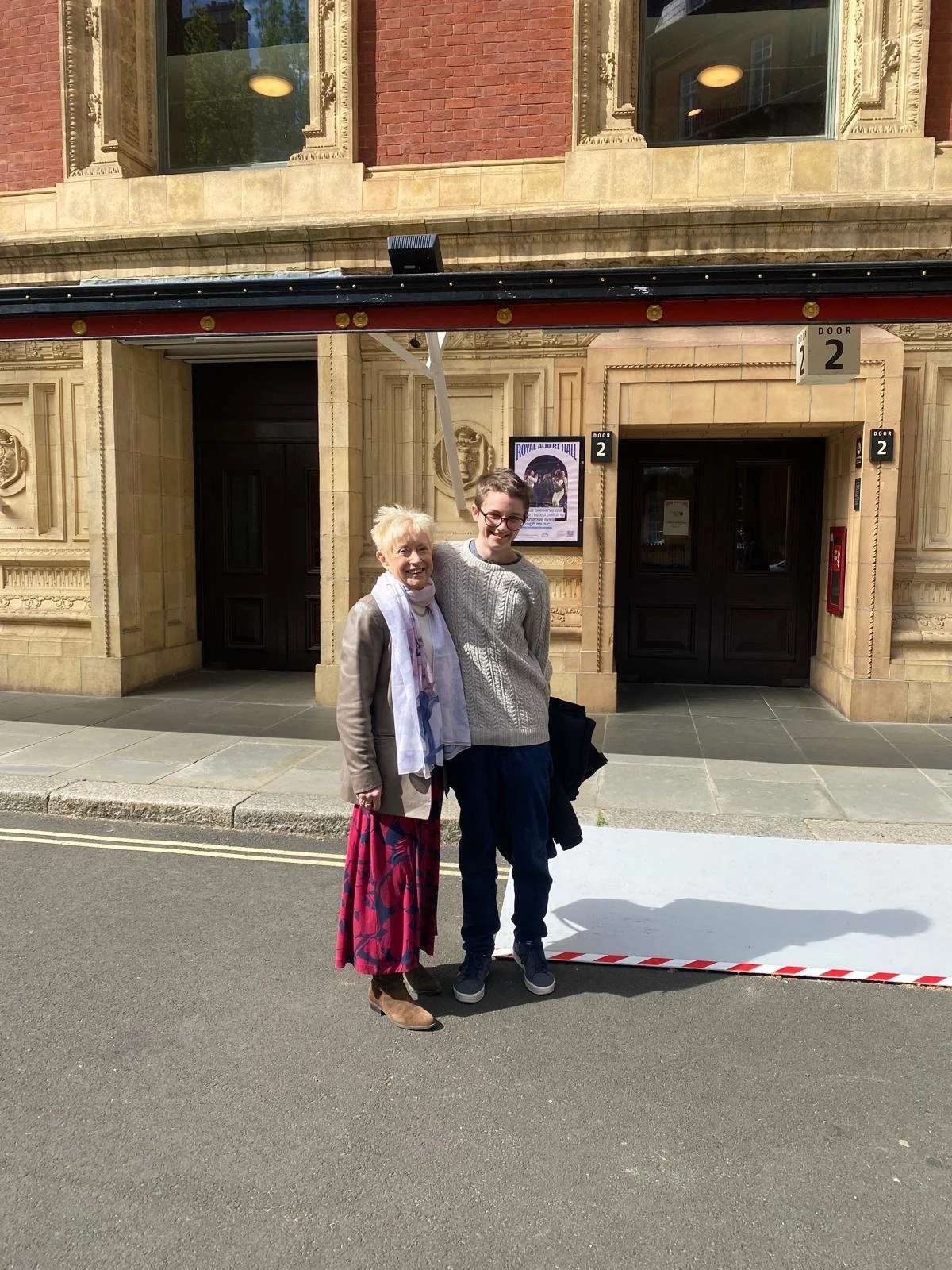
Jenny was given six months. She has had six years — and counting. What matters is what those years have held. Pinning down the HER2 mutation driving her cancer, the clinical trials, the compassionate-access tablet keeping her well today: each one bought her time, and she has spent it living.
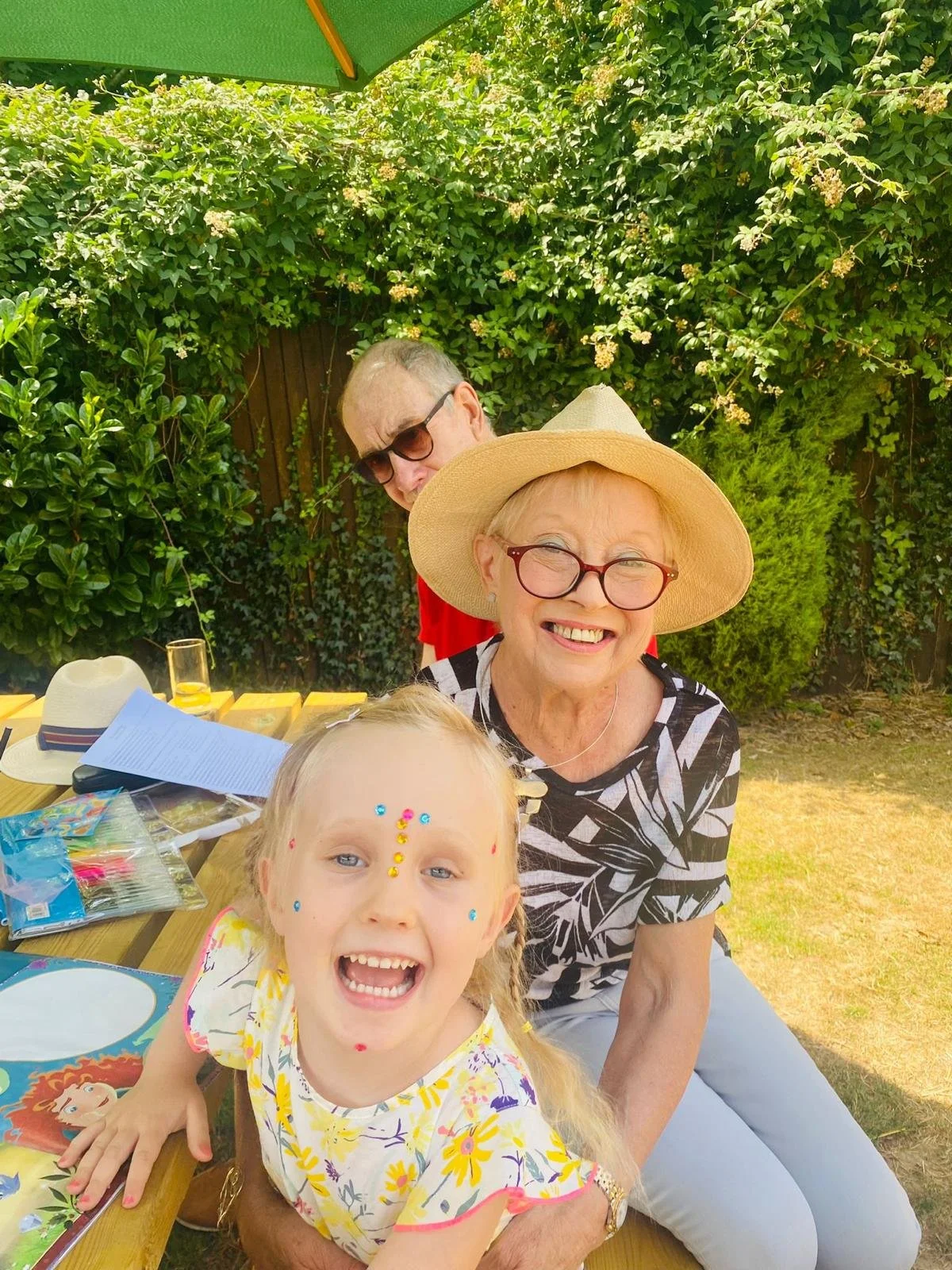
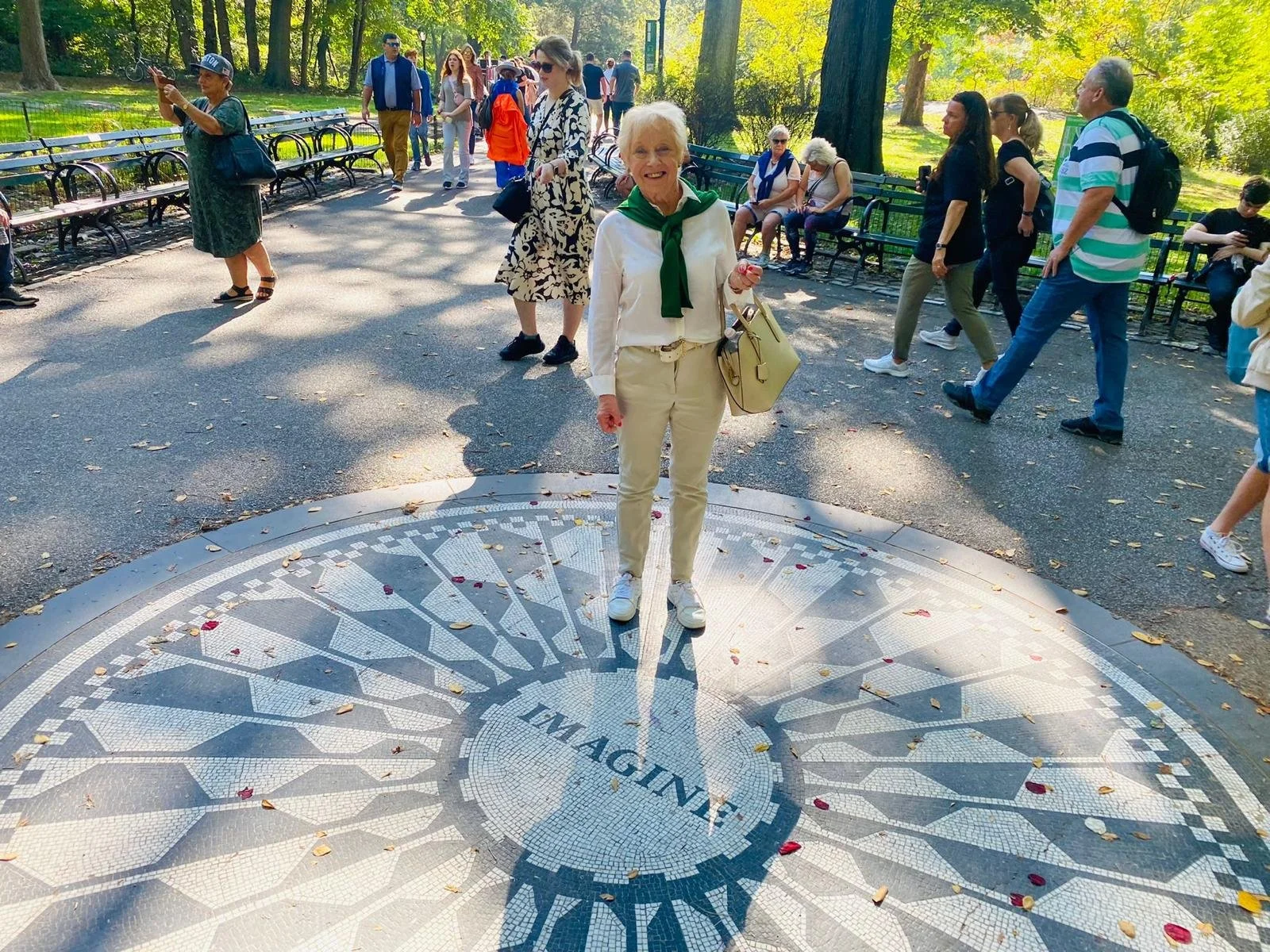
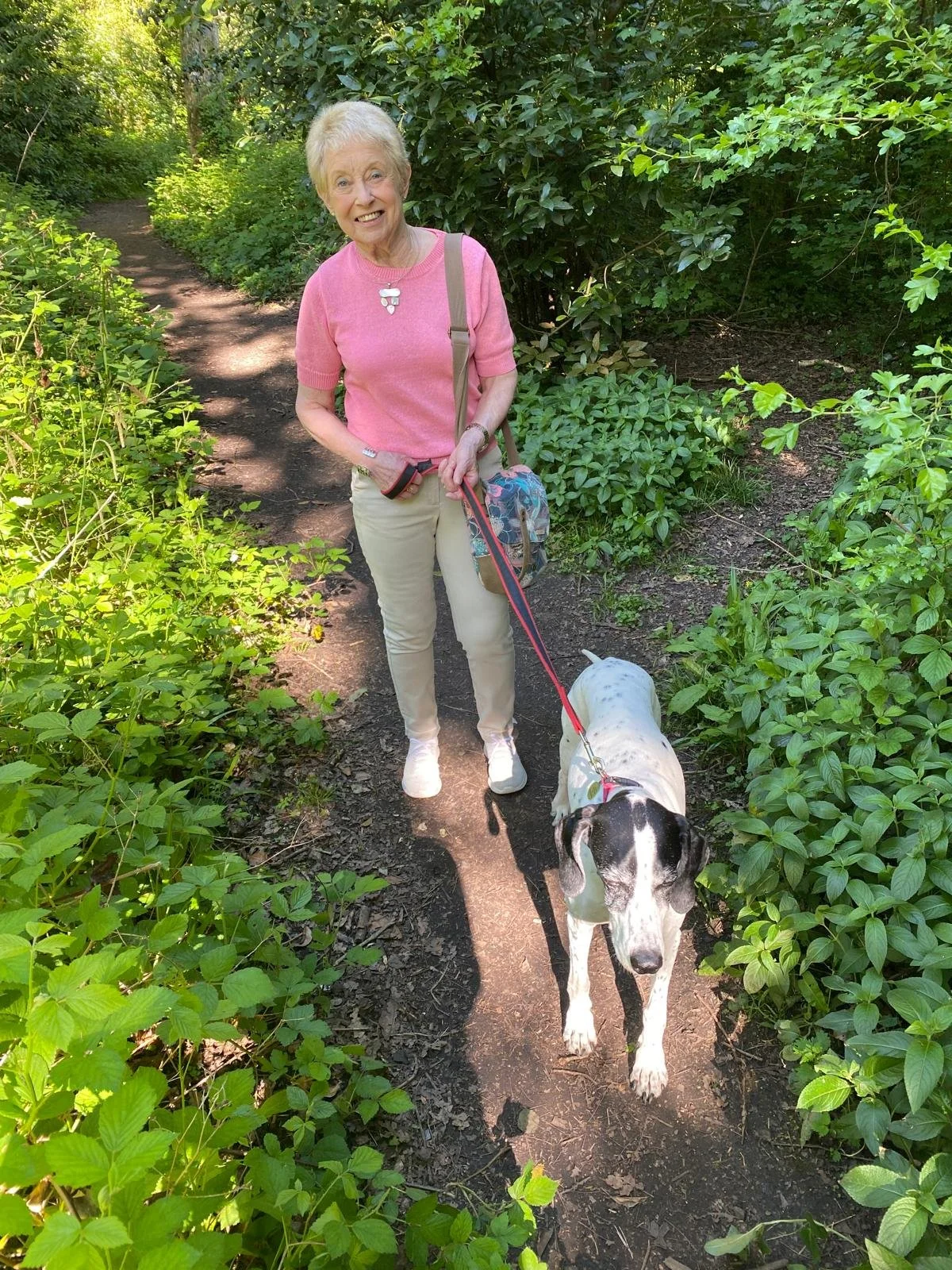
At 76, she is up by seven most mornings and walks her dog three miles a day. In these years she has flown back and forth to Switzerland to help raise her granddaughter, traced the family's roots on a trip to Jersey, and been a steady presence for Ché's four children after they lost their father — the birthdays, the ordinary mornings, the moments that going home to “make the most of the limited time,” as she was advised, would have erased.
None of it was inevitable. It came from a second opinion she was almost refused, from treatment matched to the exact mutation driving her cancer, and from seven lines of therapy over six years — another option found each time one ran out. “A second opinion is not a favour a doctor grants you,” she says. “It's your right — and if one route is blocked, find another.”
A second opinion changed everything.
July 2026